Fez is Morocco’s spiritual and cultural heart, a living medieval city where time feels suspended within the walls of its ancient medina. This Fez Morocco travel guide 2026 provides the definitive answer on how long to stay, practical strategies for navigating the labyrinth, and insider tips for experiencing the city’s depth. Designed for independent travelers who crave genuine connection over a checklist, this guide covers everything from the essential monuments and culinary experiences to choosing the right riad and planning day trips.
Quick Answer: For most travelers, spending 2 to 3 full days in Fez is the sweet spot—2 days for the essential highlights and 3 days for a more immersive experience that includes a day trip.
Key Takeaways
- Best time to visit: Spring (March to May) and autumn (September to November) offer the most comfortable weather for exploring the medina on foot.
- Core experience: The Fez medina (Fes el-Bali) is a UNESCO World Heritage site and a labyrinth; hiring a licensed guide for your first day is worth the cost.
- Budget planning: Fez is generally more affordable than Marrakech for accommodation and food, though prices are gradually rising with increased tourism.
- Getting around: The city is best explored on foot within the medina; taxis are necessary for the new city (Fes el-Jdid) and the Ville Nouvelle.
- Top mistake to avoid: Trying to see everything in one day. Plan for at least 2 to 3 full days to avoid burnout and truly appreciate the city’s atmosphere.
The Complete Answer: How Many Days Do You Need in Fez in 2026?
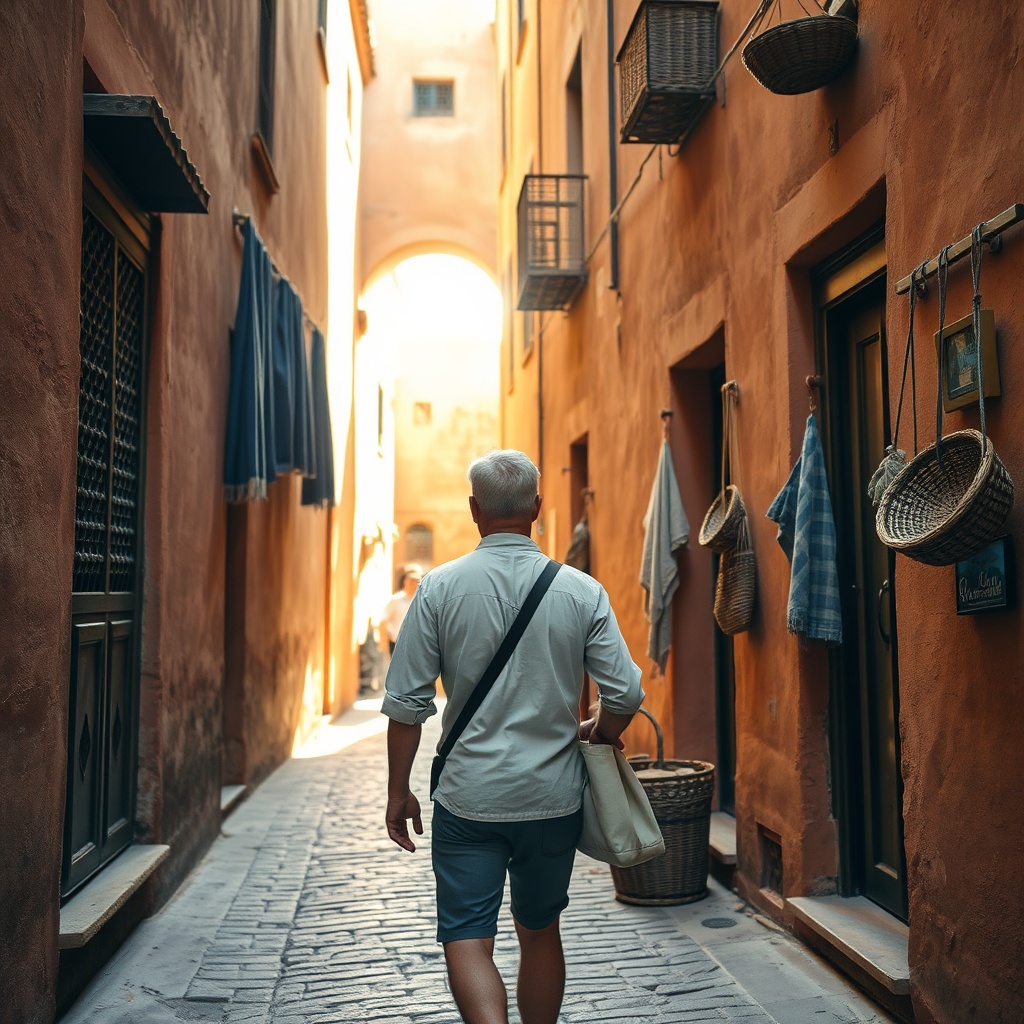
A photorealistic scene capturing the essence of walking through Fez’s labyrinthine old city, emphasizing authentic travel experiences and guided exploration.
The definitive recommendation is to plan for 2 full days as a minimum, 3 days for a slower, immersive experience, and 4 or more days if you want to include day trips to Meknes, Volubilis, or the Middle Atlas.
Why 2 days is the minimum: This timeframe allows you to cover the major monuments, including the Bou Inania Madrasa, the exterior of the Al-Qarawiyyin Mosque, and the Chouara Tanneries. It also leaves room for one sunset at a panoramic viewpoint like the Marinid Tombs.
Why 3 days is ideal: This is the recommended pace for most travelers. It allows for a guided medina walk, a visit to the potters’ quarter, a hands-on cooking class, and crucially, time to get lost in the alleyways without feeling stressed about your schedule.
Why 4+ days is for deep immersion: This extended stay is perfect for those who want to add day trips to the Roman ruins of Volubilis and the imperial city of Meknes. It also provides a slower pace to appreciate artisan workshops, sip mint tea at leisure, and observe the rhythms of daily life.
Day-by-day itinerary options
| Day | 2-Day Pace | 3-Day Pace | 4-Day Pace |
|---|---|---|---|
| 1 | Medina highlights (guided) | Medina highlights (guided) + potters’ quarter | Medina highlights (guided) + potters’ quarter + evening hammam |
| 2 | Bou Inania, tanneries, and Mellah | Bou Inania, tanneries, Mellah, and a cooking class | Bou Inania, tanneries, Mellah, cooking class, and a sunset viewpoint |
| 3 | Departure | Day trip to Meknes and Volubilis | Day trip to Meknes and Volubilis |
| 4 | Departure | Departure | Slow morning in the medina + departure |
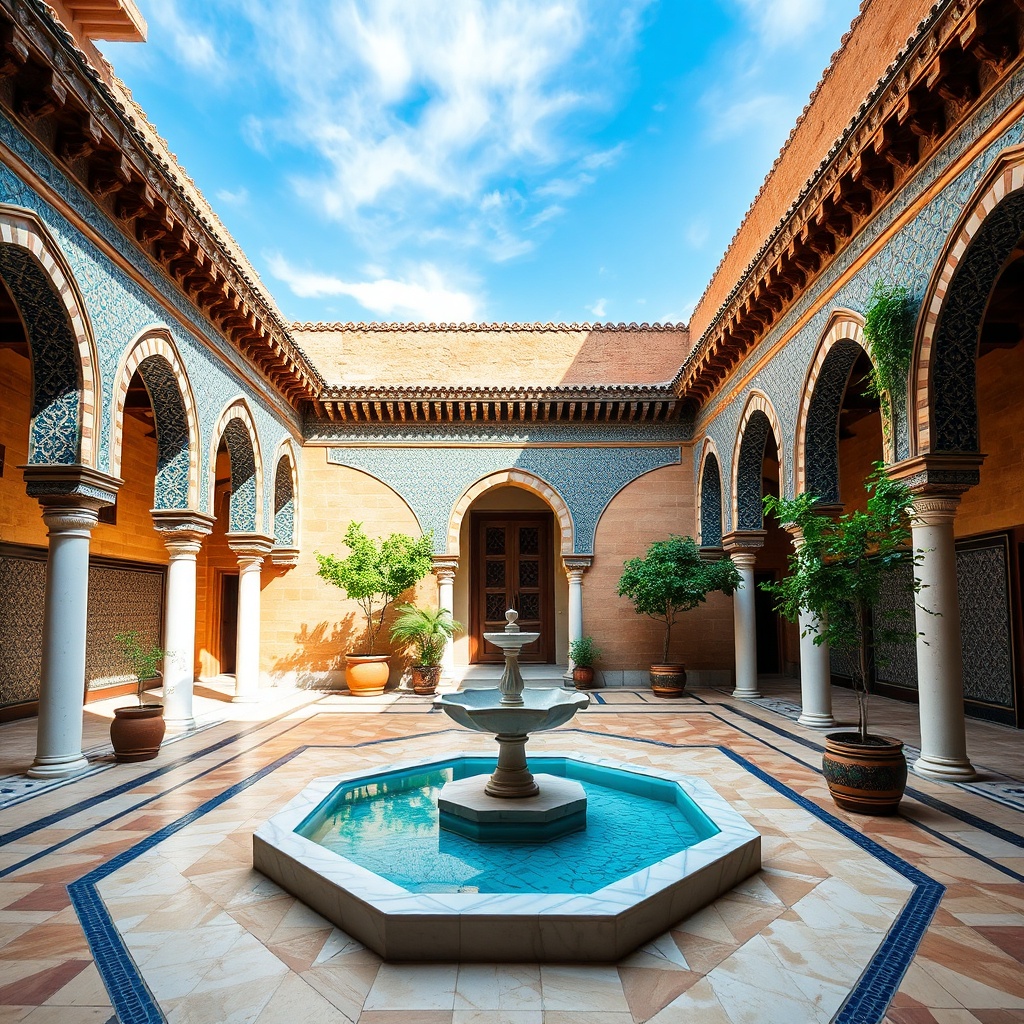
An atmospheric shot of a classic Moroccan courtyard that embodies the cultural depth and relaxed pace of visiting Fez.
Navigating the Fez Medina: A Practical Survival Guide for the First-Timer
The Fes el-Bali medina is a sprawling, car-free labyrinth of over 9,000 streets and alleyways. Getting lost is not just a possibility; it is an inevitable and essential part of the experience.
The gate system and landmarks: Learn the main gates and use them as your primary reference points. Bab Boujloud is the most famous entrance, known for its stunning blue gates. Bab Ftouh is another major gate in the south, while Bab Guissa is in the north. These gates serve as anchors when you are disoriented.
Getting lost is part of the experience: When you find yourself turned around, the « downhill » rule is your best friend. The medina is built on a slope, and the main thoroughfares and the river are at the bottom. Walking downhill will eventually lead you to a more prominent street or a main gate.
The « guide » dilemma: You will likely be approached by unofficial « friends » offering to guide you. For a genuine historical and cultural context, hiring an official licensed guide is recommended. You can verify credentials by asking to see their official badge from the Ministry of Tourism. Always agree on a price and the duration of the tour before you start.
Step-by-step: How to navigate the medina without a guide (if you choose to)
- Enter through Bab Boujloud.
- Walk straight along Talaa Kebira, the main street, and note the major landmarks like the Bou Inania Madrasa.
- When you want to return, always walk downhill or follow the flow of people heading towards the main gates.
- Use a GPS app with offline maps, but be aware that GPS accuracy is often unreliable in the narrow, covered alleys.
- If you feel lost, ask shopkeepers for the nearest gate—they are usually very helpful.
Quick Answer: To avoid getting hopelessly lost in the Fez medina, use the main gates (Bab Boujloud, Bab Ftouh, Bab Guissa) as your reference points and remember the « downhill rule, » which will always lead you to the main thoroughfares.
The Top 5 Must-See Monuments and Hidden Gems in Fez (2026 Edition)
Fez is home to some of Morocco’s most significant historical and architectural treasures. Here are the Exciting New Attractions to Explore in Fes, Morocco in 2026.
1. Bou Inania Madrasa: This is widely considered the most beautiful madrasa in Morocco. Its intricate zellige tilework, carved cedar wood, and marble courtyard are breathtaking. It is also one of the few religious buildings in the city that non-Muslims are permitted to enter.
2. Al-Qarawiyyin Mosque and University: This is the world’s oldest continuously operating university, founded in 859 AD. While non-Muslims cannot enter the mosque itself, viewing its magnificent exterior and understanding its history as a center of learning is a must.
3. Chouara Tanneries: The iconic leather pits are the most famous sight in Fez. The best view is from one of the surrounding terraces, where you can look down on the honeycomb-like vats of dye. Expect a sales pitch for leather goods from the terrace owners.
4. The Mellah (Jewish Quarter): Located in Fes el-Jdid, the Mellah is a quieter, less-visited area with a fascinating history. You can visit the Ibn Danan Synagogue and admire the unique architecture of this historic quarter.
5. Hidden Gems: Beyond the main sights, explore the Nejjarine Museum of Wood Arts and Crafts, where you can see masterful woodwork in a beautifully restored caravanserai. Also, visit the Attarine Madrasa and take a moment to see the Blue Gate (Bab Boujloud) illuminated at night.
The Ultimate Fez Food and Culinary Experience: What to Eat and Where
Fez is a culinary capital, and its food is more refined and complex than what you will find in many other parts of Morocco. Exploring its Experience Authentic food scene is a journey in itself.
The classic dishes: You will find all the Moroccan staples here—tagine, couscous, pastilla, and harira soup. However, Fez has its own specialties. Look for pastilla with pigeon, a sweet and savory pie that is a true Fassi delicacy, and tfaya, a dish of caramelized onions and raisins often served with meat.
The food markets: The best place to start your culinary adventure is at the food stalls in the medina. The area near Bab Ftouh is particularly lively in the evening, with stalls serving local favorites to both residents and visitors.
A step-by-step guide to a FEZ Airport cooking class
- Choose a reputable cooking school or a local family that offers classes; be sure to book in advance.
- Start with a visit to a local market to buy fresh ingredients.
- Learn to make traditional bread, a tagine, and a Moroccan dessert.
- Enjoy the meal you have cooked, often with the family or other class participants.
- Take home the recipes and any spices you purchased.
Where to drink mint tea: The classic experience is at a rooftop café overlooking the medina. It is the perfect way to take a break from the bustling streets and watch the sunset over the city.
Traditional Fez dishes vs. Moroccan staples
| Dish | Fez Variation | Common Moroccan Version |
|---|---|---|
| Pastilla | Often with pigeon and almonds, sweeter | Usually with chicken, less sweet |
| Tagine | More refined, often with fruit and nuts | Heartier, simpler |
| Couscous | Served on Fridays, with seven vegetables | Served any day, with whatever is in season |
Where to Stay: Choosing the Right Riad or Hotel in Fez (2026)
Your choice of accommodation will shape your experience in Fez. Staying in a traditional riad inside the medina is the quintessential way to experience the city, but it comes with trade-offs.
The riad experience: A riad is a traditional Moroccan house or palace with an interior garden or courtyard. Staying in one inside the medina means you are steps away from the sights and fully immersed in the historic atmosphere. However, be aware of potential noise from the streets and the challenge of accessibility, as you may need to navigate narrow alleys with your luggage.
Neighborhood breakdown: The three main areas to consider are Fes el-Bali (inside the old walls), Fes el-Jdid (the area around the Jewish Quarter), and the Ville Nouvelle (the modern city). Fes el-Bali offers the most authentic experience, while the Ville Nouvelle is more modern and quieter.
What to look for in a riad: When choosing a riad, check for a rooftop terrace, which is a huge bonus for breakfast and sunset views. Ask about soundproofing, and importantly, confirm whether they offer airport transfers, as finding a riad in the medina can be tricky for first-time visitors.
Pros and cons of staying in the medina vs. the Ville Nouvelle
| Factor | Medina (Fes el-Bali) | Ville Nouvelle |
|---|---|---|
| Atmosphere | Historic, atmospheric, chaotic | Modern, quiet, less character |
| Access to sights | Walkable to everything | Requires taxi to medina |
| Noise levels | Can be noisy, especially near main streets | Generally quiet |
| Value | Wide range from budget to luxury | Mostly mid-range and business hotels |
| Nightlife | Limited, but some rooftop bars | More options, but less authentic |
Practical Logistics: Getting to and Around Fez in 2026
Planning your logistics well will make your trip to Fez much smoother.
Getting there: Fez is served by the Fez Airport , which has connections to major European cities. The airport is about 15 kilometers from the city center, and a taxi ride takes roughly 20 to 30 minutes. Alternatively, the ONCF train network is an excellent option, with overnight or day trains from Casablanca and Tangier.
Getting around within Fez: Walking is the primary mode of transport inside the medina. For longer distances, such as to the Ville Nouvelle or the train station, you will need to use petit taxis (small red taxis) or grand taxis (shared, larger taxis) for intercity trips.
Day trips from Fez: The city is a great base for exploring the wider region. Meknes is a fascinating imperial city, Volubilis boasts some of the best-preserved Roman ruins in North Africa, and Ifrane is a surprising alpine-style town known as the « Switzerland of Morocco. »
Step-by-step: How to take a day trip to Meknes and Volubilis by train
- Take a petit taxi from your riad to the Fez train station.
- Buy a round-trip ticket to Meknes; the journey takes about 30 minutes.
- In Meknes, take a petit taxi to the city center to explore the Mausoleum of Moulay Ismail and the granary.
- From Meknes, take a grand taxi to Volubilis, which is about a 30-minute drive.
- After exploring the ruins, take a grand taxi back to Meknes and catch the train back to Fez.
Quick Answer: For a day trip from Fez, taking the train to Meknes and then a grand taxi to the Roman ruins of Volubilis is the most efficient and straightforward method.
Frequently Asked Questions (FAQ)
Is Fez safe for tourists in 2026? Fez is generally safe, but like any tourist destination, you should be aware of pickpockets and common scams. The medina can be overwhelming, but violent crime is rare. Use common sense and keep your valuables secure.
Do I need a guide in Fez? Not mandatory, but highly recommended for your first day. A licensed guide can help you navigate the labyrinth and understand the rich history. You can also explore solo with a good map and a sense of adventure.
What is the best time to visit Fez in 2026? Spring (March to May) and autumn (September to November) are ideal. Summers can be very hot, and winters are cold but manageable. Be aware that travel during Ramadan will affect opening hours and the availability of some restaurants.
What should I wear in Fez? Modest clothing is both respectful and practical. Loose-fitting, lightweight fabrics that cover your shoulders and knees are best. Comfortable walking shoes are essential, as the medina’s streets are uneven.
Can I drink tap water in Fez? It is not recommended. Stick to bottled or filtered water. Be cautious with street food and salads to avoid any potential stomach issues.
Conclusion
Fez is not just a destination; it is an experience that rewards those who take the time to explore its depths. From its authentic medieval atmosphere and rich history to its culinary sophistication, it offers a journey unlike any other. Embrace getting lost, take your time, and connect with the local culture. Start planning your 2026 trip using the practical tips and itineraries outlined above, and you will be well on your way to an unforgettable adventure.
