Fez is Morocco’s spiritual and cultural soul, a city where time moves differently, and the past is not just preserved but lived. Unlike Marrakech’s bustling modernity, Fez offers a deep, immersive journey into a medieval world that is still very much alive. This guide is a definitive, experience-focused list of things to do in Fez for travelers who want to go beyond the typical tourist trail and truly understand the city’s unique character, exploring both the labyrinthine walled medina of Fes el-Bali and the more accessible Ville Nouvelle.
Key Takeaways
- Fez is home to the world’s largest car-free urban area, the ancient medina of Fes el-Bali, which is a UNESCO World Heritage site and a living, breathing medieval city.
- The city is a living museum of craftsmanship, where you can witness traditional artisans at work in centuries-old tanneries and workshops.
- Getting lost in the medina is not a problem but the primary experience; the journey is as important as the destination.
- A visit to the Bou Inania Madrasa is essential for its stunning architecture and its still-functioning religious role.
- Fez is an excellent base for day trips to the Roman ruins of Volubilis and the imperial city of Meknes, offering a broader historical context.
The Complete Answer: The 5 Essential Experiences in Fez
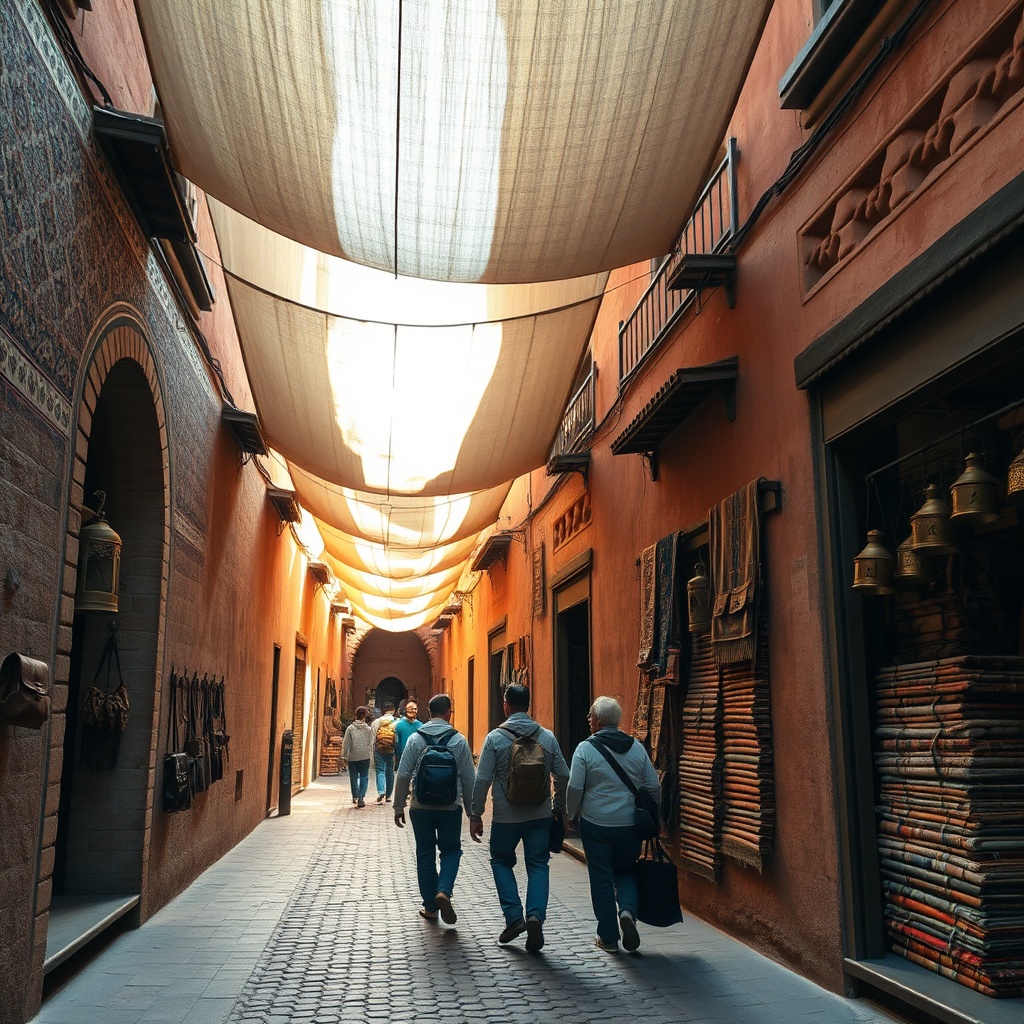
Captures the immersive experience of navigating Fez’s ancient medina, highlighting local crafts and architectural beauty.
These five activities form the backbone of any visit, offering a perfect introduction to the city’s history, craft, and culture.
1. Get Lost in the Labyrinth of Fes el-Bali
Navigating the 9,000+ winding alleys of Fes el-Bali, the world’s largest car-free urban zone, is an experience in itself. The medina is a sensory overload in the best possible way: the smells of spices and cedar, the sounds of craftsmen hammering copper, and the visual chaos of goods spilling out from every shop. Don’t fight the labyrinth; surrender to it. Every turn reveals a new discovery, from a hidden fondouk (caravanserai) to a bustling neighborhood bakery.
Quick Answer: Fes el-Bali is the world’s largest car-free urban area and a UNESCO World Heritage site. The primary experience is getting lost in its 9,000+ alleys, where you’ll encounter a living medieval city full of artisans, souks, and daily life.
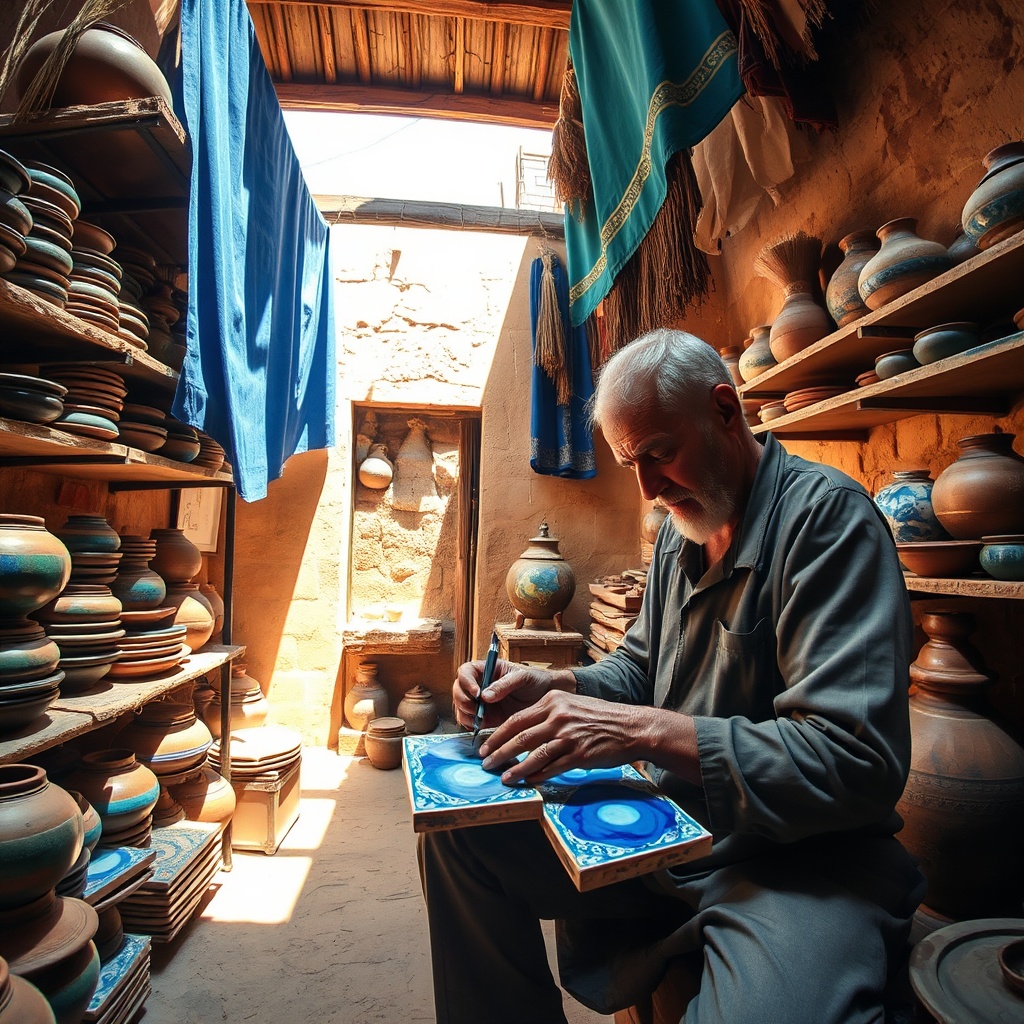
Showcases the living heritage of Fez through detailed scenes of local artisans practicing ancestral trades.
2. Witness the Ancient Craft of the Chouara Tannery
The Chouara Tannery is the oldest leather tannery in the world, and its methods have remained unchanged for centuries. From the terraces of the surrounding leather shops, you can witness the full cycle of leather-making: hides are soaked, dyed, and dried in a vast network of stone vats filled with natural dyes like saffron, indigo, and poppy. The pungent smell is part of the experience, so a sprig of mint held near the nose is a local trick. The best vantage point is from one of the shops that flank the tannery, where you can observe the workers without interfering.
Definition: The Chouara Tannery is a historic leather tannery in Fez, Morocco, where animal hides are processed using traditional methods that have been in practice since the Middle Ages.
3. Visit the Architectural Masterpiece of Bou Inania Madrasa
The Bou Inania Madrasa, built in the 14th century, is a stunning example of Marinid architecture and holds the unique status of being the only madrasa in Morocco open to non-Muslims. Step inside to admire the intricate zellige tilework, the beautifully carved cedar wood, and the serene central courtyard with its marble fountain. The building is still a functioning religious school, adding a layer of living history to its architectural beauty.
4. Explore the Al-Attarine Souk and Its Spices
The Al-Attarine Souk is one of the most atmospheric markets in the medina, famous for its perfume and spice shops. The air is thick with the scent of exotic blends, and the stalls are piled high with colorful mounds of turmeric, cumin, and saffron. Engage with the vendors to learn about the uses of various spices, from the complex ras el hanout to the precious saffron used in Fassi cuisine. It’s a feast for the senses and a great place to buy authentic ingredients.
5. Step Back in Time at the Royal Palace (Dar el-Makhzen)
The Royal Palace, known as Dar el-Makhzen, is a symbol of the Moroccan monarchy’s enduring presence. While you cannot enter the palace, its exterior is a must-see, particularly the seven massive, ornate brass doors covered in intricate mosaic work and gold. This is a prime photo opportunity. The palace is a working royal residence, so visitors can only admire its exterior and the surrounding Mellah, the historic Jewish quarter.
Section 1: Navigating the Medina Like a Local (Not a Tourist)
A practical, strategic approach to exploring the medina transforms a potential source of frustration into a controlled adventure.
Step-by-Step: A Foolproof Strategy for Exploring Fes el-Bali
- Enter through a main gate like Bab Boujloud (the Blue Gate) to establish a clear starting point.
- Choose a landmark as your « home base » (e.g., the Bou Inania Madrasa) and use it to orient yourself.
- Pick a general direction and commit to it for a set amount of time (e.g., 1-2 hours) before retracing your steps.
- Use a local guide for at least the first day to learn key navigation routes and understand the unwritten rules.
- Don’t be afraid to ask shopkeepers for directions; they are used to helping lost tourists and are generally friendly.
Understanding the Unwritten Rules of the Souks
The souks are a living social space, and there are unwritten rules to follow. Always ask before taking photos of people or their goods; a simple « Saha? » (May I?) with a gesture is usually enough. Bargaining is an art form here, a social interaction rather than just a transaction. Start by offering about half the quoted price and enjoy the back-and-forth. Politeness and a sense of humor go a long way in these exchanges.
The Best Times to Explore to Avoid the Crowds
To beat the tour groups, visit the main attractions early in the morning, around 8-9 AM, when the medina is just waking up to reveal its cultural layers. The late afternoon and early evening are also magical, when the light is golden and the atmosphere shifts from the bustle of commerce to the calm of evening prayers and family life. The medina is never truly empty, but these times offer a more intimate experience.
Section 2: Beyond the Medina: Historical and Imperial Fez
This city’s broader historical and imperial significance is often missed by rushed visitors.
The Mellah: A Journey Through Fez’s Jewish Heritage
The Mellah was the first Jewish quarter in Morocco, established in the 15th century. It’s a poignant and historically rich area, offering a glimpse into a once-thriving culture. Key sights include the Ibn Danan Synagogue, which is still in use, and the Jewish Cemetery, which sits on a hillside overlooking the city. A walk through the Mellah’s quiet streets is a powerful contrast to the bustling medina.
The Palais Royale and the Golden Doors
The Royal Palace is the seat of the King’s representatives in Fez, and its golden doors are a testament to the city’s imperial status. The seven massive doors, covered in brass and intricate mosaic, are a stunning example of Moroccan craftsmanship and a favorite photo spot for visitors. The palace itself is off-limits, but the surrounding area, including the Mellah, is worth exploring.
A Step Back in Time at the Borj Nord and the Merenid Tombs
For the best panoramic views of the entire medina, head to the Merenid Tombs. The ruins of this 14th-century royal necropolis sit on a hill overlooking Fes el-Bali, offering a breathtaking vista, especially at sunset. Nearby, the Borj Nord is a 16th-century fortress that now houses a military museum. Its position on the hill provides a different perspective on the city’s defensive history and a great vantage point for photography.
Section 3: Day Trips from Fez: Unlocking the Wider Region
Fez serves as a strategic base for exploring the broader historical and geographical context of northern Morocco.
The Roman Ruins of Volubilis: A Contrast in Civilizations
The well-preserved Roman ruins of Volubilis are a UNESCO World Heritage site and a fascinating contrast to the medieval medina. You can walk among the remains of a basilica, a triumphal arch, and several homes with stunning, intact mosaics. The best way to visit is with a private driver or a guide who can provide historical context. A grand taxi can also take you there, but arranging a driver for the day is often more convenient.
The Imperial City of Meknes: The « Moroccan Versailles »
Meknes is a less-visited but equally impressive imperial city, often called the « Moroccan Versailles » for its monumental gates and grand architecture. Its UNESCO-listed monuments include the massive Bab Mansour gate and the vast Heri es-Souani granaries, which were built to store grain for the Sultan’s army. It’s a quieter, more relaxed city than Fez, perfect for a half-day or full-day trip.
Comparison Table: Volubilis vs. Meknes
| Feature | Volubilis | Meknes |
|---|---|---|
| Primary Attraction | Roman mosaics and ruins | Monumental gates, granaries, and imperial architecture |
| Historical Period | 3rd century BC to 3rd century AD | 17th century |
| Best For | History buffs, photographers | Architecture lovers, culture enthusiasts |
| Travel Time from Fez | Approx. 1.5-hour drive | Approx. 1-hour drive |
Section 4: The Sensory Experience of Fez: Food and Craft
Beyond sightseeing, the « taste » and « touch » of Fez are found in its culinary traditions and hands-on artisanal experiences.
A Culinary Journey: What to Eat in Fez
Fassi cuisine is considered the pinnacle of Moroccan cooking. Signature dishes include pastilla, a sweet-and-savory pie filled with pigeon or chicken, almonds, and cinnamon, and tanjia, a slow-cooked meat dish prepared in a clay pot. To truly understand the flavors, consider taking a Moroccan cooking class, where you can learn the fundamentals of spice blending, bread making, and tagine preparation from local chefs.
The Art of Craftsmanship: Visiting the Artisan Quarters
Fez is the heart of Moroccan craftsmanship, and the city is divided into artisan quarters where you can watch masters at work. Visit the metalworkers hammering intricate designs into copper, the woodcarvers shaping cedar into elaborate screens, and the weavers creating colorful textiles. The zellige tilework is also a specialty of Fez, and observing the process of cutting and assembling these geometric tiles is a unique experience. Buying directly from the artisans supports the local economy and ensures you’re getting an authentic piece.
The Ultimate Souvenir Guide: What to Buy and Where
Fez is the best place in Morocco for high-quality, authentic goods. The top buys include leather goods from the tanneries, ceramics and zellige tilework, hand-woven carpets, and spices. To avoid tourist traps, look for shops where the craftsmen are working on-site and ask about the origin of the materials. The prices in Fez are generally more reasonable than in Marrakech, but haggling is still expected.
Section 5: Practical Tips and Logistics for Your Fez Visit
The essential, practical information needed to plan a smooth trip, addressing common logistical questions.
Getting Around Fez: A Guide to Transport
Walking is the primary mode of transport within the medina, as it’s completely car-free. For trips to the Ville Nouvelle or the train station, you’ll use petit taxis. These small, red cars are metered, so make sure the meter is running or agree on a price before you get in. Always carry small change for the fare.
Where to Stay: The Riad Experience vs. Modern Hotels
Staying in a traditional riad within the medina is an essential part of the Fez experience. These restored historic houses offer an oasis of calm, with central courtyards, fountains, and beautiful architecture. For a more modern experience with amenities like a pool and easier access for taxis, consider a hotel in the Ville Nouvelle. Your choice depends on whether you prefer to be immersed in the medina’s atmosphere or enjoy the convenience of a modern base.
Essential Safety and Etiquette Tips
Navigating the medina is generally safe, but you should be aware of your surroundings. Keep your valuables secure and be firm but polite with persistent touts. When visiting religious sites, remember to dress modestly, covering your shoulders and knees. Always ask before taking photos of people, and be respectful of local customs, especially during prayer times.
Conclusion
Fez is a city that rewards the curious traveler with an unforgettable tapestry of history, craft, and daily life. From the labyrinthine alleys of the medina to the aromatic souks and the timeless spectacle of the Chouara Tannery, every corner offers a new discovery. The practical tips on getting around, staying in a traditional riad, and respecting local customs ensure you can navigate this vibrant destination with confidence. By embracing the chaos, engaging with artisans, and venturing out on day trips, you’ll craft a journey that resonates long after you return home. Start planning your itinerary today and uncover the best things to do in Fez for an authentic Moroccan adventure.
FAQ: Things to Do in Fez
How many days do I need in Fez?
2-3 days is ideal to cover the main sights and get a feel for the medina without rushing. This allows time for the essential experiences, a day trip, and some downtime to simply wander.
Is it necessary to hire a guide in Fez?
A guide for the first day is highly recommended to get your bearings and learn the unwritten rules of the medina, but it’s not mandatory for the whole trip.
What is the best time of year to visit Fez?
Spring (March-May) and Autumn (September-November) offer the most pleasant temperatures for exploring the medina on foot.
Can you visit the Chouara Tannery without a guide?
Yes, but you will likely be approached by people offering to show you the way. A guide can help navigate this and provide valuable context about the process.
Is Fez safe for solo female travelers?
Like any major city, it requires awareness, but it is generally safe. Dressing modestly and being firm with touts can help ensure a comfortable experience.
