Introduction
Fes Aeroporto is the main gateway to Fes, Morocco’s oldest imperial city and a UNESCO World Heritage site. This guide answers the questions travelers ask most: how to get from the airport to the city, what facilities are available, and how to avoid common problems.
Quick Answer: Fes Aeroporto is the common name for Fes–Saïss Airport (IATA: FEZ), located approximately 15 km south of the city center. It serves as the main gateway to Morocco’s oldest imperial city.
Key Takeaways
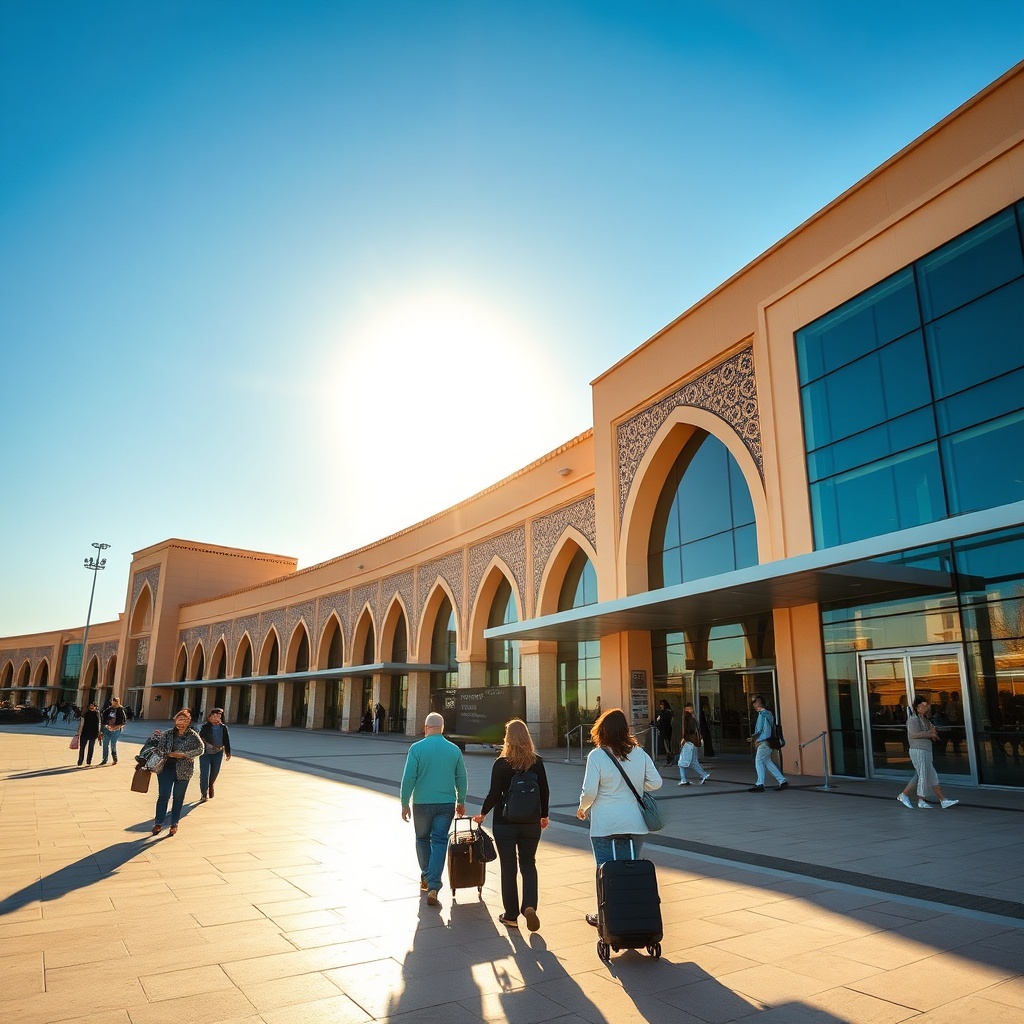
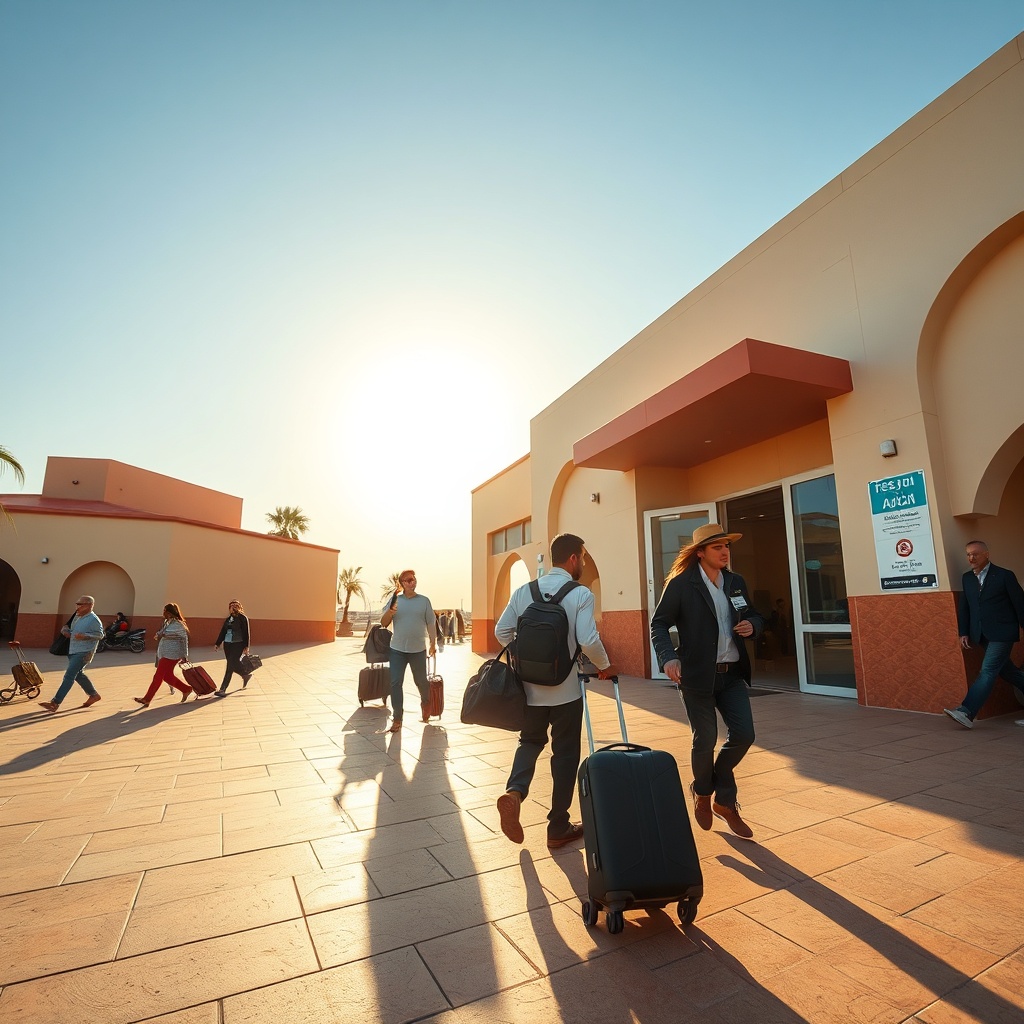
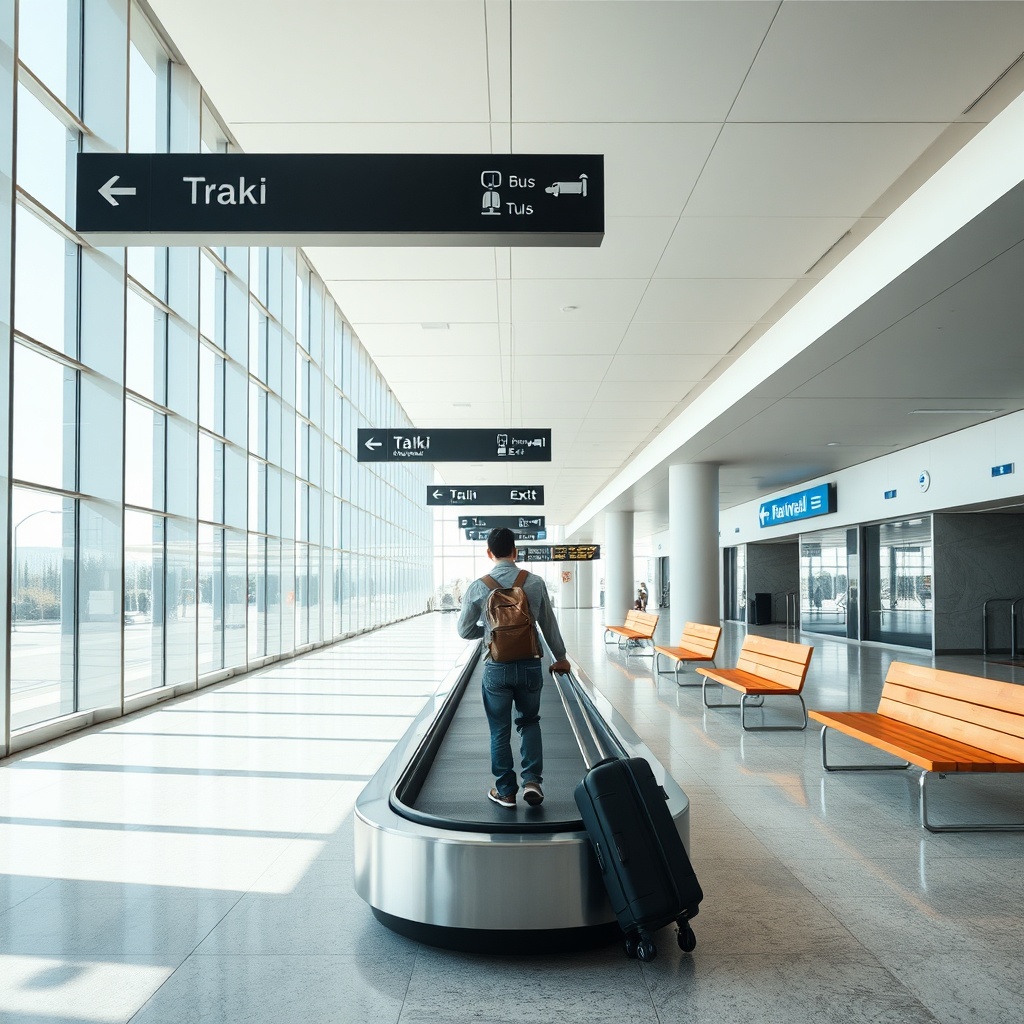
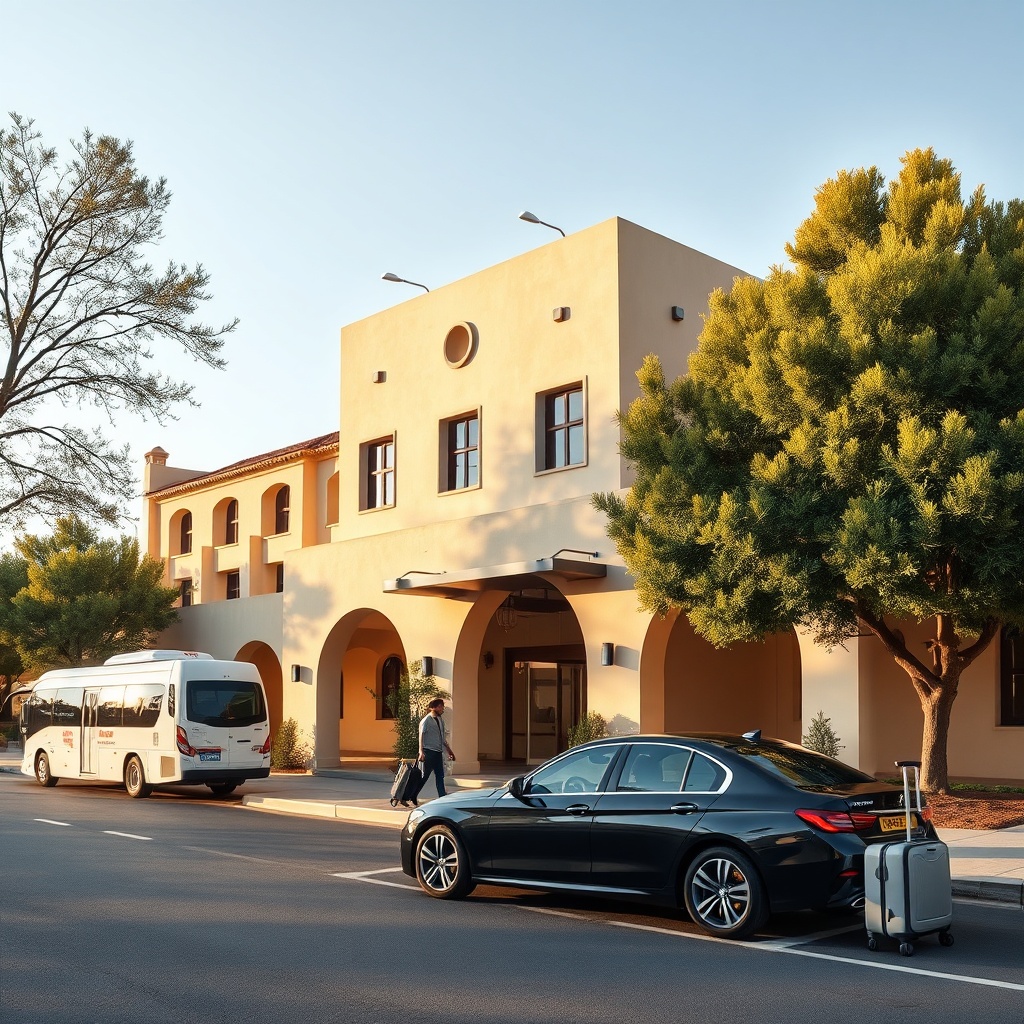
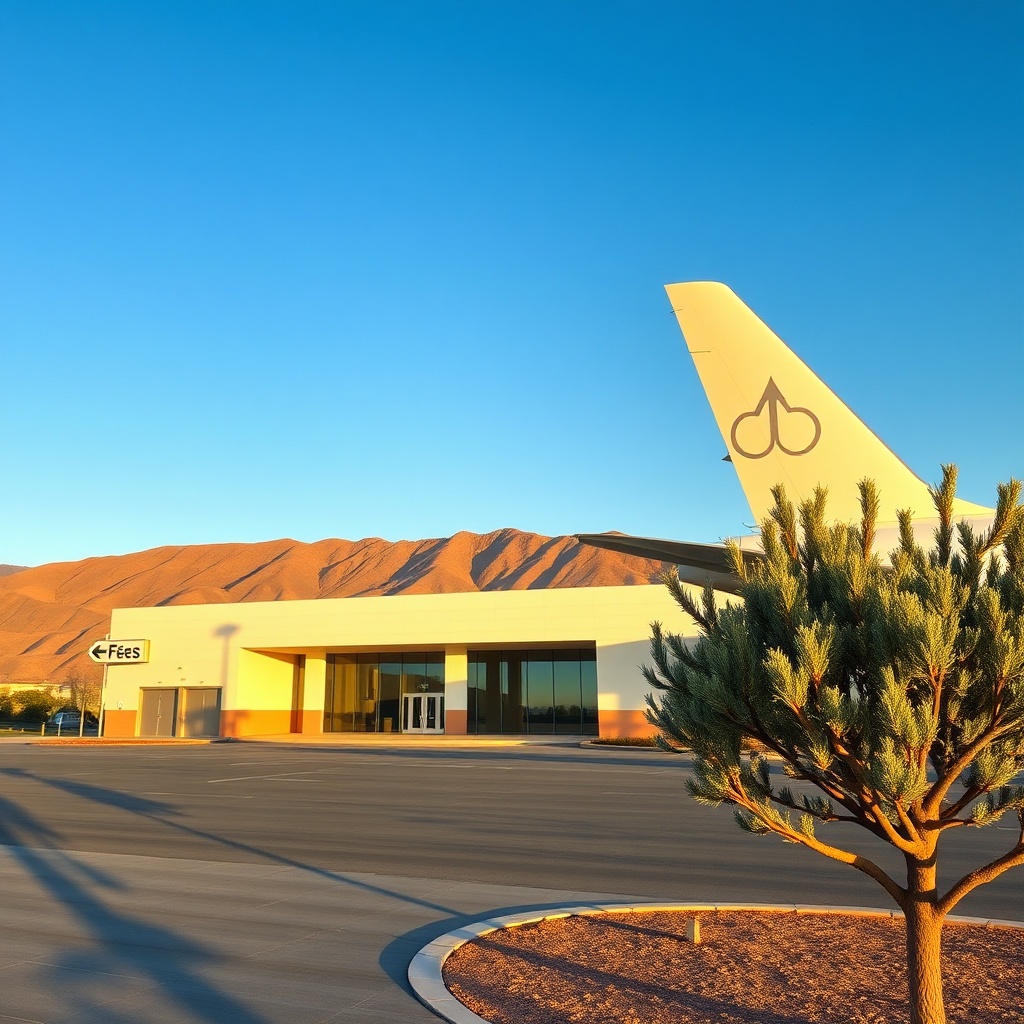
The welcoming facade of fes aeroporto offers easy access to Morocco’s ancient imperial capital.
- Fes Aeroporto is the common name for Fes–Saïss Airport (IATA code FEZ).
- The airport is located approximately 15 km south of the city center.
- Best transport options include taxi, bus, and private transfer, each with distinct trade-offs.
- The airport has a single terminal with essential facilities.
- Common traveler issues include taxi overcharging, flight delays, and language barriers.
The Complete Answer: What Is Fes Aeroporto?
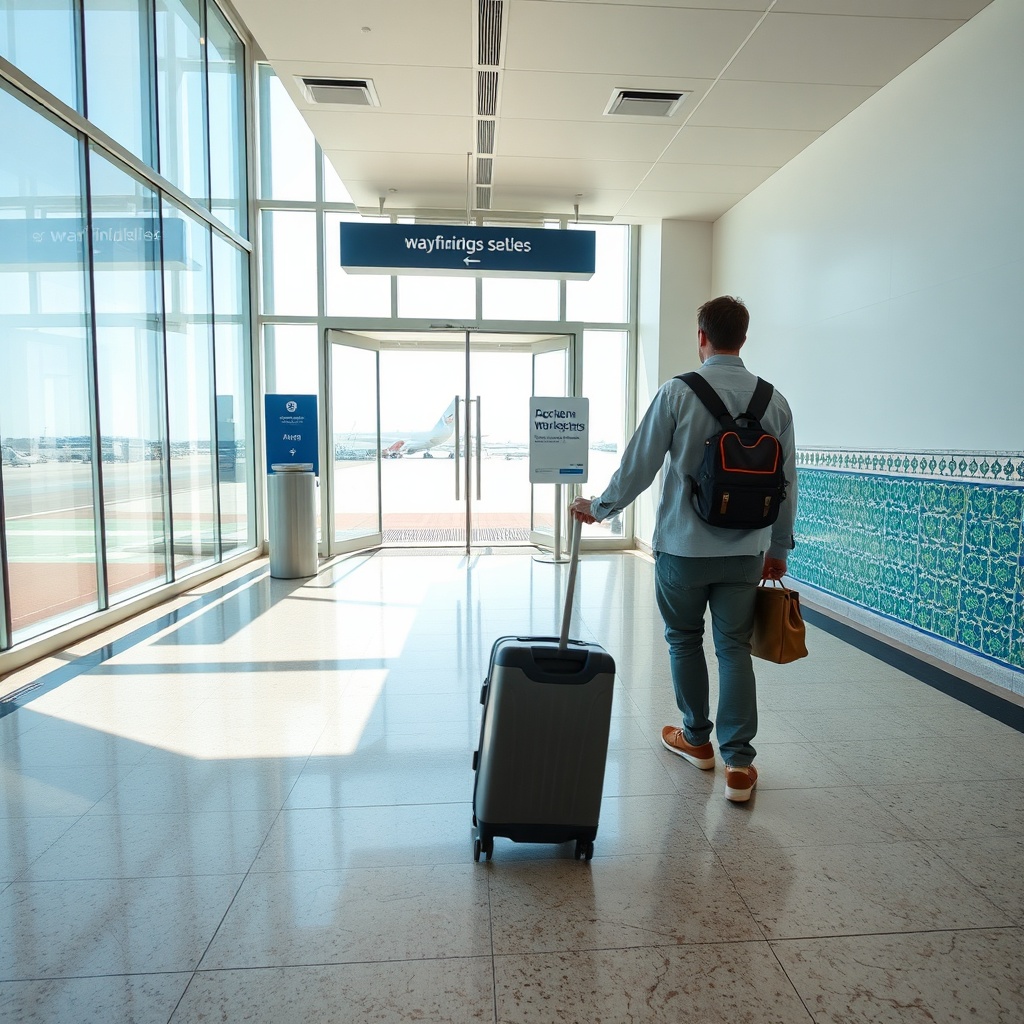
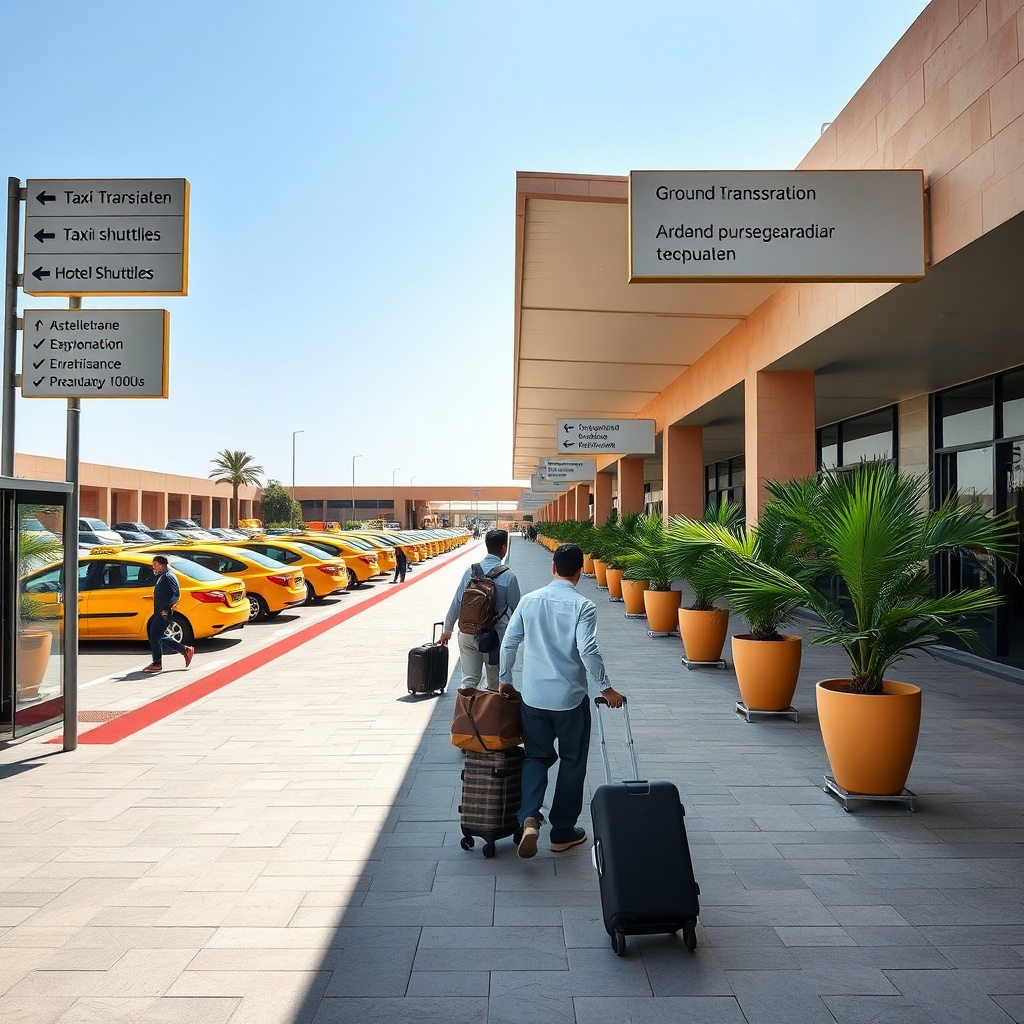
Navigating transportation from fes aeroporto is straightforward with clearly marked pick-up zones and reliable transfer services.
Official Name, IATA Code, and Location
Fes Aeroporto is the colloquial name for Fes–Saïss Airport. Its IATA code is FEZ and its ICAO code is GMFF. The airport sits approximately 15 km south of Fes city center, making it the closest commercial airport to the city.
Airport Type and Services Overview
Fes–Saïss is a public international airport serving both scheduled and charter flights. It operates year-round with seasonal peak traffic, particularly during summer and holiday periods. The airport has a single terminal layout with arrivals, departures, check-in, and security areas.
Why This Airport Matters for Travelers
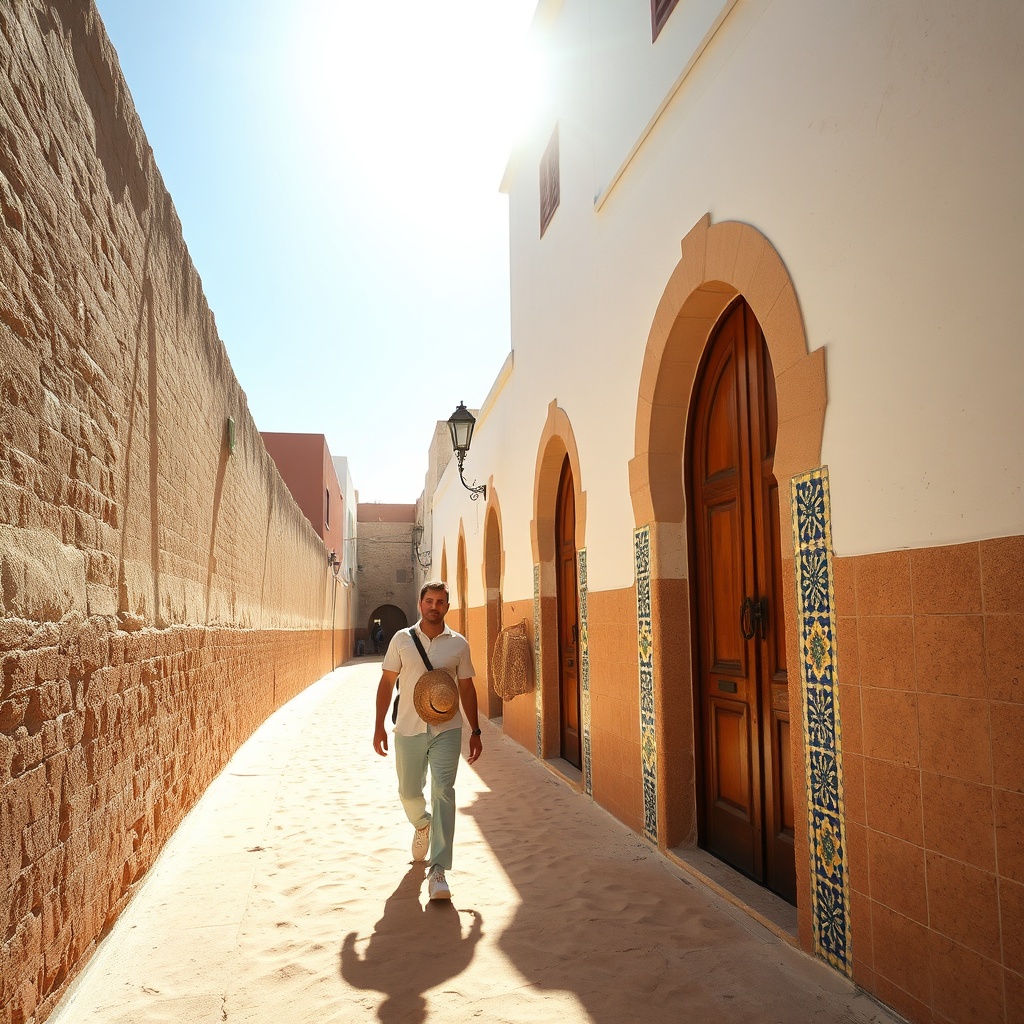
Fes Aeroporto serves as the gateway to Fes, the oldest imperial city in Morocco, and to the Middle Atlas region. It connects tourists to the medina — one of the largest car-free urban zones in the world — and to the broader region including Ifrane, Azrou, and the cedar forests.
Definition: The medina is the old walled city of Fes, a UNESCO World Heritage site and one of the largest car-free urban zones in the world.
Getting to and from Fes Aeroporto
Transport Options Compared (with comparison table)
| Transport mode | Approximate cost | Duration | Best for | Availability |
|---|---|---|---|---|
| Taxi | Fixed rate or meter (confirm before departure) | 20–30 minutes | Small groups, direct drop-off | Available at official taxi stand |
| Private transfer | Pre-booked flat rate | 20–30 minutes | Families, pre-arranged comfort | Book in advance |
| Bus | Low cost | 30–45 minutes | Budget travelers | Limited schedule |
| Car rental | Varies by company | 20–30 minutes | Independent travelers | On-site rental desks |
Note: All cost and duration values are approximate. Verify current rates and schedules with official sources before travel. As of 2026, the standard taxi fare from Fes–Saïss Airport to the medina is 150–200 MAD (approximately 15–20 USD), with the fare to the Ville Nouvelle slightly higher at 200–250 MAD. The official bus line 16 runs from the airport to the city center every 30 minutes from 6:00 AM to 10:00 PM, with a flat fare of 5 MAD.
Quick Answer: The best way to get from Fes Aeroporto to the city center depends on your budget and group size: taxis offer direct drop-off, buses are cheapest, and private transfers provide pre-booked convenience.
Taxi vs Bus vs Private Transfer: Head-to-Head Comparison
- Pros: Direct drop-off at your hotel; available at the official taxi stand; fastest option (20–30 minutes).
- Cons: Risk of overcharging if you don’t agree on the fare; limited space for luggage; no child seats.
- Pros: Cheapest option; good for solo budget travelers; familiar route.
- Cons: Limited schedule; less comfortable; not door-to-door; may require a walk to the medina.
Private Transfer
- Pros: Pre-booked flat rate; no haggling; meets you in arrivals; comfortable and spacious; ideal for families.
- Cons: More expensive than taxi; requires advance booking; no flexibility in departure time.
Which should you choose? If you’re on a tight budget, take the bus. If you want speed and convenience, take a taxi. If you’re traveling with family or want zero stress, pre-book a private transfer.
Step-by-Step: Arriving at Fes Aeroporto and Getting to the City
- After landing, follow signs to baggage claim and exit the arrivals hall.
- Choose your transport method based on your budget, time, and group size.
- If taking a taxi, use the official taxi stand and confirm the fare before departure.
- If taking the bus, locate the bus stop outside the terminal and confirm the route to the city center.
- If you have a pre-booked private transfer, look for your driver in the arrivals area.
- Arrive at your hotel in Fes, typically 20–30 minutes after departure.
Departing: Getting from the City to the Airport
To reach the airport from central Fes, reverse the directions above. From the medina, allow extra time because the narrow streets and traffic can slow you down. From the Ville Nouvelle (new city), the journey is more straightforward. Arrive 2–3 hours before international flights to allow time for check-in and security. If you’re driving, parking is available on-site, though current rates should be verified.
Airlines, Destinations, and Terminal Guide
Airlines Operating at Fes Aeroporto
Several airlines operate Direct Flights and charter flights at Fes–Saïss Airport. Their schedules vary by season, with more flights during summer and winter holiday periods. In addition to international routes, the airport also handles domestic flights within Morocco. As of 2026, the main airlines serving Fes–Saïss Airport include Royal Air Maroc (Paris, Madrid, Barcelona, Casablanca), Ryanair (Paris Beauvais, Marseille, Charleroi, Bologna, Brussels), Air Arabia (Tangier, Marrakech, Paris), and Transavia (Paris Orly, Nantes).
Popular Routes and Destinations
The most common direct routes connect Fes to European cities including Paris, Madrid, Brussels, and Barcelona. Some connections to the Middle East are also available seasonally. Routes change frequently, so check the current schedule before booking.
Terminal Layout and Facilities
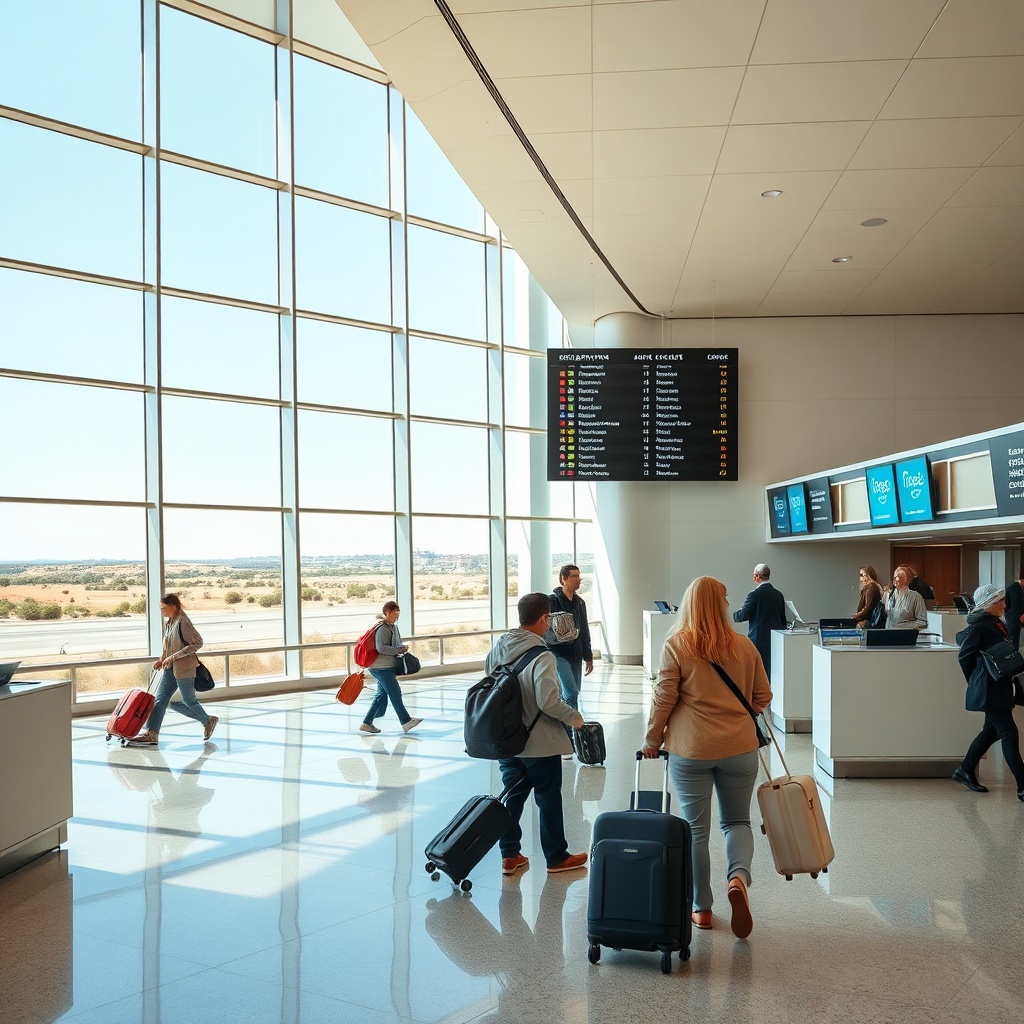
The airport has a single terminal with check-in counters, security screening, and baggage claim. Arriving passengers exit directly into the transport area where taxis, buses, and rental car desks are located. The terminal typically offers basic facilities including a café, duty-free shop, prayer room, ATMs, and Wi-Fi. Availability and hours may vary, so verify current services before your trip.
Facilities, Services, and Practical Tips
Essential Facilities: From Wi-Fi to Prayer Rooms
Inside the terminal, travelers can find Essential travel amenities like a café, duty-free shop, prayer room, and restrooms. These facilities are typically located near the departure gates. Some services may have limited hours, so plan accordingly.
Money, SIM Cards, and Connectivity
ATMs are available at the airport, though their reliability can vary. Currency exchange is also typically available. For connectivity, you can buy a Moroccan SIM card from providers such as Maroc Telecom, Orange, or inwi. Wi-Fi may be free or paid depending on the airport’s current arrangement.
Tips for a Smooth Experience
Arrive early for international flights. Have some local currency (MAD) for taxis and small purchases. English is less widely spoken than French or Arabic, so consider downloading a translation app and carrying your hotel address written in Arabic.
Common Problems and How to Avoid Them
Transport Scams and Overcharging
Taxi scams at Fes Aeroporto typically involve refusing to use the meter or inflating fares. To avoid this, use the official taxi stand, agree on the fare upfront, or pre-book a private transfer.
Quick Answer: To avoid taxi overcharging at Fes Aeroporto, use the official taxi stand, agree on the fare before departure, or pre-book a private transfer.
Flight Delays and Cancellations
If your flight is delayed or canceled, contact the airline directly, check the flight board, and seek assistance at the airline desk. Keep travel insurance for unexpected changes.
Language Barriers and Communication
The language mix at the airport includes Arabic, French, and some Spanish and English. Learn basic French phrases, use translation apps, and carry your hotel address written in Arabic to show taxi drivers.
FAQ
What is the name of the airport in Fes? Fes–Saïss Airport, with IATA code FEZ. How far is Fes airport from the city center? Approximately 15 km, about 20–30 minutes by car. Is there a bus from Fes airport to the medina? Yes, there is a bus service, but the route and schedule should be verified before travel. Are there ATMs at Fes airport? Yes, ATMs are available, but their location and reliability should be verified. What airlines fly to Fes airport? Several airlines operate scheduled and charter flights, including Ryanair, Air Arabia, and Royal Air Maroc. Related reading: [Fez Airport To Medina: Best Transport Options 2026 Guid](https://www.fezairport.com/fez_airport_to_medina__best_transport_options_2026_guide/) · [Direct Flights from Fes: Your Guide to Fes Airport and](https://www.fezairport.com/direct-flights-from-fes-your-guide-to-fes-airport-and-airlines/) · [Essential travel accessories to go to FEZ Aiport](https://www.fezairport.com/essential-travel-accessories-to-go-to-fez-aiport/)
Conclusion
Fes Aeroporto is a manageable, single-terminal airport that serves as the main gateway to Fes. Plan your transport ahead of time and verify current facts — airlines, prices, facilities — before travel. Use this guide as a comprehensive resource for your trip.