Fes, Morocco, sits inland at the foot of the Middle Atlas Mountains, and its weather reflects that position: hot, dry summers and mild, wet winters. Understanding the weather fes morocco experiences across the year matters for travelers because it directly shapes how you explore the city. The medina — a vast, labyrinthine UNESCO World Heritage site — is best enjoyed on foot, and your comfort depends heavily on whether you are walking under a blazing July sun or a crisp January sky. Fes has a distinct semi-arid climate with Mediterranean influences, and determining A Perfect Time to Visit Fes depends entirely on your tolerance for heat versus cooler temperatures.
Key Takeaways
- Fes has a semi-arid climate with hot, dry summers and mild, wet winters — the opposite of many European destinations.
- Spring (March–May) and autumn (September–November) offer the most comfortable temperatures for exploring the medina.
- Summer in Fes can be extremely hot, making midday outdoor activities challenging; winter nights can be surprisingly cold.
- Rainfall in Fes is concentrated between November and March, with very little precipitation from June to September.
- The best time to visit depends on your priorities: sightseeing comfort, festival timing, or budget travel during shoulder seasons.
Weather Fes Morocco: The Complete Answer
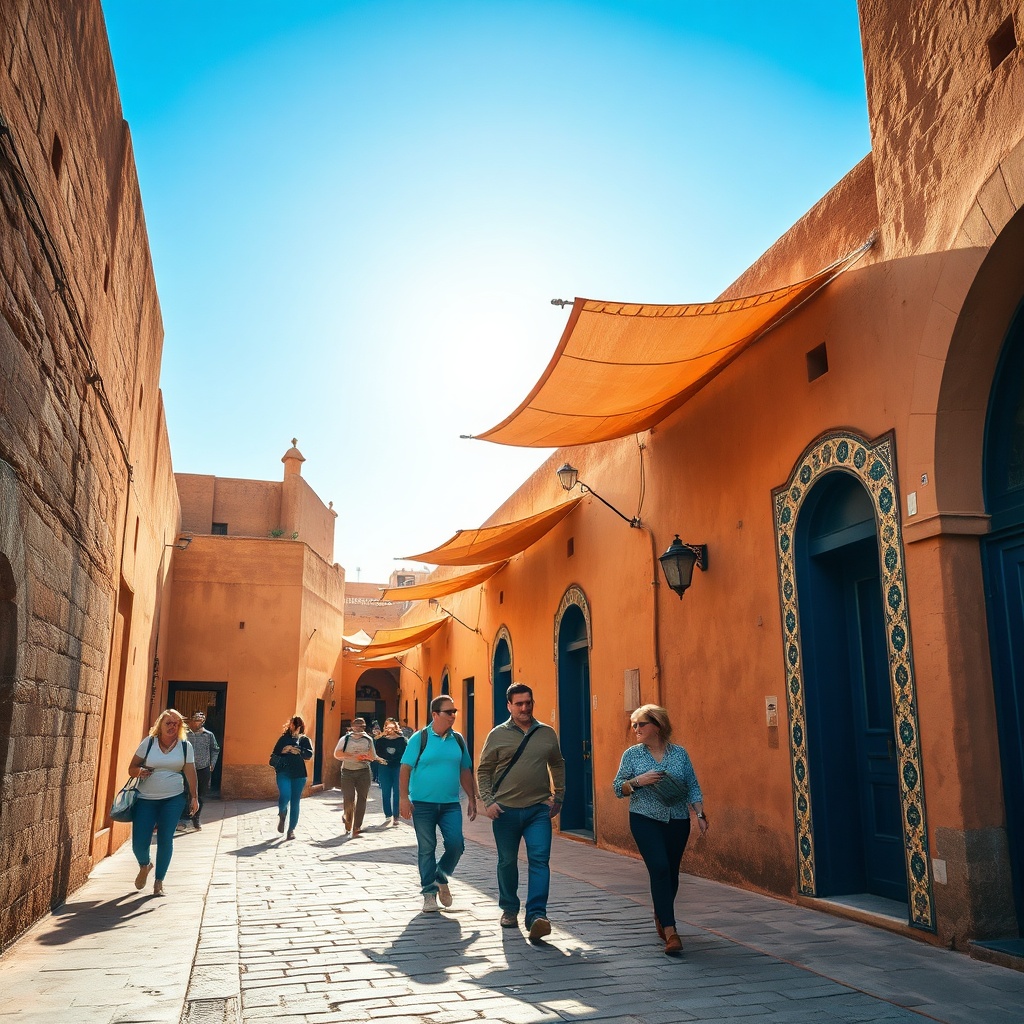
Ideal spring and autumn conditions make wandering Fes’s ancient streets both comfortable and unforgettable.
The Short Answer
Fes experiences a hot semi-arid climate with distinct seasons — scorching summers, mild and wet winters, and pleasant spring and autumn transitions. The city sits inland, far from the Atlantic coast, so it lacks the coastal moderation that cities like Casablanca or Essaouira enjoy. This inland position means summer heat builds intensely, while winter nights can turn surprisingly cold.
Quick Answer: Fes has a hot semi-arid climate with very hot, dry summers and mild, wet winters. The best weather typically arrives in spring (March–May) and autumn (September–November), when daytime temperatures are warm and evenings are cool.
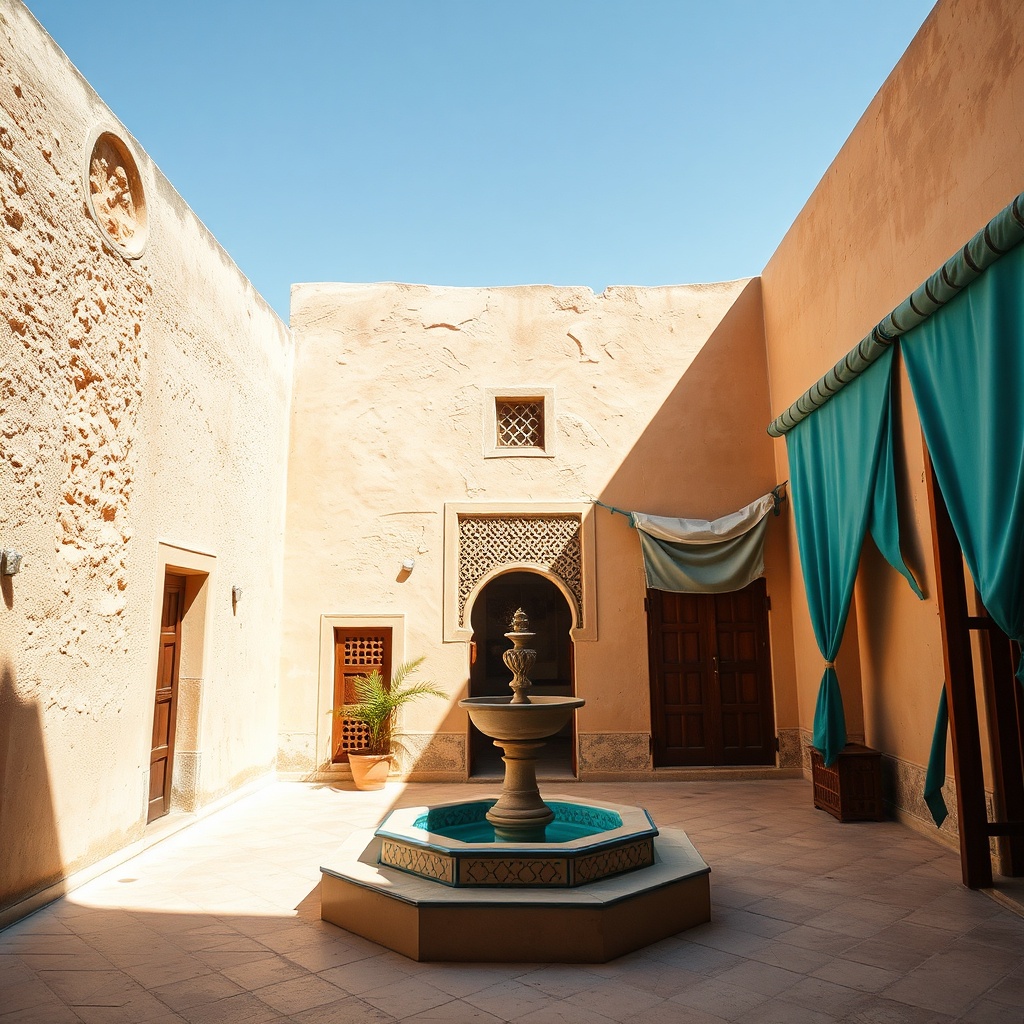
Scorching summer days demand strategic planning to comfortably navigate Fes’s historic landscape.
Climate Classification and General Patterns
Definition: The Köppen climate classification is a widely used system for categorizing climate types. Fes falls under BSh, which denotes a hot semi-arid climate — hot summers, mild winters, and low annual rainfall.
Fes’s BSh classification results from its inland location at the foot of the Middle Atlas Mountains. The Atlas range creates a rain shadow effect, blocking much of the moisture that arrives from the Atlantic, which keeps the city drier than coastal regions. This dry, hot season runs roughly from May to September, while a cooler, wetter season arrives from November to March. The transition months of April and October bridge these two periods with more variable conditions.
Key Weather Facts at a Glance
The climate of Fes is defined by extremes rather than moderation. Average annual temperatures sit comfortably in the mild range, but the seasonal swing is significant. The hottest months are July and August, when daytime temperatures frequently climb into the high 30s Celsius and occasionally exceed 40°C during heatwaves. The coldest month is January, when nights can drop close to freezing. The wettest period is typically December through February, while June, July, and August see almost no rain at all.
Seasonal Weather in Fes: What Each Season Brings
Spring (March–May): Mild and Pleasant
Spring is the transition from winter rains to summer heat, and it is one of the most rewarding times to visit Fes. Days are warm and pleasant, nights remain cool, and the surrounding countryside turns green with wildflowers. This is one of the most comfortable seasons for walking the medina, as you can explore the tanneries, madrasas, and souks without battling extreme temperatures.
Summer (June–August): Hot and Dry
Summer in Fes is intense. Long, sunny days stretch ahead with very little rain, and afternoon temperatures are often extreme. The heat can make midday exploration exhausting, so the best strategy is to plan outdoor activities for the early morning or late evening. The medina’s narrow streets provide some shade, but the open squares and rooftops can feel punishing by mid-afternoon. Hydration and sun protection are essential.
Autumn (September–November): Warm and Transitional
Autumn starts warm and gradually cools, offering a good balance of warm days and comfortable evenings. September still carries summer-like heat, but by October the temperatures ease into a more pleasant range. The first significant rains usually arrive in November, marking the beginning of the wetter season. This period is excellent for photography, as the softer light and changing foliage add atmosphere to the medina’s alleys.
Winter (December–February): Cool and Wet
Winter in Fes is cool and damp. Rain is most frequent during these months, and nights can drop to near-freezing levels. Days are often sunny but crisp, and the medina can feel genuinely chilly — especially in the early morning before the sun warms the streets. The lack of central heating in many traditional riads means evenings can be cold indoors, so warm clothing is essential.
Quick Answer: The rainy season in Fes runs from approximately November to March, with the heaviest rainfall typically falling in December, January, and February. Summers are almost completely dry.
Month-by-Month Weather Guide for Fes
January to March
This period covers the coldest and wettest part of the year. January is the chilliest month, with cold nights and frequent rain showers that can make the medina’s cobbled lanes slippery. February begins the slow warm-up, though rain remains likely. By March, spring is arriving — temperatures rise, rain becomes less frequent, and the days grow noticeably longer. Travelers in these months should pack warm layers and a rain jacket.
April to June
April and May are the sweet spot of the spring season. Temperatures are warm but not oppressive, and the last winter rains taper off. These are ideal months for sightseeing, day trips, and exploring the surrounding hills. June marks the beginning of the hot, dry period — rain becomes rare, and the heat builds steadily. By the end of June, summer is in full swing, and midday outdoor activity becomes less appealing.
July to September
July and August are the peak of summer, with consistent heat and almost no rain. This is the hottest period in Fes, and the city’s rhythm shifts to avoid the midday sun. September begins to cool slightly, offering a reprieve from the summer extremes. Early September can still feel like summer, but by late September the evenings become noticeably more comfortable.
October to December
October is still pleasant, with warm days and mild evenings — a good transition month before the wet season arrives. November brings the first significant rains, and temperatures drop steadily. December is the coldest month of the year, with the highest rainfall probability and the shortest daylight hours. This is the quietest time for tourism, which can mean lower prices and fewer crowds.
Best Time to Visit Fes: A Weather-Based Decision Guide
The Sweet Spots: Spring and Autumn
Spring and autumn are widely considered the best times to visit Fes, and for good reason. Daytime temperatures sit in a comfortable range, nights are cool enough for good sleep, and the conditions are ideal for exploring the medina, the tanneries, and the surrounding hills. Spring offers the bonus of green landscapes and blooming flowers, while autumn provides softer light and a more relaxed pace. The trade-off is that these seasons also attract the most visitors, so you will share the medina with more travelers.
Weather Comparison Table: Spring vs Autumn vs Summer vs Winter
| Season | Daytime Temperature | Nighttime Temperature | Rainfall | Crowd Levels | Best For |
|---|---|---|---|---|---|
| Spring | Warm | Cool | Moderate | Moderate | Sightseeing, day trips |
| Summer | Hot | Warm | Very low | High | Early-morning tours, rooftop evenings |
| Autumn | Warm | Cool | Increasing | Moderate | Photography, medina exploration |
| Winter | Cool | Cold | High | Low | Budget travel, indoor attractions |
How to Decide Based on Your Travel Preferences
Choosing when to visit Fes comes down to your priorities. If you are sensitive to heat and want to spend long hours walking the medina, spring and autumn are your best options. If you are on a tight budget, winter offers lower prices and fewer crowds, but you will need to plan around rain and cold nights. If you want to combine Fes with a trip to the Middle Atlas mountains or the Sahara Desert, consider the seasons carefully — summer desert trips are extremely hot, while winter brings snow to the mountains and cold nights in the desert. Festival timing can also influence your decision, so check the calendar for events like the Fes Festival of World Sacred Music, which typically takes place in late spring and Recommendations for securing advance tickets.
Practical Weather Tips: Packing and Planning for Fes
What to Pack for Each Season
For spring and autumn, pack light layers — a t-shirt or light blouse for the day, a sweater or jacket for the evening. For summer, focus on sun protection and breathable fabrics: loose cotton or linen clothing, a sun hat, sunglasses, and a reusable water bottle. Light, comfortable walking shoes are essential year-round, as the medina’s uneven cobblestones demand sturdy footwear. For winter, bring warm clothing — a heavy coat, a hat, and gloves — plus a rain jacket for the frequent showers.
Definition: The medina is the old walled quarter of a North African city. In Fes, the medina (Fes el-Bali) is one of the largest car-free urban zones in the world, with over 9,000 narrow streets and alleys.
Step-by-Step: How to Plan Your Fes Itinerary Around the Weather
- Check the seasonal forecast — review the average temperatures and rainfall for your intended travel months before booking.
- Choose your core sightseeing hours — plan outdoor activities in the medina for early morning or late afternoon during summer, and midday during winter when the sun is warmest.
- Build rain-day backup options — identify indoor attractions like the Bou Inania Madrasa, the Nejjarine Museum, or traditional hammams for wet-weather days.
- Schedule day trips strategically — reserve excursions to the Middle Atlas or Volubilis for days with the clearest skies and most comfortable temperatures.
- Adjust your packing list — finalize your luggage based on the specific forecast for your dates, not just the seasonal average.
- Stay flexible — build buffer time into your itinerary to accommodate unexpected weather shifts, especially during the transition months.
Weather-Related Safety Tips for Fes
The most significant weather risk in Fes is heat exhaustion during the summer months. Drink water regularly, wear a hat, and avoid prolonged sun exposure between noon and late afternoon. In winter, the rain makes the medina’s narrow streets and uneven surfaces slippery, so wear shoes with good grip and watch your step on the steep, cobbled lanes. The Atlas mountain rain shadow effect means humidity levels in Fes are generally low, which makes the heat more bearable than in coastal cities — but it also means you can dehydrate quickly without noticing.
FAQ: Fes Weather Questions Answered
What is the best time to visit Fes, Morocco?
Spring (March–May) and autumn (September–November) offer the most comfortable weather, with warm days and cool nights, making them ideal for exploring the city. These seasons balance pleasant temperatures with manageable crowd levels.
Does it snow in Fes?
Snowfall in Fes itself is extremely rare, as the city sits at a relatively low elevation. However, the nearby Middle Atlas mountains receive snow during winter, making day trips to ski areas possible — the Ifrane ski resort is roughly an hour’s drive away.
How hot does Fes get in summer?
Summer in Fes is intense, with daytime temperatures frequently reaching extreme levels in July and August. Heatwaves can push the mercury well above 40°C. Visitors should plan outdoor activities around the cooler morning and evening hours.
When is the rainy season in Fes?
The rainy season in Fes runs from approximately November to March, with the highest rainfall typically occurring in the winter months of December, January, and February. Summers are almost completely dry.
What should I pack for Fes?
Pack light layers for spring and autumn, breathable clothing and sun protection for summer, and warm layers plus a rain jacket for winter. Comfortable walking shoes are essential in every season. Related reading: [A Perfect Time to Visit Fes](https://www.fezairport.com/a-perfect-time-to-visit-fes/) · [Beating the Heat in Fes](https://www.fezairport.com/beating-the-heat-in-fes/)
Conclusion
Fes has a climate of extremes, but with the right timing and preparation, it can be explored comfortably all year round. Spring and autumn are the sweet spots, offering warm days and cool nights that make the medina a pleasure to explore. Summer and winter require specific strategies — early-morning sightseeing and hydration in the heat, or warm layers and rain plans in the cold. Before your trip, check the latest forecast, pack accordingly, and embrace the unique weather character of this inland Moroccan city. The extremes are part of what makes Fes feel authentic, and with a little planning, they will not stand between you and one of Africa’s most remarkable destinations.
