A 3-day Fez to Sahara itinerary is the most efficient way to experience Morocco’s desert landscapes when you have limited time. This guide covers the route, costs, and key stops, focusing on the classic loop from Fez to Merzouga and back, so you can plan with confidence by reviewing any Top 20 Destinations from the City of Fes products.
Quick Answer: A 3-day Fez to Sahara itinerary is a round-trip journey that typically takes you from Fez to the Erg Chebbi dunes in Merzouga, with two long driving days and one full day of desert activities in between.
Key Takeaways
- The 3-day Fez–Sahara itinerary is the most efficient way to see the desert without sacrificing a full week of travel.
- Merzouga (Erg Chebbi) is the most popular and accessible gateway, while Zagora (Erg Chigaga) offers a shorter drive but less dramatic dunes.
- Expect two long driving days, with the desert night in between.
- The itinerary includes a camel trek, a night in a desert camp, and a sunrise over the dunes—all bookable as a package or independently.
- The best time to travel is spring (March–May) and autumn (September–November) to avoid extreme heat and cold.
The Complete Answer: A 3-Day Fez to Sahara Itinerary
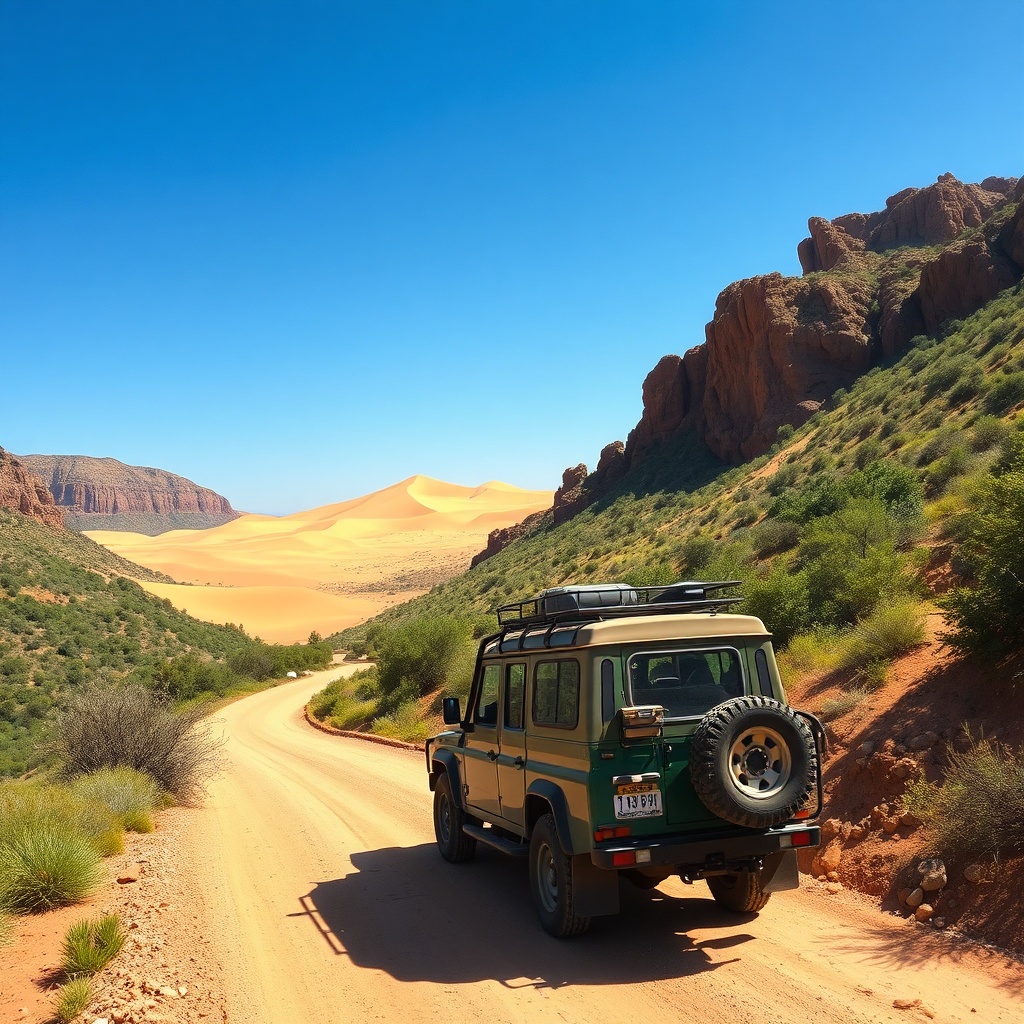
Visualizes the scenic driving route from Fez to Merzouga, highlighting the landscape transition featured in the 3-day desert loop.
What the Itinerary Covers
The classic 3-day loop from Fez to Merzouga takes you through the Middle Atlas mountains, the cedar forests of Azrou, and the dramatic Ziz Valley before reaching the golden dunes of Erg Chebbi. The return journey follows a similar route, often with a stop in Rissani or the Todra Gorge.
Three days is the minimum practical timeframe for this round trip. The drive from Fez to Merzouga takes roughly 7–9 hours, depending on stops, so you need at least one full day for the journey each way. The primary goal of this itinerary is simple: a night in a desert camp, a camel trek, and a sunrise or sunset experience over the dunes.
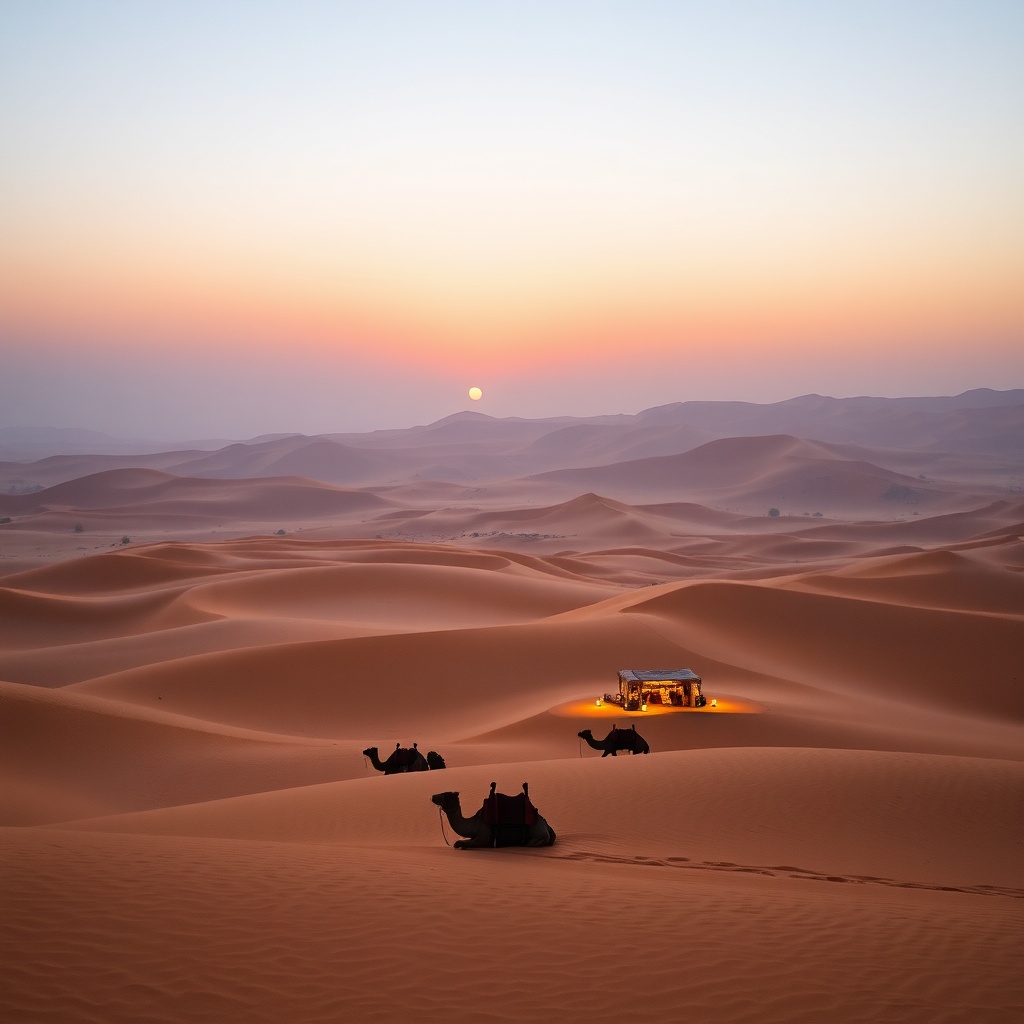
Showcases the overnight camp and camel trek highlights central to the three-day Morocco desert circuit.
The Route in a Nutshell
Day 1 involves an early morning departure from Fez, scenic stops along the way, and arrival at the desert camp in the late afternoon. Day 2 is dedicated to desert activities—sunrise, camel trekking, and optional excursions. Day 3 is the return drive to Fez.
Merzouga is the default gateway for this itinerary because it offers the most dramatic dunes and the widest range of tour options. Zagora is the alternative, with a shorter drive but smaller, less impressive dunes. The trip can be done with a private driver, a small-group tour, or self-drive, though the latter requires caution and careful planning.
Who This Itinerary Is For
This itinerary is designed for travelers who have limited time but want the full Sahara experience. It suits first-time visitors to Morocco, couples, and small groups who want to see the desert without committing to a week-long journey. It is not suitable for those seeking deep cultural immersion in the Middle Atlas—that would require more days and a slower pace.
Choosing Your Sahara Route: Merzouga vs. Zagora
Merzouga: The Classic Erg Chebbi Experience
Merzouga is the standard choice for most Fez-based tours. Its iconic orange dunes, known as Erg Chebbi, rise up to 150 meters in places and stretch for miles along the Algerian border. The village itself is small but well-equipped for tourism, with a range of camps, guesthouses, and activity providers.
Popular activities in Merzouga include camel treks, sandboarding, and overnight stays in camps that range from basic to luxurious. Many travelers also visit the nearby Gnaoua village of Khamlia, where local musicians perform traditional Gnawa music.
Zagora: The Shorter, Scenic Alternative
Zagora features the smaller Erg Chigaga dunes, which are less dramatic than Erg Chebbi but offer a quieter, more remote experience. The drive from Fez to Zagora is shorter, around 6–7 hours, and the route passes through the fertile Draa Valley, which is famous for its palm groves and kasbahs.
The dunes themselves are less impressive than those at Merzouga, but the valley scenery is a major draw. Zagora is a good choice for travelers who want to minimize driving time and prefer a less touristy atmosphere.
Comparison Table: Merzouga vs. Zagora
| Feature | Merzouga (Erg Chebbi) | Zagora (Erg Chigaga) |
|---|---|---|
| Distance from Fez | Approximately 550 km | Approximately 450 km |
| Drive time (approx.) | 7–9 hours | 6–7 hours |
| Dune height and size | Taller, more dramatic dunes | Smaller, less dramatic dunes |
| Typical activities | Camel trek, sandboarding, Khamlia village | Camel trek, Draa Valley sightseeing |
| Best for | First-time desert visitors, photographers | Travelers seeking a quieter experience |
| Tour availability | Extensive, many operators | More limited, fewer operators |
Quick Answer: Merzouga is the default for a 3-day itinerary unless you specifically want a less crowded experience and are willing to trade dune height for a shorter drive.
Day-by-Day Breakdown: The 3-Day Journey
Day 1: Fez to Merzouga (or Zagora) — The Long Drive
The first day is all about the journey. Depart Fez early in the morning, around 7–8 AM, to make the most of the daylight hours. The route takes you through Ifrane, often called the « Switzerland of Morocco » for its alpine-style architecture and clean streets, which makes it a prime location for any Day Trip Fes to Ifrane products tour. Continue south through the Middle Atlas mountains, stopping for lunch in Midelt, a town known for its apples and fossils. The afternoon drive takes you through the Ziz Valley, where the road winds past vast palm groves and dramatic gorges. Arrive at the desert camp in the late afternoon, just in time for a camel trek to watch the sunset over the dunes.
Day 2: Desert Activities and Camel Trek
Wake up early to catch the sunrise over the dunes—this is the highlight of the entire trip. After breakfast at the camp, you have the morning free for optional activities. Sandboarding down the dunes is a popular choice, as is quad biking or simply relaxing in the sand.
In the afternoon, take another camel trek back to the edge of the desert, where you’ll spend the night in a hotel or guesthouse. Some itineraries offer a second night in the camp, but for a 3-day trip, a hotel stay is more common and allows for a proper shower and a comfortable bed.
Day 3: Sunrise and Return to Fez
If you didn’t catch the sunrise on Day 2, wake up early again for a final view of the dunes in the morning light. Then begin the long drive back to Fez. The route offers several potential stops, including Rissani, a historic market town known for its traditional souk, and the Todra Gorge, a dramatic canyon that is a popular rock-climbing destination.
If time permits, you can extend your return journey with a detour through the Dades Valley, but for a strict 3-day itinerary, a direct return is more practical.
Step-by-step itinerary at a glance:
- Day 1 – Fez to Merzouga: Drive through the Middle Atlas, stop at Ifrane and the Ziz Valley, arrive at the camp, and take a camel trek at sunset.
- Day 2 – Full desert day: Watch the sunrise, enjoy optional activities like sandboarding, take a second camel trek, and spend the night in a hotel or camp.
- Day 3 – Return to Fez: Enjoy a final sunrise if you missed it, then drive back with a stop at Rissani or the Todra Gorge.
What to Pack and Prepare for a Moroccan Sahara Trip
Clothing and Footwear
The desert experiences extreme temperature swings, so layering is essential. Pack loose, light-colored clothing for the day to reflect the sun and keep you cool. For the night, bring warm layers—temperatures can drop sharply after sunset, especially in winter.
Comfortable closed-toe shoes are essential for the camel trek, while sandals are ideal for relaxing at the camp. A scarf or shemagh is invaluable for protecting your face and neck from sun and sand.
Essentials for the Desert Environment
Sun protection is non-negotiable. Bring high-SPF sunblock, sunglasses, a wide-brimmed hat, and a refillable water bottle, along with any Essential travel accessories to go to FEZ Aiport online you might require. A headlamp or flashlight is essential for navigating the camp after dark, as lighting can be limited.
A power bank is crucial for keeping your phone and camera charged—the camp may have limited charging facilities. Pack a small daypack for carrying water, snacks, and essentials during the trek, and include toiletries and wet wipes, as showers may be basic.
Cultural and Practical Considerations
Dress modestly in rural areas, especially when visiting villages. Always ask permission before photographing locals. Alcohol is generally not available in desert camps unless specified by the operator, so plan accordingly.
Tipping customs apply to guides and camel handlers. A reasonable tip is appreciated, though the exact amount depends on the level of service and the length of the trip.
Practical Tips for Booking and Budgeting
How to Choose a Tour Operator
You have three main options: a private tour, a small-group tour, or self-drive with a local guide. Private tours offer flexibility and comfort, while small-group tours are more affordable and provide a social element. If comparing regional routes, many travelers consult A Comprehensive Guide to Traveling from Casablanca to Fez: Transfers, Tips, and Recommendations online before departure. Self-drive is possible but requires careful navigation and a reliable vehicle, especially after reading Rent a Luxury Car in Casablanca: Self-Drive vs. Chauffeur – Which is Best?.
Before booking, ask key questions: Is the camel trek included? What type of camp is it—standard or luxury? Are meals and water covered? Read recent reviews and confirm the itinerary in writing to avoid surprises.
Cost Breakdown and Budgeting
The cost of a 3-day tour varies significantly based on the level of comfort and the operator. Private tours are the most expensive, while group tours are more budget-friendly. Typical expenses include transport, accommodation (camp plus hotel), meals, the camel trek, and optional activities like quad biking or sandboarding.
Budget extra for tips, drinks, and souvenirs. It’s also wise to carry some cash, as many desert operators and small vendors do not accept cards.
Best Time to Travel and Seasonal Factors
Spring (March–May) and autumn (September–November) are the ideal seasons, with mild daytime temperatures and comfortable nights. Summer (June–August) brings extreme heat, making daytime activities challenging. Winter (December–February) offers pleasant days but freezing nights, so pack accordingly.
Ramadan can affect opening hours and services, so check the dates before you travel if you plan to visit during that period.
Quick Answer: The best time for a Fez to Sahara 3-day itinerary is spring or autumn, when daytime temperatures are mild and nights are comfortable.
FAQ
How long does it take to drive from Fez to the Sahara?
The drive to Merzouga takes approximately 7–9 hours, while the drive to Zagora takes around 6–7 hours. Both routes include multiple scenic stops, so plan for a full day of travel.
Is a 3-day trip enough to see the Sahara?
Yes, it is the minimum timeframe to experience the dunes, a camel trek, and a desert night. However, it involves two long driving days, so be prepared for a fast-paced adventure.
Can I do this trip independently or only with a tour?
Both are possible. Independent travel requires renting a car and booking a camp yourself, which offers more freedom but adds logistical complexity. A tour simplifies everything and is often more cost-effective for solo travelers.
What is the best time of year for a Sahara trip from Fez?
Spring and autumn are ideal, with comfortable temperatures. Avoid summer’s extreme heat and winter’s freezing nights unless you pack accordingly.
What should I expect regarding accommodation in the desert?
Options range from basic tents with shared facilities to luxury camps with private bathrooms and dinner under the stars. Confirm the level of comfort before booking to ensure it matches your expectations.
Conclusion
A 3-day Fez to Sahara itinerary is a manageable and unforgettable adventure that balances driving time with desert immersion. The key to success is choosing the right route—Merzouga for classic dunes or Zagora for a shorter drive—and preparing well for the journey.
Book in advance, especially during peak seasons, and leave room for spontaneity. The Sahara rewards those who embrace its rhythm, so take the time to watch the stars, listen to the silence, and savor the experience.
