The Fez medina — the walled heart of Fes el-Bali — is one of the most extraordinary places a traveller can walk through. It is a UNESCO World Heritage Site, a labyrinth of narrow, winding alleys that has been a living city for more than a millennium. For a fez medina first time visitor, the experience is equal parts awe and overwhelm: donkeys carrying goods, the smell of leather and spices, the call to prayer echoing over the rooftops. This guide is the definitive answer to Fez Airport To Medina: Best Transport Options 2026 Guide, how to find your way, what to see, how to handle the touts, and how to enjoy the chaos instead of fighting it.
Key Takeaways
- The Fez medina is a living, working city, not a museum — expect a real, chaotic, and immersive experience.
- Getting lost is part of the experience; the maze-like layout is the attraction.
- A guide is optional but can be valuable; you can explore safely on your own with a few simple strategies.
- Cash is essential; many small shops and artisans do not accept cards.
- Prioritise a few key sights and leave room for spontaneous wandering.
The Complete Answer: What a Fez Medina First Time Visitor Needs to Know
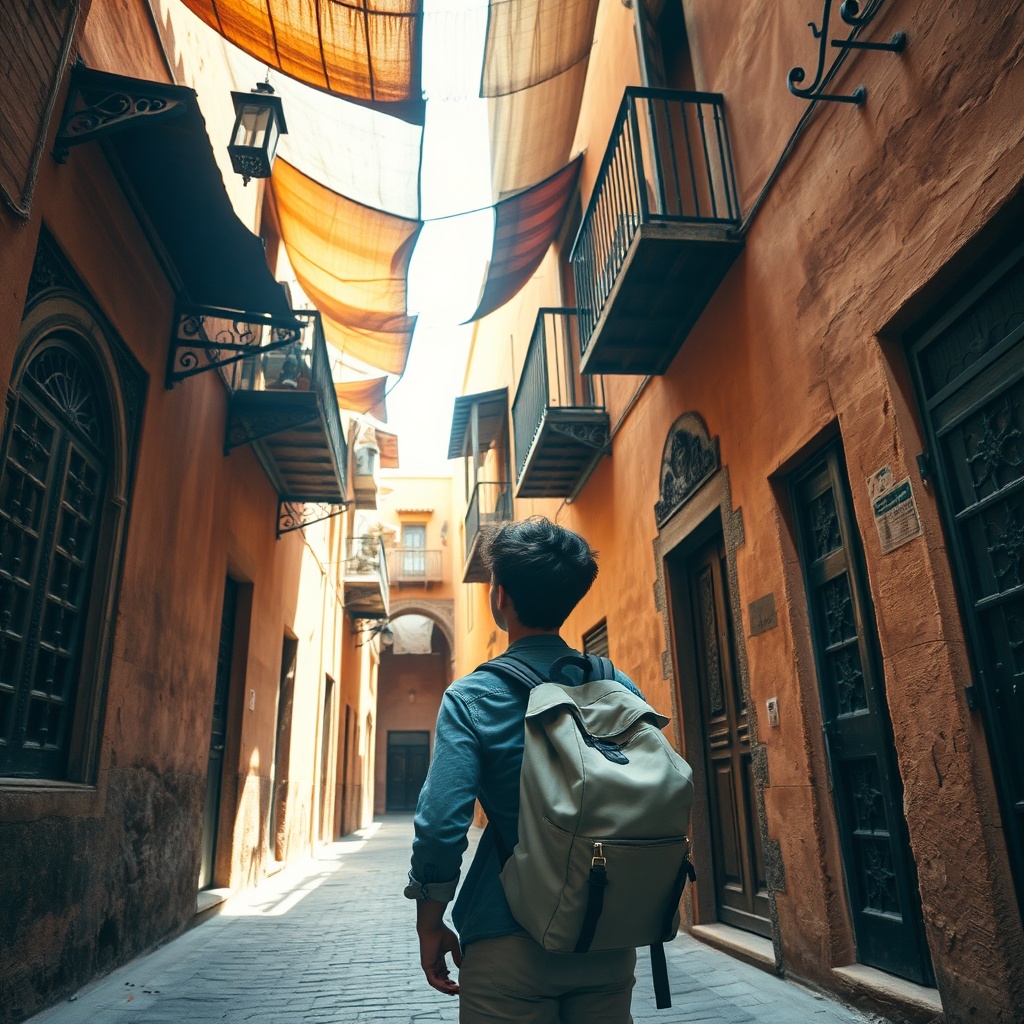
Captures the labyrinthine charm and sensory immersion of exploring Fez for the first time.
The Definitive Overview: A 90-Second Orientation
Fes el-Bali is the oldest of Fez’s two medinas, and one of the most complete medieval cities in the Arab world. It is a walled, car-free quarter where the streets are too narrow for vehicles, so goods move by donkey and handcart. Enter through the famous blue gate, Bab Boujloud, and you step straight into a dense urban fabric of houses, mosques, madrasas, souks, and artisan workshops. The key mindset shift is this: you are not visiting a monument. You are entering a city that has been operating continuously for over a thousand years, and it has not been tidied up for tourists.
Definition: Fes el-Bali is the oldest and largest of Fez’s two medinas, a walled, car-free quarter of the city that has been a UNESCO World Heritage Site since 1981.
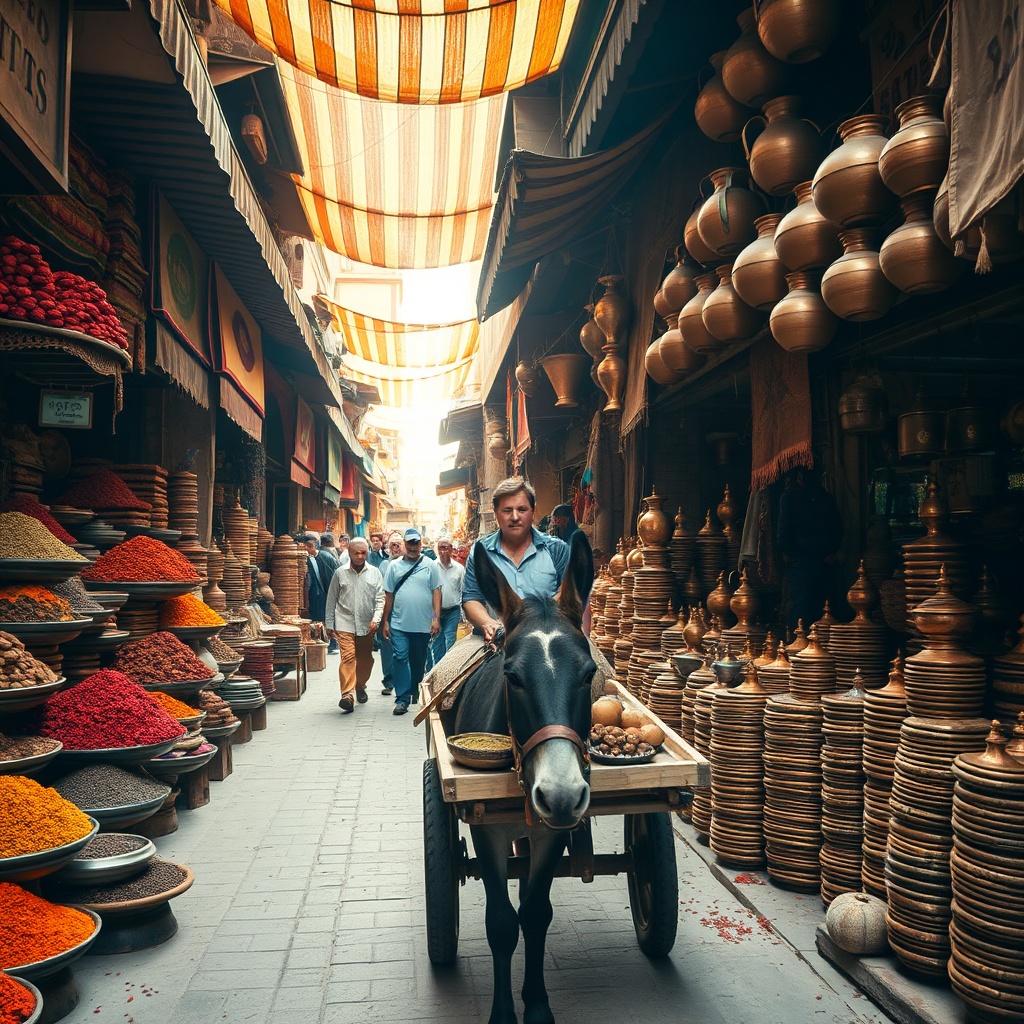
Highlights the vibrant artisan culture and sensory richness of the medina for newcomers.
The Single Most Important Rule: Embrace Getting Lost
The medina is a maze by design. There are no straight lines, no grid, and no logical map that will make sense to you on your first day. This is not a problem to be solved — it is the experience itself. When you turn down a side alley and realise you have no idea where you are, you have not failed. You have found a part of the city that most visitors rush past. The best strategy is to let yourself wander, then use a few reliable landmarks to reorient when you need to get back.
Quick Answer: Is getting lost in the Fez medina a problem? No — getting lost is the point. The maze-like layout is designed to be wandered, and every wrong turn leads to a discovery. Use landmarks like Bab Boujloud and the Bou Inania Madrasa to reorient when needed.
What « First-Time Visitor » Really Means in Fez
The Fez medina is not a theme park and it is not a museum. It is a living, working city where people live, shop, pray, and go about their daily business. best Fes in the Summer – What to Expect, Things to Do & How to Get Around changes your expectations in a few important ways. You will see laundry hanging above the street, children running to school, and craftsmen hammering metal in open workshops. The streets are not staged for your visit, which means the experience is more authentic but also more chaotic. Expect noise, crowds, and the occasional donkey blocking your path — that is the city being itself.
Navigating the Fez Medina: Your First Hour Without a Guide
Step-by-Step: Your First Hour in the Medina
If you choose not to hire a guide, here is a simple five-step plan for your first hour:
- Arrive at Bab Boujloud — the main gate — and take a minute to orient yourself before walking in.
- Walk straight down Talaa Kebira, the main street, and resist the urge to turn off immediately. This gives you a mental anchor.
- Stop at the Bou Inania Madrasa, a landmark on the main street, to establish a reference point you can return to.
- Turn into a side alley and allow yourself to get lost for 10 minutes. Explore without worrying about where you are.
- Ask a shopkeeper for directions back to a known landmark, using a landmark name rather than a street name. « How do I get back to Bab Boujloud? » works far better than asking for a street you cannot pronounce.
The Art of Asking for Directions (and Who to Trust)
Not everyone you ask is equally reliable. The people you can generally trust for directions are shopkeepers who are sitting in their own shops, women in the street, and other visitors who look as lost as you do. The people you should be cautious of are young men who approach you first, offer to help, and then lead you to a shop or a carpet showroom. A firm but polite « No, thank you » — sometimes repeated several times — is the standard response.
recommended A Comprehensive Guide to Traveling from Casablanca to Fez: Transfers, Tips, and Recommendations when you need help, use this phrasing: « Excuse me, how do I get back to Bab Boujloud? » or « Which way to the Bou Inania Madrasa? » Using a landmark name makes it easy for anyone to point you in the right direction, even if they do not speak much English or French.
When to Hire a Guide vs. Going Solo
A guide is not mandatory, but it can be genuinely useful. A licensed guide — certified by the Moroccan government — can give you historical context, take you to workshops you would not find on your own, and help you navigate the souks without being targeted by touts. Going solo, on the other hand, gives you the freedom to wander at your own pace and the satisfaction of finding your own way.
The trade-off is simple: a guide is worth it if you want depth and efficiency; going solo is worth it if you want spontaneity and a more personal experience. If you do hire one, arrange it through your riad or an official tourist office to avoid unlicensed touts who approach you on the street.
Quick Answer: Do I need a guide for the Fez medina? No, but a licensed guide can help. You can explore safely on your own by following the main street (Talaa Kebira) and using landmarks to navigate.
The Essential First-Visit Sights: What to Prioritise and What to Skip
The Three Must-See Experiences
| Experience | Why It Matters | Time Needed | Best For |
|---|---|---|---|
| Bou Inania Madrasa | A 14th-century masterpiece of Merinid architecture, with a stunning courtyard and carved woodwork. | 20–30 minutes | First-time visitors who want a quiet break from the souks |
| Chouara Tannery | One of the oldest tanneries in the world, where leather is still processed using traditional methods. | 30–45 minutes | Seeing a medieval craft in action |
| Bab Boujloud (Blue Gate) | The ornate blue-and-green gate built in 1913, the most famous entrance to the medina. | 10–15 minutes | Taking photos and getting your bearings |
The Bou Inania Madrasa is one of the few madrasas in Morocco that is open to non-Muslim visitors, and it is well worth the small entrance fee. The Chouara Tannery is best viewed from the terraces of the leather shops that surround it — you will smell it before you see it, and the shop owners will expect a small tip for letting you use their terrace. Bab Boujloud is free and is the easiest place to start and end your walk.
The Hidden Gems That Are Worth the Detour
Beyond the big three, the medina rewards those who wander off the main street. Look for the University of al-Qarawiyyin, founded in 859 and widely recognised as the oldest continuously operating university in the world. Non-Muslims are generally not able to enter the mosque itself, but the surrounding area is worth a detour for its historic atmosphere. The library nearby has been restored and is occasionally accessible.
Other hidden gems include small artisan workshops where coppersmiths hammer
Conclusion
Exploring the Fez medina as a first-time visitor is an unforgettable journey into a living, breathing medieval city. From the intricate beauty of the Bou Inania Madrasa to the historic craft of the Chouara Tannery and the iconic Blue Gate, the medina offers a sensory experience that no other city can match. Whether you choose to wander solo with a map in hand or hire a licensed guide for deeper insight, the key is to embrace the maze and use landmarks as your compass. You don’t need to see everything—just the sights that resonate with you. For the fez medina first time visitor, the real magic lies in getting lost, then finding your way back with a story to tell. So pack your walking shoes, keep your wits about you, and step into the labyrinth. Your adventure starts now.
FAQ
1. Do I need a guide for my first visit to the Fez medina?
No, but a licensed guide can significantly enhance your experience. You can explore safely on your own by sticking to the main street (Talaa Kebira) and using landmarks like Bab Boujloud or the Bou Inania Madrasa to navigate. However, if you want historical context, access to artisan workshops you might not find alone, and help avoiding touts, a guide is worth it. If you do hire one, always arrange it through your riad or the official tourist office to ensure they are certified. Unlicensed guides who approach you on the street should be politely declined.
2. What is the best way to avoid getting lost in the medina?
The medina is a maze, but you can navigate it successfully by using landmarks instead of street names. Start at Bab Boujloud (the Blue Gate) and follow the main thoroughfare, Talaa Kebira, which runs through the heart of the medina. Major landmarks like the Bou Inania Madrasa, the Chouara Tannery, and the University of al-Qarawiyyin act as reliable reference points. If you do get lost, ask for directions using a nearby landmark—for example, « Which way to the Bou Inania Madrasa? »—as locals are more likely to point you in the right direction when you reference a known place.
3. Is the Fez medina safe for a solo traveler?
Yes, the Fez medina is generally safe for solo travelers, but it requires a certain level of street awareness. The main risks are not theft but persistent touts and shop owners who may try to lead you to their stores. Keep your valuables secure, avoid displaying expensive items, and be firm but polite when declining offers. Walking confidently and sticking to well-frequented streets during daylight hours will keep you safe. At night, it is best to have a clear route back to your riad or to arrange for someone to meet you.
4. What should I wear when visiting the Fez medina?
Dress modestly and comfortably, as Morocco is a conservative country. For women, loose-fitting clothing that covers the shoulders and knees is recommended. For men, casual trousers and a t-shirt are fine. Wear comfortable walking shoes, as the medina’s streets are uneven and can be slippery. Also, be prepared for temperature changes—mornings and evenings can be cool, while afternoons can be hot. A light scarf or shawl is useful for covering your head or shoulders if you visit a religious site or need extra warmth.
5. How do I handle the tip expected at the Chouara Tannery?
The Chouara Tannery is best viewed from the terraces of the surrounding leather shops. The shop owners will expect a small tip—usually 5 to 10 Moroccan dirhams—for letting you use their terrace to view the tannery. This is a customary practice rather than a formal fee. Have small change ready, and do not feel pressured to buy anything from the shop. The view from the terrace is the main attraction, and the tip is a fair exchange for access to that vantage point. You will also be given fresh mint leaves to help mask the strong smell of the tannery.
