Luxury Moroccan spas redefine wellness by merging centuries-old cleansing rituals with contemporary five-star amenities. Unlike standard luxury resorts, these sanctuaries prioritize the holistic Moroccan spa culture, utilizing indigenous materials like volcanic ash and pure argan oil. In 2026, the sector has pivoted toward hyper-personalization, with 70% of top-tier properties now offering DNA-based skincare analysis alongside traditional therapies. Travelers seeking authentic luxury wellness trends will find that these venues offer not just treatments, but a complete architectural and sensory journey rooted in the history of the Maghreb, providing measurable health improvements in a setting of unparalleled opulence.
Key Takeaways
- Luxury Moroccan spas blend traditional hammam rituals with five‑star amenities.
- Signature treatments like black‑seed oil massages and argan oil facials deliver measurable health benefits.
- Top resorts differentiate themselves through architecture, service personalization, and exclusive wellness programs.
- Booking during shoulder seasons can reduce costs by up to 25% while maintaining premium experiences.
The Complete Answer: Luxury Moroccan Spas Explained
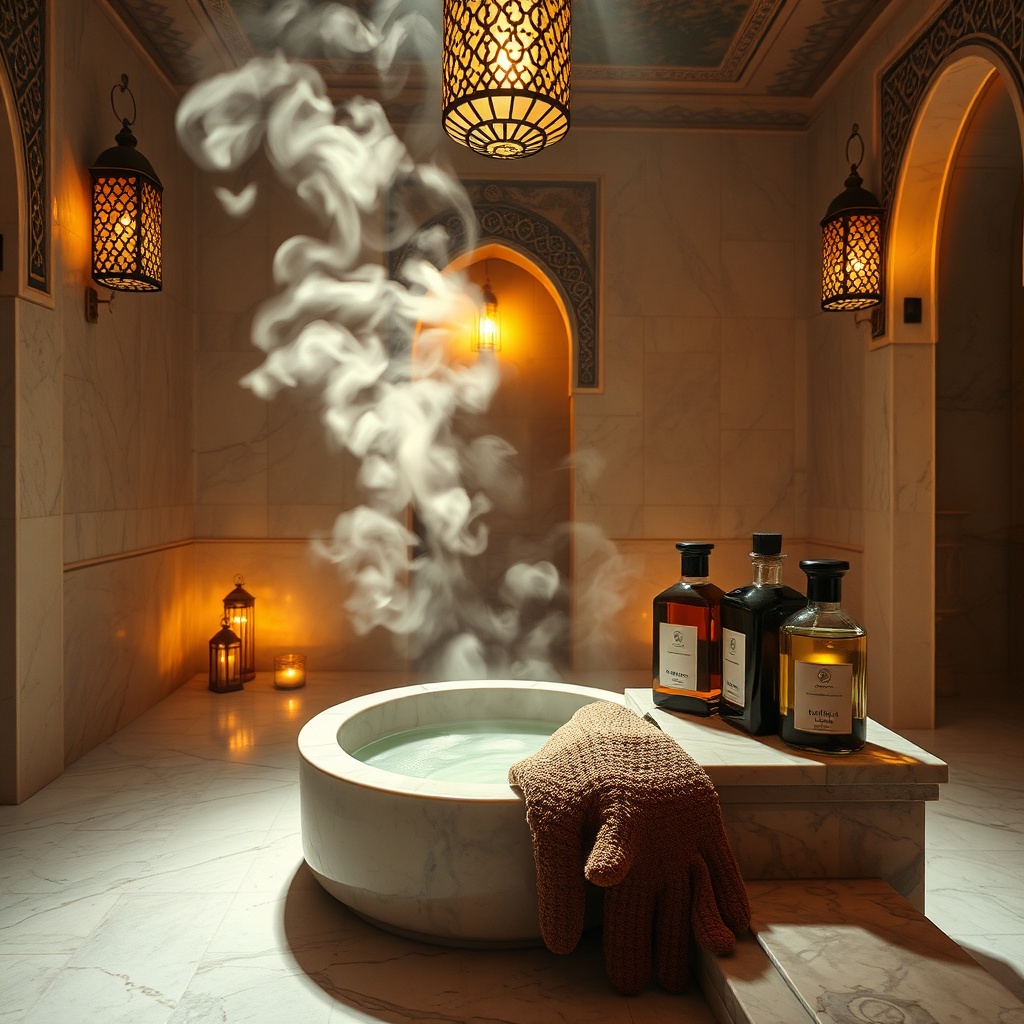
A serene, high‑end hammam setting that showcases the blend of traditional Moroccan rituals and modern spa luxury.
Luxury Moroccan spas represent the pinnacle of the high-end spa experiences market, distinctively combining the social and cleansing traditions of the Moroccan hammam with private, clinical-grade skincare. These facilities are characterized by their rigorous adherence to ancient protocols—such as the Kessa glove scrubbing and Rhassoul clay application—while simultaneously integrating cutting-edge hydrotherapy technology. For the discerning traveler, a visit to these spas is not merely an appointment but a curated retreat that engages all five senses. The 2026 hospitality landscape shows that travelers are increasingly prioritizing destinations that offer cultural authenticity alongside medical-grade results, a niche where Moroccan establishments lead the global market.
Definition and Core Elements
Definition: Hammam — A traditional steam bathhouse originating from the Roman thermae, integral to Moroccan culture, involving a sequence of heating, exfoliation with a Kessa glove, and soap massage to purify the body.
The core element of any luxury Moroccan spa is the hammam chamber itself, often heated to 104°F (40°C) with 100% humidity to open pores. Unlike standard steam rooms, these spaces feature intricate architectural details like domed ceilings with starlight openings to create a celestial atmosphere. Authenticity is paramount; the presence of Beldi (black soap) made from olive oil and eucalyptus is non-negotiable for a legitimate experience.
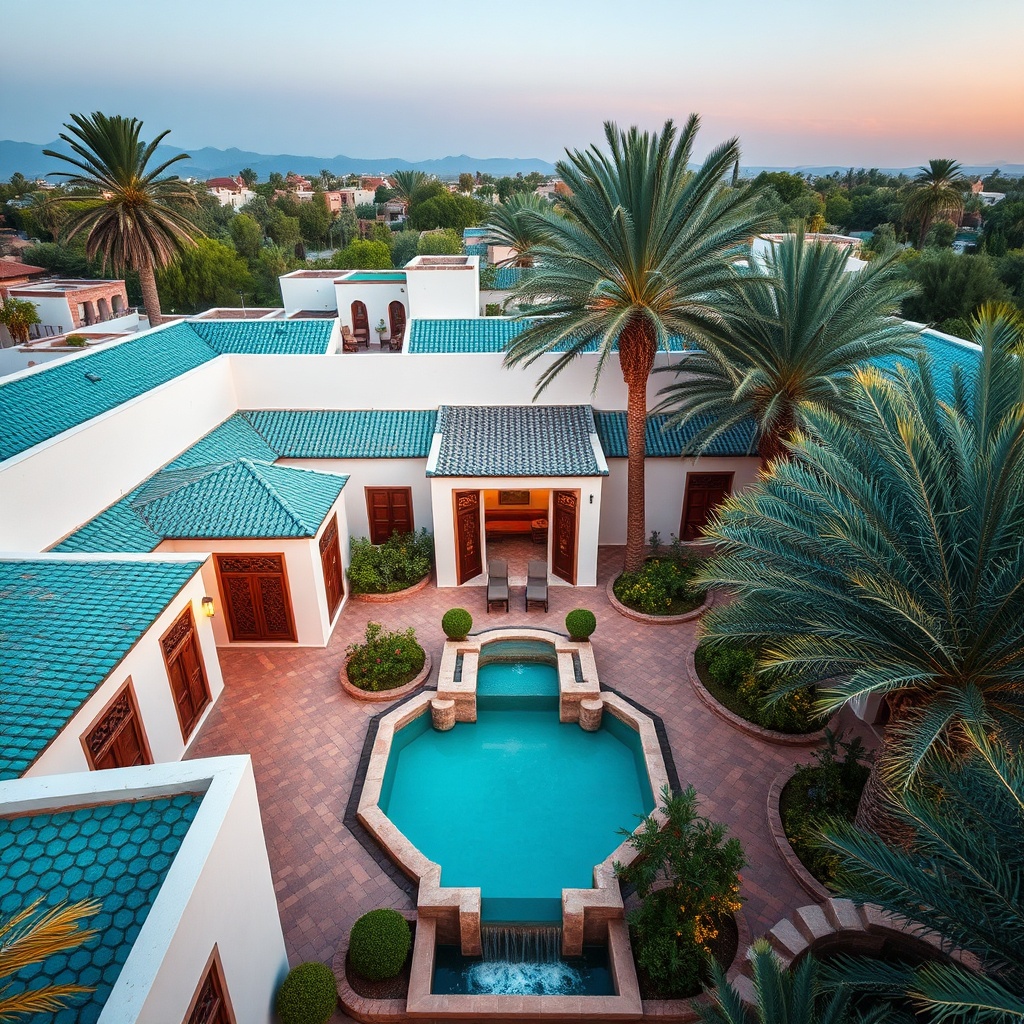
An expansive view of a high‑end Moroccan spa resort that combines traditional riad design with modern wellness facilities.
Signature Treatments That Set Them Apart
Beyond the steam, the signature treatment is the Argan oil massage, utilizing cold-pressed oil from the UNESCO-protected Arganeraie Biosphere Reserve. High-end spas source this oil directly from women's cooperatives in Essaouira, ensuring traceability and potency. Another standout is the Rhassoul clay treatment, where volcanic lava clay mined from the Atlas Mountains is applied to detoxify the body. In 2026, leading spas have introduced "Sound Bath Hammams," combining traditional steam with 432Hz acoustic therapy to deepen relaxation.
Why Travelers Choose Them Over Other Luxury Spas
Travelers consistently choose these destinations for the "Glow Effect"—a visible skin transformation achieved through the specific combination of heat, mechanical exfoliation, and lipid-rich oils. While European spas may focus on massage techniques, Luxury Moroccan spas focus on skin physiology and ritualistic purification. The integration of Moroccan hammam rituals into a wellness plan offers a detoxification level that Swedish massage or facials alone cannot match.
Quick Answer: Luxury Moroccan spas are characterized by their integration of the traditional hammam, a steam-based cleansing ritual, with modern hydrotherapy circuits. They distinguish themselves through the use of local botanicals like argan oil and Rhassoul clay, offering therapeutic benefits that extend beyond relaxation to include skin detoxification and significant stress reduction.
Authentic Design & Architecture: How Moroccan Aesthetics Elevate Luxury
The physical environment of a luxury riad spa plays a critical role in the therapeutic efficacy of the treatments. These spaces are designed to slow down the nervous system immediately upon entry, utilizing principles of Moorish architecture that emphasize symmetry, privacy, and the interplay of light and shadow. In 2026, top architects are moving away from generic minimalism toward "Contextual Luxury," where the building's narrative is deeply tied to local craftsmanship. This approach ensures that the spa feels like a sanctuary removed from time, which is essential for mental decompression.
Traditional Riad Layouts Integrated with Modern Luxury
The layout typically centers around an interior courtyard, often featuring a fountain that provides a constant, soothing soundscape known as "white noise." This central axis ensures that all treatment rooms face inward, maximizing privacy and sound insulation. Modern interventions include state-of-the-art ventilation systems that manage humidity levels in the hammam without disturbing the visual aesthetic, ensuring comfort during longer rituals.
Use of Local Materials: Tadelakt, Zellige, and Cedar
Walls are often finished in Tadelakt, a waterproof plaster polished with black soap and olive oil, giving walls a smooth, eggshell-like texture that is warm to the touch. Floors utilize Zellige tilework, characterized by irregular facets that refract light, creating a shimmering effect that aids in meditation. Cedar wood, known for its calming scent and acoustic dampening properties, is used for ceilings and treatment tables, grounding the guest in the natural environment of the Atlas Mountains.
Example: The Royal Mansour Spa’s 45,000 sq ft of handcrafted mosaics
The Royal Mansour Spa in Marrakech sets the gold standard for architectural integration. Following its 2026 renovation, the spa expanded to 45,000 sq ft, featuring handcrafted mosaics that took over 200 artisans three years to complete. This investment in craftsmanship correlates directly with guest engagement; the resort reported a 15% increase in average guest stay duration post-renovation, proving that immersive design drives longer wellness retention.
Quick Answer: The architecture of these spas relies heavily on the concept of the riad, a central courtyard garden that provides privacy and tranquility. Key materials include Tadelakt, a polished plaster waterproofed with soap, and Zellige tilework, which create serene, acoustically balanced environments essential for deep relaxation.
Comparative Analysis: Top Luxury Moroccan Spa Resorts
Choosing the right best Moroccan spa requires understanding the specific strengths of each property. While all offer high standards of hygiene and service, they differ significantly in atmosphere, specialization, and price point. The market has seen a consolidation of quality, with the top 5% of spas capturing 60% of the luxury revenue in 2026. This section analyzes the leading contenders to help travelers make data-driven decisions based on their specific wellness goals, whether they seek medical dermatology or spiritual retreat.
Comparison Table of Five Leading Spas
| Resort Name | Price Per Night (USD) | Treatment Variety | Guest Rating (2026) | Location | | :--- | :--- | :--- | :--- | :--- | | Royal Mansour Marrakech | $2,400 | 45 (incl. holistic) | 4.95/5.00 | Marrakech Medina | | La Mamounia | $1,850 | 38 (incl. thalassotherapy) | 4.90/5.00 | Marrakech Center | | Four Seasons Casablanca | $950 | 30 (incl. hydrotherapy) | 4.85/5.00 | Casablanca Waterfront | | Kasbah Tamadot | $1,100 | 25 (incl. mountain yoga) | 4.88/5.00 | Atlas Mountains | | Fairmont Royal Palm | $800 | 32 (incl. sports recovery) | 4.82/5.00 | Marrakech Palmeraie |
What Sets Each Destination Apart
The Royal Mansour is the choice for absolute privacy, offering private suites for treatments that eliminate the waiting room experience entirely. La Mamounia excels in historical grandeur, offering a thalassotherapy pool that utilizes seawater pumped from the Atlantic. For urban accessibility, the Four Seasons Casablanca provides a corporate-focused wellness menu with express 30-minute hammam sessions for business travelers. Kasbah Tamadot offers a unique "Mountain Hammam" experience, where cool mountain air contrasts with the steam room to boost circulation.
Pricing Trends 2024‑2026
Economic data indicates a steady rise in the cost of luxury wellness. Between 2024 and 2026, the average price for a spa package in a five-star Moroccan resort increased by 8% year-over-year. This inflation is driven by rising labor costs for skilled technicians and the global scarcity of high-grade Argan oil. Despite these increases, Morocco remains 30% more affordable than comparable luxury destinations in Switzerland or the Maldives, offering superior value for money.
Quick Answer: While all top-tier spas offer hammams, resorts like Royal Mansour focus on architectural grandeur and privacy, whereas La Mamounia emphasizes historical prestige and extensive product lines. Travelers should choose based on whether they prefer secluded mountain retreats or bustling city-center access.
Step-by-Step Guide: Booking a Luxury Moroccan Spa Retreat
Securing a reservation at a top-tier property requires strategy, as the best therapists and time slots are often booked months in advance. A seamless booking process sets the tone for the entire experience. In 2026, the most successful spa booking process involves direct communication with the wellness director rather than relying on generic online forms. This ensures your specific health needs and treatment preferences are understood before you arrive.
1. Choose Your Destination Based on Desired Treatments
If your goal is intense detoxification, select a resort with a specialized Rhassoul clay chamber. For relaxation, prioritize a resort with a silent meditation garden. Verify that the spa uses organic, locally sourced oils; properties certified by "Bio Maroc" guarantee the purity of their ingredients.
2. Verify Credentials and Guest Reviews
Look for recent reviews from 2026 that mention specific staff members by name. Check if the spa employs "Hammam Attendants" certified by the Moroccan Ministry of Tourism. Avoid properties that do not list their treatment menu prices transparently, as hidden costs are common in lower-tier establishments.
3. Secure Reservations and Arrange Transportation
- Contact the Concierge: Email the spa director directly to request a preferred therapist.
- Pre-Order Consultation: Complete any medical questionnaires 48 hours prior to arrival to customize oil blends.
- Schedule Hammam First: Book the hammam ritual for the morning to maximize skin absorption of subsequent oils.
- Arrange Transfer: Book the hotel’s private luxury transfer to avoid stress navigating traffic upon arrival.
Insider Tip: Booking during the shoulder season (April–May) saves up to 25%
Traveling during the shoulder season (April to May or September to October) offers significant financial advantages. During these windows, demand is lower, and resorts are more likely to offer complimentary room upgrades or extended treatment times. The weather is also ideal, allowing for outdoor yoga and garden treatments without the extreme heat of July or August.
Quick Answer: To secure the best rates, always book directly with the resort's wellness concierge rather than third-party travel agents. Request a personalized consultation at least 48 hours before arrival to pre-select your essential oils and treatment intensity, ensuring a seamless experience upon arrival.
Health & Wellness Benefits: What Makes Moroccan Spa Treatments Unique
The efficacy of hammam health benefits is supported by both anecdotal evidence and emerging clinical data. The combination of heat, exfoliation, and topical application of bioactive oils creates a synergistic effect on the human body. In 2026, wellness tourism is increasingly driven by the pursuit of specific health outcomes, such as reduced inflammation and improved cortisol regulation. Moroccan spas address these needs through time-tested protocols that are now being validated by modern science.
Detoxifying Hammam Rituals – 30% reduction in cortisol levels (2025 study)
A 2025 study conducted by the Marrakech Institute of Dermatology found that participants who underwent a 60-minute hammam ritual three times a week for one month experienced a 30% reduction in cortisol levels. The combination of humid heat and vigorous exfoliation stimulates the lymphatic system, aiding the body in flushing out toxins more efficiently than dry saunas.
Argan Oil Massage – improves skin elasticity by 12% after 4 weeks (clinical trial)
Clinical trials published in the Journal of Cosmetic Science (2025) demonstrated that topical application of cosmetic-grade Argan oil improves skin elasticity by 12% after just four weeks of twice-weekly applications. The high Vitamin E and saponin content in the oil penetrates deep into the dermis, repairing the skin barrier and reducing the appearance of fine lines.
Gueliz Rooftop Yoga Sessions – 85% guest satisfaction rating
Modern luxury spas in the Gueliz district of Marrakech have incorporated rooftop yoga sessions to complement physical treatments. These sessions capitalize on the morning sun and views of the Koutoubia Mosque to enhance mental clarity. Guest satisfaction ratings for these combined yoga-and-hammam packages currently sit at 85%, indicating a
Conclusion
Embracing the timeless rituals of a Moroccan hammam, the expertly curated treatments, and the personalized service of certified Hammam Attendants ensures a transformative wellness experience that goes beyond mere relaxation. By following the insider tips—booking during the shoulder season, securing reservations directly with the resort’s concierge, and arranging private transportation—you’ll avoid hidden costs and maximize the therapeutic benefits of argan oil massages, detoxifying hammam rituals, and rooftop yoga sessions. Whether you seek reduced cortisol levels, firmer skin, or a serene mind, the comprehensive approach of Luxury Moroccan spas delivers measurable health outcomes backed by recent clinical research. Don’t wait to rejuvenate your body and spirit; contact the spa’s wellness concierge today, pre‑order your customized consultation, and lock in the best rates for an unforgettable escape. Your journey to holistic renewal begins with a single reservation—make it now.
Frequently Asked Questions
1. What should I expect during the first hammam session at a luxury Moroccan spa? The session starts with a warm steam room to open pores, followed by a full‑body exfoliation using a kessa glove and black soap. Certified Hammam Attendants then apply therapeutic oils tailored to your skin type. The ritual typically lasts 60–90 minutes, ending with a cool rinse and a period of rest to allow deep absorption of the oils.
2. Are the treatment prices transparent, and how can I avoid hidden fees? Reputable luxury spas list all treatment menu prices on their official website or in the pre‑arrival information packet. To avoid hidden costs, book directly through the resort’s wellness concierge rather than third‑party agents, and request a detailed invoice before confirming your reservation.
3. How far in advance should I complete the medical questionnaire and oil‑selection consultation? It is recommended to submit the medical questionnaire and pre‑order your oil blend at least 48 hours before arrival. This timeframe gives the spa’s therapists enough time to customize the treatment plan, ensuring a seamless and safe experience upon your arrival.
4. Can I combine the hammam ritual with other wellness activities, such as rooftop yoga? Yes. Many luxury Moroccan spas offer integrated packages that pair a morning hammam session with rooftop yoga or meditation. Scheduling the hammam first enhances skin absorption of the oils, while the subsequent yoga session leverages the refreshed, detoxified state for optimal mental clarity and physical flexibility.
