The Ultimate Morocco Packing List for 2026: Essentials for Every Season
Creating the perfect Morocco packing list requires balancing comfort with cultural respect, as the country’s climate shifts dramatically from the humid coast to the arid Sahara. You must prepare for scorching days that turn into frigid nights, particularly in the desert and mountains, while adhering to modest dress standards. In 2026, travel trends lean heavily towards sustainable and multi-functional gear, allowing you to pack lighter without sacrificing utility. Whether you are navigating the labyrinthine streets of Fez or camping under the stars in Merzouga, your luggage needs to be versatile. This guide ensures you bring exactly what you need for a seamless journey through North Africa’s most captivating destination.
Key Takeaways
- Prioritize breathable, loose-fitting clothing to respect local modesty customs while staying cool in the heat.
- Pack layers, as temperatures can drop drastically in the desert and the Atlas Mountains even during summer months.
- Bring universal travel adapters (Type C and F) and a portable power bank to stay connected in remote areas.
- Carry high-quality walking shoes with closed toes to navigate uneven medina streets safely.
The Definitive Morocco Packing List: Absolute Non-Negotiables
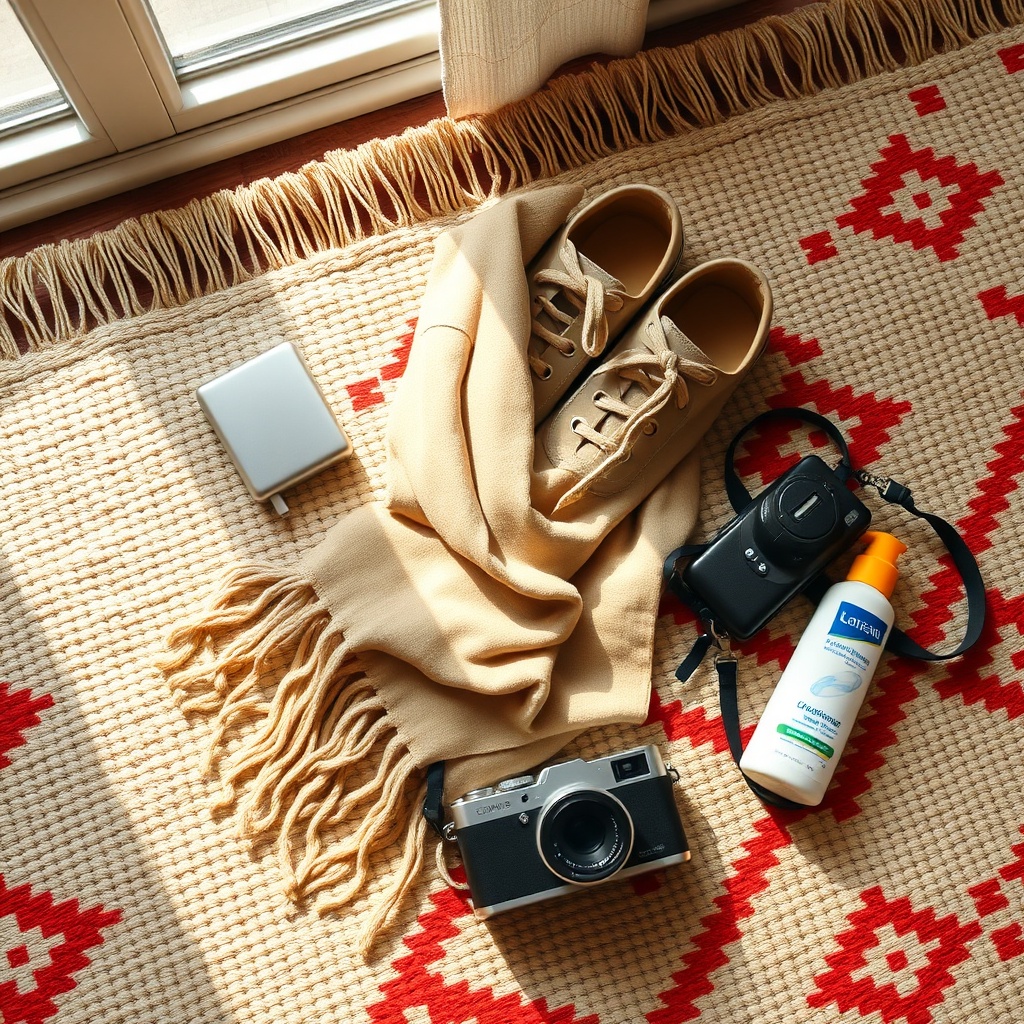
A curated collection of non-negotiable items for a Morocco trip, highlighting footwear and electronics.
When curating your Morocco packing list, start with the absolute non-negotiables that ensure your entry and basic survival in the country. These are the items you simply cannot function without, regardless of whether you are staying in a luxury riad or a budget hostel. Overlooking these essentials can lead to unnecessary stress, bureaucratic headaches, or safety issues upon arrival. Focus on securing your documentation, financial access, and power needs before worrying about clothing or luxury items.
Valid Passport and Travel Documents
Your passport is your most critical asset. Ensure it is valid for at least six months beyond your planned entry date in 2026; border agents are strict about this rule and may deny entry otherwise. You should carry printed copies of your accommodation bookings, flight itineraries, and travel insurance policy. While digital copies on your phone are convenient, having physical hardcopies is invaluable if your device runs out of battery or is lost. It is also wise to store digital scans of these documents in a secure cloud storage folder accessible from anywhere.
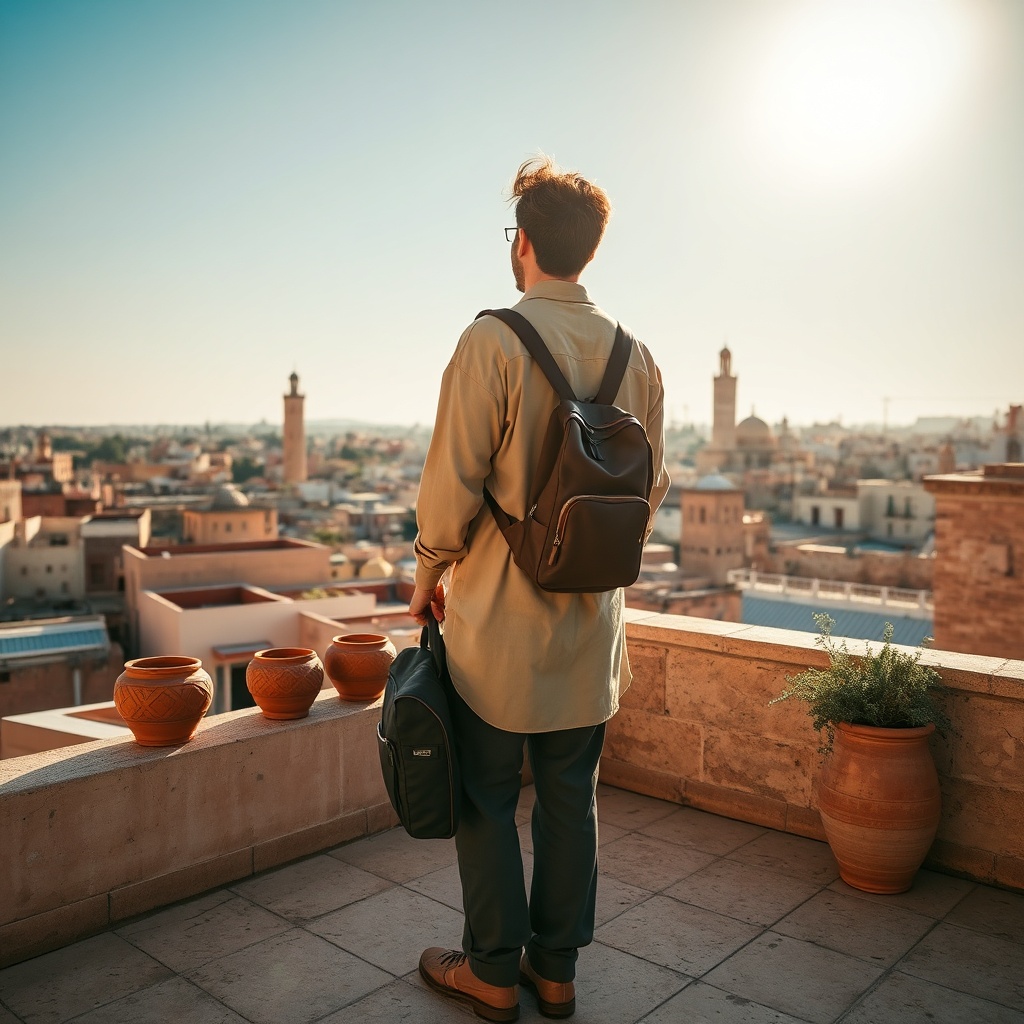
A traveler showcasing modest and versatile clothing while exploring the rooftops of Morocco.
Currency and Payment Methods
Cash remains king in Morocco, especially within the winding souks and rural areas. You must carry a mix of Moroccan Dirham currency (MAD) for daily purchases. While credit and debit cards are widely accepted in hotels, high-end restaurants, and larger malls in cities like Casablanca and Rabat, many smaller vendors and riads operate on a cash-only basis. Bring a credit card with no foreign transaction fees to save on costs, but always have enough cash for tips, taxis, and street food. ATMs are plentiful in cities, but they can be unreliable in remote regions like the Atlas Mountains.
Universal Power Adapter and Voltage Converter
Do not arrive without the correct charging gear. Morocco operates on a 220V supply voltage and uses primarily Type C and Type F plugs. You need a universal travel adapter that accommodates these shapes to keep your devices charged. Furthermore, include a high-capacity Morocco power adapter type C compatible power bank. This is crucial for long bus rides or overnight desert camps where electricity access is limited or non-existent. A 20,000 mAh power bank will ensure your phone and camera stay active throughout your excursions.
Quick Answer: What are the three most critical items for entry?
A valid passport with six months validity remaining beyond your 2026 entry date, printed copies of all travel insurance and accommodation documents, and a small amount of initial Moroccan Dirham currency for immediate expenses upon arrival.
Navigating Cultural Dress Codes: Modesty Meets Functionality
Understanding what to wear in Morocco is about more than just fashion; it is a sign of respect for the local Islamic culture. While you are not expected to dress like a local, adhering to a general Morocco dress code will significantly reduce unwanted attention and help you blend in. The goal is to find a middle ground where you remain cool in the heat without exposing excessive skin. This balance is achieved through strategic fabric choices and specific garment cuts that offer coverage without causing discomfort.
Clothing Fabrics and Cuts
Opt for natural, breathable fabrics like linen, cotton, or bamboo which allow air circulation and wick away sweat. Synthetic materials can trap heat and become uncomfortable in the Moroccan sun. Avoid transparent materials regardless of the temperature. For men and women alike, aim for clothing that covers the shoulders and knees. T-shirts are fine, but tank tops should be avoided. Loose-fitting trousers or long skirts are preferable to tight jeans or short shorts. This modest clothing for morocco approach is not just about cultural adherence; it also provides physical protection against the harsh sun.
The Multi-Purpose Scarf or Pashmina
A large scarf or pashmina is arguably the most versatile item in your suitcase. It serves multiple functions beyond a simple fashion accessory. Women can use it to cover their hair when entering religious sites or more conservative rural areas. For everyone, it acts as a shield against the sun, a dust guard during windy treks, and even a makeshift pillow on long train journeys. A scarf for head and shoulders made of lightweight cotton or linen is ideal; it packs down small but offers immense utility in various social and environmental situations.
Footwear for the Medina
The streets of Morocco’s ancient medinas are notoriously uneven, filled with slippery cobblestones, unexpected steps, and stray animals. Sandals might seem appealing in the heat, but they leave your feet vulnerable to dirt and injury. You should prioritize comfortable walking shoes with closed toes. Stylish sneakers or leather loafers provide the necessary grip and support. If you plan on doing significant hiking, a sturdy pair of broken-in hiking boots is essential. Avoid bringing brand new white shoes, as they will likely get dusty and stained very quickly.
Definition: Modesty in Moroccan Culture
Modesty refers to the practice of dressing and behaving in a way that does not draw excessive attention to oneself, particularly regarding the body. In Morocco, this generally implies wearing clothing that covers the shoulders, cleavage, and knees for both men and women, reflecting the country’s Islamic values and social norms.
Conquering the Elements: Gear for the Sahara and Atlas Mountains
Morocco’s geography is incredibly diverse, meaning your Sahara desert packing list will look vastly different from your gear for a coastal stay. The country offers extreme environments where Morocco weather by season can fluctuate wildly within a single day. You must be prepared for the biting cold of the High Atlas winds and the searing heat of the dunes. Proper gear ensures that these natural wonders remain highlights of your trip rather than sources of misery.
Desert Survival Essentials
The sun in the Sahara is unforgiving, capable of causing severe sunburn and heatstroke within hours. You must pack wrap-around sunglasses to protect your eyes from blowing sand and UV rays from all angles. A wide-brimmed hat or a cap with a neck flap is non-negotiable for shielding your face and neck. High-SPF sunscreen should be applied liberally and frequently. If you are visiting between October and March 2026, nights in the desert can approach freezing. In these cooler months, a sleeping bag liner is essential for hygiene and added warmth inside the provided blankets at desert camps.
Layering for High Altitudes
The Atlas Mountains offer a stark contrast to the lowland valleys. Even in April or May, temperatures at higher elevations like Toubkal or Oukaïmeden can dip near freezing. You cannot rely on a single heavy jacket; instead, use a layering system. Start with a moisture-wicking base layer, add an insulating mid-layer like a fleece or a light down jacket, and top it with a waterproof and windproof outer shell. This system allows you to adjust your body temperature as you hike uphill or stop for breaks. A beanie and gloves are also smart additions if your itinerary includes high-altitude passes.
Dust and Wind Protection
The erg chebbi dunes are famous for their winds, which can whip fine sand into every crevice of your body and gear. Sahara desert essentials must include protection against these elements. A buff or bandana is superior to a standard scarf for covering your face and nose during sandstorms, as it seals tighter and stays in place. Moisturizing eye drops are a lifesaver in the dry, dusty air, preventing irritation and grit from building up in your eyes. You should also pack a small brush to clean sand out of camera lenses and electronics, as the fine dust can be damaging to mechanical parts.
Quick Answer: Why is layering critical in Morocco?
Temperatures in the Atlas Mountains and Sahara Desert can drop from 30°C (86°F) during the day to near 0°C (32°F) at night. Layering allows you to adapt to these extreme shifts by adding or removing insulating garments without carrying bulky, heavy coats.
Health and Hygiene: Staying Fresh on the Go
Maintaining personal hygiene while traveling through Morocco requires preparation, especially if you plan to stay in traditional riads or venture into rural areas. Morocco travel health is generally manageable with the right precautions. Water conservation is often practiced in riads, and public restrooms in bus stations or older medinas may lack soap or toilet paper. Being self-sufficient in your hygiene routine ensures you stay healthy and comfortable throughout your trip.
The Traveler’s Pharmacy Kit
Digestive issues are the most common ailment for travelers, often due to changes in water mineral content or spicy foods. You should include anti diarrhea medication such as Imodium or loperamide to manage symptoms quickly. Activated charcoal tablets are also excellent for settling stomachs and absorbing toxins. A small first-aid kit with antiseptic cream, band-aids, and pain relievers (ibuprofen or paracetamol) is essential for treating minor cuts and headaches. While pharmacies in Morocco are excellent and well-stocked, having these basics on hand is vital for overnight desert trips or long train rides where access to a store is impossible.
Water Purification and Hydration
Staying hydrated is paramount, but tap water is not safe for foreigners to drink directly. Buying plastic bottles creates significant waste, so a more sustainable solution is preferred. Bring a reusable filtered water bottle, such as those made by LifeStraw or Brita, which filter bacteria and parasites. This allows you to fill up from taps safely and reduce your plastic footprint. In the desert heat, you should aim to drink at least 2-3 liters of water daily. Electrolyte powder packets are also a great addition to your kit to replenish salts lost through sweating.
Wet Wipes and Hand Sanitizer
Sanitation standards vary, and keeping your hands clean is your first line of defense against illness. Carry a small bottle of hand sanitizer in your day pack for use before meals and after touching currency or animals. Toilet paper and wet wipes are rarely provided in public restrooms, so always carry a travel pack of tissues. Antibacterial wet wipes are useful for a quick « shower » if you are on a long journey or staying somewhere with limited water facilities. Feminine hygiene products should be brought in ample supply, as while they are available in cities, specific brands or tampons can be harder to find in rural towns.
Definition: Traveler’s Diarrhea
A digestive tract disorder that commonly causes loose stools and abdominal cramps, usually caused by consuming contaminated food or water. It is often triggered by exposure to enterotoxigenic Escherichia coli (E. coli) bacteria common in regions with different sanitation standards.
Smart Luggage and Security for 2026
Choosing the right luggage is a foundational step in your Morocco trip preparation. The logistics of moving through the country often involve walking over uneven terrain, navigating crowded train stations, and hauling bags up steep riad staircases. Best luggage for Morocco is defined by durability and portability rather than sheer volume. Furthermore, security is a valid concern in tourist hotspots, so protecting your belongings requires strategic packing choices.
Choosing the Right Bag
Hard-shell suitcases are a poor choice for Morocco. They are difficult to maneuver over the cobblestones of Fez or the sandy paths of the desert. A durable travel backpack or a convertible carry-on suitcase with sturdy, all-terrain wheels is far superior. If you choose a backpack, ensure it has a proper hip belt to distribute weight comfortably during long walks. A soft-sided duffel bag with a shoulder strap is another excellent option, as it can be easily thrown into the back of a 4×4 or onto a camel for a trek. Keep in mind that you will likely carry your own luggage, so keep weight under 15kg if possible.
Anti-Theft Accessories
Petty theft, such as pickpocketing, can occur in crowded souks and markets. You should safeguard your valuables by using a money belt or a neck wallet worn under your clothing to store your passport and excess cash. Never keep all your cash and cards in one place; split them between different bags and pockets. TSA-approved luggage locks are useful for securing your zippers when you leave your bag in a hotel room or a hostel locker. Consider using a bag with locking zippers or a slash-proof strap for your daypack when exploring busy areas like the Jemaa el-Fnaa square.
Laundry Solutions
Laundry services are available in hotels and riads, but they can be surprisingly expensive in tourist-heavy areas. To save money and pack lighter, include laundry solutions in your kit. Travel detergent sheets are lightweight, mess-free, and perfect for hand-washing clothes in a hotel sink. A universal sink stopper is also a handy tool, as many sinks lack plugs. A small, stretchable clothesline with suction cups allows you to dry your laundry in your room or bathroom. By washing clothes every few days, you can pack significantly fewer items and have more space for souvenirs.
Conclusion
Mastering your Morocco packing list is the first step toward a successful adventure in this vibrant country. The philosophy is simple: prioritize versatility, respect local customs through your dress, and prepare for extreme weather variations. By focusing on layers, breathable fabrics, and essential health items, you ensure that you are ready for anything from the snow-capped Atlas Mountains to the breezy Atlantic coast. Remember that most forgotten toiletries or basic clothing items can be purchased locally in the souks, so do not stress over every minor detail. Packing light leaves room in your luggage for the incredible rugs, ceramics, and spices you will undoubtedly want to bring home. Prepare well, pack smart, and get ready to immerse yourself in the magic of Morocco.
FAQ
Is it safe to drink tap water in Morocco?
It is generally not recommended for tourists to drink tap water directly; stick to bottled water or use a high-quality filtered water bottle to avoid stomach upset.
Do I need to dress like a local in Morocco?
While you do not need to wear traditional djellabas, you should dress modestly by covering shoulders and knees to show respect for the local culture.
What type of plug adapter do I need for Morocco?
Morocco typically uses Type C and Type F plugs, operating on a 230V supply voltage, so a European adapter is usually required.
Can I wear shorts in Morocco?
Men can wear shorts in tourist areas and cities, but it is advisable to wear longer shorts. Women should avoid short shorts and opt for skirts or trousers below the knee.
Are there any items I cannot bring into Morocco?
You cannot bring drones without a special permit, and it is illegal to bring religious materials intended for distribution or alcohol in quantities exceeding personal use.
Preparing for your journey to North Africa doesn’t have to be overwhelming if you focus on the essentials. By prioritizing security items like money belts and utilizing space-saving laundry tools such as detergent sheets, you can travel both safely and efficiently. Ultimately, curating the ultimate Morocco packing list is about balancing respect for local customs with personal comfort across varying climates. Whether you are exploring the busy souks or trekking through the mountains, having the right gear allows you to enjoy every moment without worry. Remember to leave extra room in your luggage for the incredible souvenirs you’ll find along the way. Now that you are equipped with these tips, start organizing your suitcase today and get ready for an unforgettable Moroccan experience
