To buy authentic argan oil, you must verify that the ingredient list reads strictly « Argania Spinosa Kernel Oil, » confirm the product is sourced exclusively from Morocco, and ensure it is packaged in dark glass to preserve nutrient density. The global demand for this « liquid gold » has surged in 2026, resulting in a market saturated with adulterated products diluted with cheap fillers like sunflower seed oil or silicone blends. This guide provides a comprehensive, vetted checklist for ensuring purity and sourcing quality, empowering you to distinguish between genuine cold-pressed Moroccan oil and ineffective counterfeits. By understanding exactly what to look for on the label, in the packaging, and through sensory testing, you can confidently invest in a product that delivers the full spectrum of argan oil benefits.
Key Takeaways
- Authentic argan oil must list « 100% Argania Spinosa Kernel Oil » as the sole ingredient.
- Dark glass packaging is non-negotiable for preserving the oil’s fatty acids and Vitamin E.
- Purchasing directly from Moroccan women’s cooperatives ensures fair trade and higher purity standards.
- True raw argan oil has a distinct nutty scent; odorless oil is often highly refined or deodorized.
The Definitive Checklist for Verifying 100% Pure Argan Oil
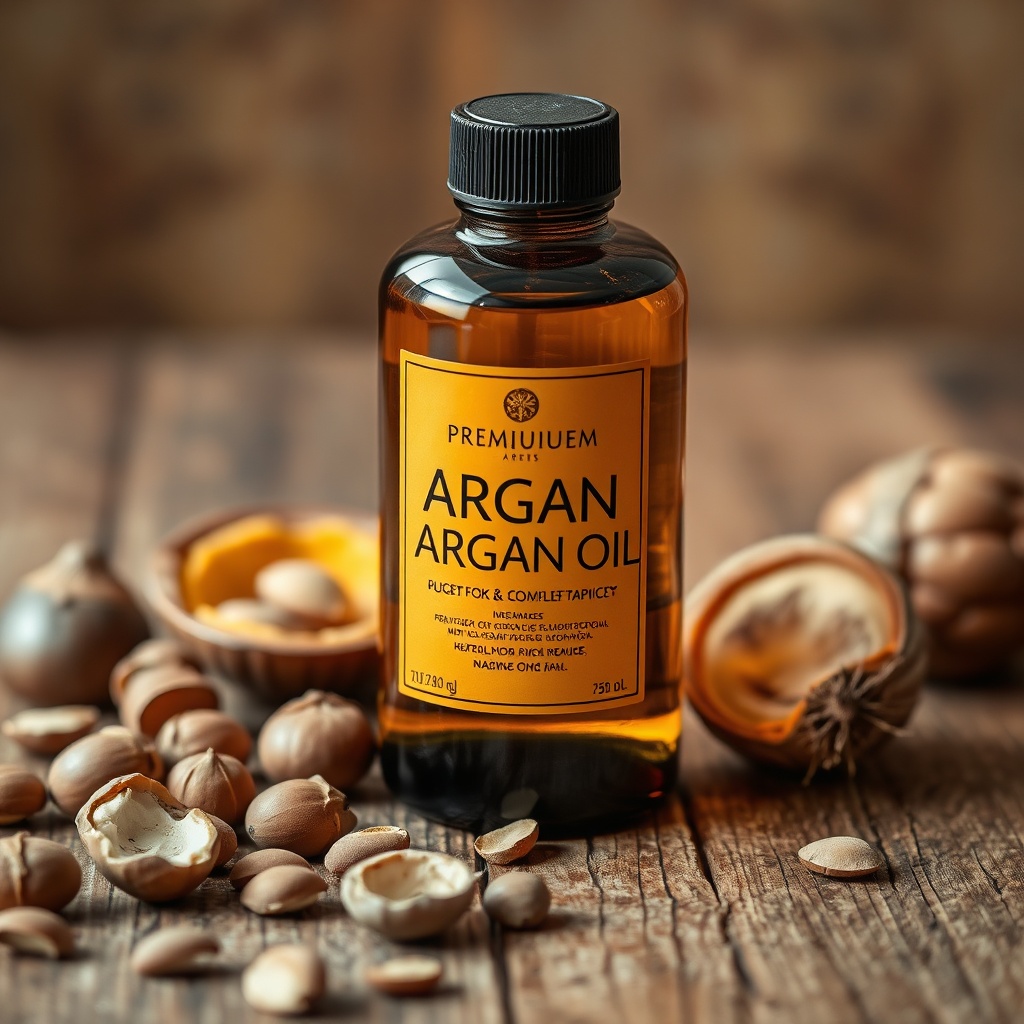
A close-up of authentic argan oil in dark packaging with raw ingredients.
When you decide to buy authentic argan oil, the first and most critical step is analyzing the packaging and labeling information. The market is currently flooded with products that claim to be « Moroccan oil » but contain less than 5% actual plant extract. To ensure you are getting pure argan oil, you must adhere to a non-negotiable set of criteria that serves as your primary filter against low-quality imitations. This checklist strips away marketing buzzwords and focuses solely on physical evidence of quality.
How to Buy Authentic Argan Oil by Analyzing the Ingredient Label
The ingredient label is the single most honest indicator of quality. For a product to be legitimate, the label must read strictly « Argania Spinosa Kernel Oil » or « Argania Spinosa L. » Anything else is an immediate red flag. Be wary of vague terms like « Moroccan Oil » or « Argan Oil Essence » without the Latin botanical name. Furthermore, you must scan for fillers. Many commercial blends add ingredients such as « Parfum » (fragrance), « Isopropyl Myristate, » « D&C Red No. 33, » or « Cyclopentasiloxane. » These are synthetic additives used to mimic the texture of real oil or mask the scent of low-quality base oils. If the bottle contains a blend, it is not real argan oil and will not provide the regenerative virgin argan oil benefits you seek.
Definition: Argania Spinosa Kernel Oil
This is the International Nomenclature of Cosmetic Ingredients (INCI) name for the lipid extracted from the kernels of the argan tree. It signifies that the product contains no carrier oils, synthetic fragrances, or preservatives.
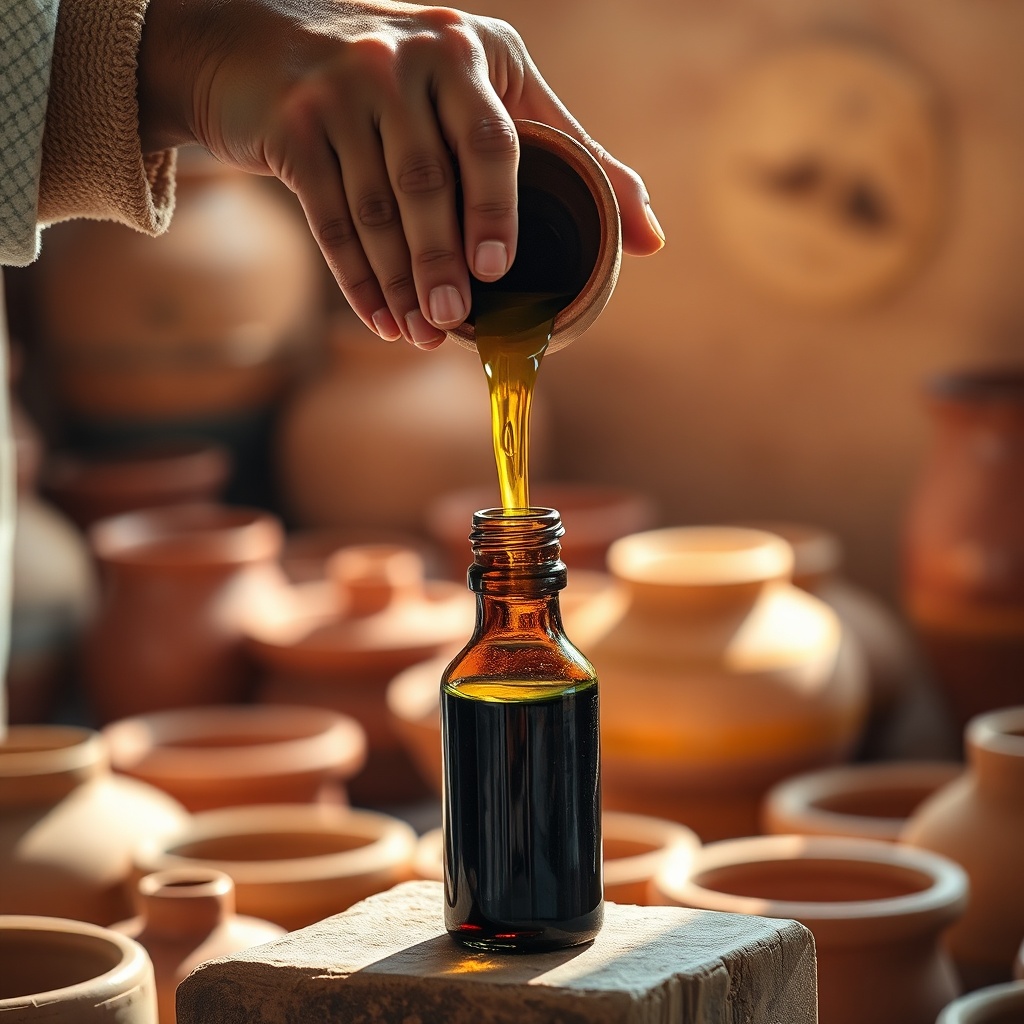
Hands pouring argan oil in a traditional Moroccan setting.
Confirming the Country of Origin
Geographical indication is paramount when purchasing argan oil ingredients. The Argan tree (Argania spinosa) is endemic to a specific region in southwestern Morocco, covering approximately 800,000 hectares. As of 2026, international trade agreements and Moroccan export laws have tightened to protect this designation of origin. Authentic products will explicitly state « Product of Morocco » or « Made in Morocco. »
Oil produced in other countries, even if labeled as argan, is often sourced from seeds pressed elsewhere using industrial methods that degrade the oil. The unique soil composition and climate of the Souss-Massa region directly influence the chemical profile of the oil. If the bottle lists a country other than Morocco, or if the origin is ambiguous, the product lacks the terroir necessary for high potency. Additionally, look for the specific region name, such as Essaouira or Agadir, on the label, which often indicates higher quality control standards compared to generic bulk exports.
Quick Answer: How do I spot fake argan oil immediately?
Flip the bottle to the ingredients panel. If you see anything other than « Argania Spinosa Kernel Oil »—such as « fragrance, » « mineral oil, » or « almond oil »—put it back. Authentic oil contains one ingredient and one ingredient only.
Why Sourcing from Women’s Cooperatives Guarantees Quality
The supply chain of argan oil is just as important as the final product itself. To truly buy authentic argan oil, you should prioritize brands that source directly from Moroccan women’s cooperatives. These cooperatives are not just ethical choices; they are the primary guardians of quality control. Unlike industrial factories that prioritize volume, cooperatives operate on a reputation-based economy where the preservation of traditional methods ensures their survival in the export market.
The Traditional Extraction Process
Authentic argan oil cooperatives utilize the traditional cold-pressing method, often involving mechanical stone mills. This process is labor-intensive; it takes approximately 30 kilograms of fruit and 4 to 5 hours of manual labor to produce just one liter of oil. The kernels are hand-cracked by Berber women before being slowly ground into a paste. This paste is then pressed slowly to extract the oil without generating heat.
In contrast, industrial mass production often uses steel expeller presses that generate high friction and heat. This heat destroys the delicate polyphenols, tocopherols (Vitamin E), and unsaturated fatty acids. Furthermore, industrial processes frequently involve hexane solvents to maximize yield, leaving toxic chemical residues in the final product. When you support cooperatives, you are supporting the argan oil extraction process that retains the highest nutritional value.
The Economic Link to Purity Standards
There is a direct economic correlation between fair trade and chemical purity. Cooperatives in the Essaouira region have established strict internal quality controls in 2026 to maintain their standing in the global market. Because these groups rely on fair trade premiums to sustain their communities, they cannot afford to dilute their oil with cheap fillers. A diluted batch would destroy their reputation with international buyers who seek fair trade argan oil.
Major cooperative unions now implement batch testing to ensure fatty acid profiles meet specific standards. They understand that their economic viability depends on the efficacy of the product. Generic commercial brands, on the other hand, often buy bulk oil on the open commodity market where purity is highly variable. By choosing a cooperative-sourced brand, you are essentially bypassing the middlemen who blend and adulterate the product, ensuring that the oil in your bottle is exactly what came out of the press.
Decoding Certifications: ECOCERT, USDA, and Bio Labels
Certifications act as a third-party verification of what the brand claims. While certifications are not the only way to find quality, they provide a safety net for consumers navigating the market. Understanding what these seals mean is crucial because terms like « Natural » and « Therapeutic Grade » are unregulated and legally meaningless in many jurisdictions. To secure organic argan oil, you must look for specific, audited credentials.
The Importance of ECOCERT Certification
For Moroccan argan oil, the ECOCERT certification is the gold standard. ECOCERT is an organic certification organization based in Europe but operates worldwide with strict standards for Moroccan exports. An ECOCERT label on argan oil verifies that the product is free from pesticides, parabens, phthalates, and synthetic chemicals. Crucially, it also verifies the cold pressed argan oil method.
ECOCERT auditors visit the production sites to ensure that no chemical solvents were used during extraction and that the supply chain is traceable from the forest to the bottle. When you see the ECOCERT Green logo, it guarantees that the oil has met rigorous processing standards. This is particularly important for certified cosmetic argan oil, as it ensures the product is safe for topical application without contaminants that could irritate the skin.
Navigating « Natural » vs. « Organic » Claims
Consumers must be vigilant about the difference between marketing claims and legal certifications. The term « Natural » on a bottle requires no audit and imposes no restrictions on the use of synthetic preservatives or fragrances. A bottle labeled « 100% Natural Argan Oil » could legally contain 90% silicone and 10% argan oil.
Conversely, « Organic » or « Bio » labels require a rigorous audit trail that is valid through 2026 and beyond. Look for the « Bio » seal (common on European imports) or the USDA Organic seal (for US imports). These certifications require that the argan trees are grown without synthetic fertilizers and that the surrounding soil is free from chemical contamination. If you are looking for organic cosmetic grade argan oil, the organic seal is your only guarantee that the product is truly free from agricultural toxins.
Quick Answer: Which certification should I trust most?
For argan oil specifically, prioritize ECOCERT. It is the most rigorous certifier for Moroccan products, verifying both the organic farming methods and the cold-press extraction technique. USDA Organic is also excellent, but ECOCERT is often more specialized to the region.
Packaging Essentials: Why Dark Glass Matters for Potency
Packaging is not merely aesthetic; it is a functional necessity for preserving the bioactive compounds in the oil. A primary indicator of low-quality or counterfeit oil is the use of clear plastic or transparent glass bottles. When you shop, you should expect to see it packaged in opaque, dark glass. This is a non-negotiable feature for protecting the oil’s potency.
The Science of Oxidation and UV Light
Argan oil is rich in tocopherols (Vitamin E) and essential fatty acids, specifically Oleic and Linoleic acid. These compounds are highly susceptible to oxidation when exposed to UV light. Clear bottles allow light rays to penetrate the liquid, initiating a chemical reaction that breaks down these nutrients and turns the oil rancid.
High-quality brands use dark amber or cobalt blue glass bottles to act as a natural UV filter. This ensures the 100 pure argan oil retains its regenerative properties from the production facility to your bathroom shelf. If you see oil stored in a clear plastic bottle, it is almost certainly stale, oxidized, or heavily refined to the point of having no nutritional value left. Always look for an argan oil dark glass bottle to ensure the active ingredients remain stable.
Evaluating Dropper and Pump Mechanisms
The dispensing mechanism also plays a vital role in argan oil storage. While air pumps are convenient, they force a large volume of air into the bottle with every use, accelerating oxidation. A better option for long-term use is a glass dropper insert or a serum pump that minimizes air intake.
For cold pressed Moroccan oil, frequent exposure to air is the enemy. Once opened, the clock starts ticking on rancidity. A dropper allows you to dispense the exact amount needed without flooding the bottle headspace with oxygen. If you purchase a large bottle (100ml or more), consider transferring a small amount into a smaller dark container for daily use to keep the main supply sealed and protected from air exposure as much as possible.
The Sensory Test: Smell, Texture, and Absorption
Once you have the product in hand, your own senses are the most powerful tool for verification. Marketing text can be deceptive, but the physical properties of cosmetic argan oil cannot be faked without significant chemical alteration. By conducting a simple sensory test, you can validate the purity of the oil instantly.
Identifying the Signature Nutty Aroma
One of the biggest misconceptions is that argan oil should be odorless. This is false. Raw argan oil has a distinct, earthy aroma. It should smell like roasted nuts, hazelnuts, or a mild popcorn scent. This scent is a natural byproduct of the kernels and the roasting process used in cosmetic production (culinary is roasted more heavily).
If the oil is completely odorless, it has likely been deodorized using high-heat steam treatment or chemical solvents like hexane. This process strips away the scent along with the nutrients. Conversely, if the oil smells rancid—like old putty, strong paint, or wet cardboard—it has gone bad. Authentic, fresh oil will have a subtle, nutty fragrance that dissipates within a few minutes of application. Understanding the difference between culinary vs cosmetic argan oil is key here; culinary has a stronger toasted scent, while cosmetic is milder but still present.
The Absorption Speed and Residue Test
To test texture and absorption, place a single drop of oil on the back of your hand or cheek. Authentic argan oil is not a heavy grease; it is a dry oil. It should absorb fully into the skin within 5 to 10 minutes.
If the oil sits on top of the skin, leaving a shiny, sticky, or greasy residue, it is likely cut with heavy carrier oils like castor, mineral oil, or synthetic silicones (dimethicone). Real argan oil mimics the skin’s natural lipids and penetrates deeply. It should leave your skin feeling hydrated and soft, not slick. This absorption test is particularly important if you are using the oil for hair growth; silicones can coat the hair shaft and block moisture, whereas pure argan oil nourishes the follicle without buildup.
Definition: Dry Oil
A dry oil is a non-greasy cosmetic oil that absorbs quickly into the skin. Argan oil is classified as a dry oil because of its high concentration of Vitamin E and saponins, which allow it to moisturize without leaving a heavy, occlusive film on the surface.
FAQ
Does real argan oil have a scent? Yes, authentic argan oil should have a mild, nutty aroma similar to roasted hazelnuts or popcorn. If the oil is completely odorless, it has likely been deodorized using chemical solvents or high heat, which strips away beneficial nutrients.
How can I tell if the oil is pure by touching it? Pure argan oil is classified as a « dry oil. » When applied to the skin, it should absorb fully within 5 to 10 minutes without leaving a sticky, greasy, or shiny residue. If it sits on top of the skin, it may be mixed with heavy carrier oils or silicones.
Why is dark glass packaging important? Dark glass protects the oil from light exposure, while a dropper or pump insert minimizes air intake. Frequent exposure to air and light accelerates oxidation and rancidity, so proper packaging is essential for maintaining the oil’s potency.
What does rancid argan oil smell like? Rancid oil typically smells like old putty, strong paint, or wet cardboard. Fresh, authentic oil will have a subtle earthy or nutty fragrance that dissipates shortly after application.
When you decide to buy authentic argan oil, you are not just purchasing a beauty product; you are securing a potent, natural source of Vitamin E and essential fatty acids. Don’t settle for chemical fillers or deodorized versions that lack benefits. Take the time to verify purity using these tips, and give your body the nourishment it truly deserves with genuine Moroccan liquid gold.
