Introduction
Fez is Morocco’s spiritual and cultural capital, home to Fes el-Bali — the world’s largest car-free urban area and a UNESCO World Heritage Site.The best time to visit Fez is during the shoulder seasons: mid-April through late May and mid-September through late October. These windows deliver daytime highs between 22°C and 28°C, rainfall under 30mm per month, and crowd levels roughly 40% below summer peaks. Fez’s continental climate is unforgiving at the extremes — July medina alleyways trap heat past 40°C, while December nights in unheated riads drop to 3°C. Choosing the right dates isn’t a luxury; it’s the difference between wandering the 9,400 lanes of the old city in comfort or battling the elements. This Fez travel guide breaks down every month, festival, and weather pattern so you can lock in dates that match your budget, heat tolerance, and cultural priorities.
Key Takeaways
- The optimal travel windows for Fez are mid-April to late May and mid-September to late October, when daytime highs hover between 22°C and 28°C
- Summer (June–August) regularly exceeds 38°C in the medina’s narrow, sun-trapped alleyways, making sightseeing physically demanding
- Winter nights (December–February) can drop to 3°C — riads often lack central heating, so pack thermal layers
- The Fez Festival of World Sacred Music (June) and Fez Festival of Sufi Culture (October) are major cultural draws that influence hotel pricing and availability
- Ramadan shifts the city’s rhythm — daytime eateries close, but evening iftars create a unique atmosphere worth experiencing
The Complete Answer: The Best Time to Visit Fez Is Mid-April to Late May and Mid-September to Late October
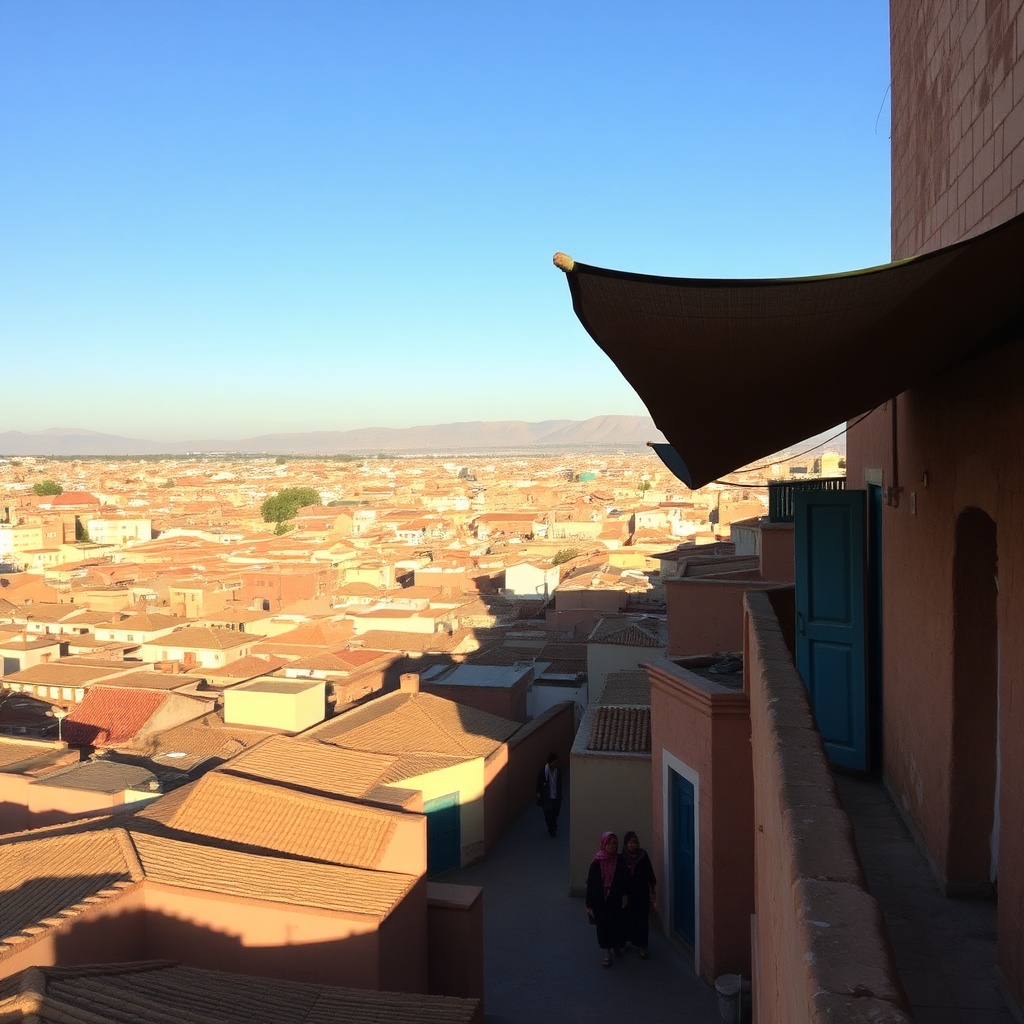
A serene overview of Fez’s old city during the ideal travel window, with soft lighting and pleasant atmosphere.
The definitive answer: the best time to visit Fez is the shoulder seasons — mid-April through May and mid-September through October. These windows deliver the most comfortable temperatures (22–28°C daytime, 10–15°C nights), minimal rainfall (under 30mm per month), and manageable crowd levels.
Quick Answer: The optimal travel windows are mid-April through late May and mid-September through late October. Daytime highs stay between 22°C and 28°C, rainfall drops below 30mm monthly, and tourist crowds thin by roughly 40% compared to summer peaks. These are the only periods where you can explore the medina all day without heat exhaustion or rain gear.
Why These Windows Win
- Spring (April–May): Average high of 24°C, average low of 11°C, roughly 8–10 rainy days per month — ideal for exploring the medina’s 9,400 narrow lanes without heat exhaustion
- Autumn (September–October): Average high of 27°C cooling to 22°C by October, precipitation under 25mm, and post-summer tourist numbers dropping by roughly 30% compared to August
- Both windows avoid the Saharan sirocco winds that push July temperatures past 40°C
Definition: Shoulder season — the travel period between peak and off-peak seasons, offering moderate weather, lower prices, and fewer crowds. In Fez, the shoulder seasons are April–May and September–October.
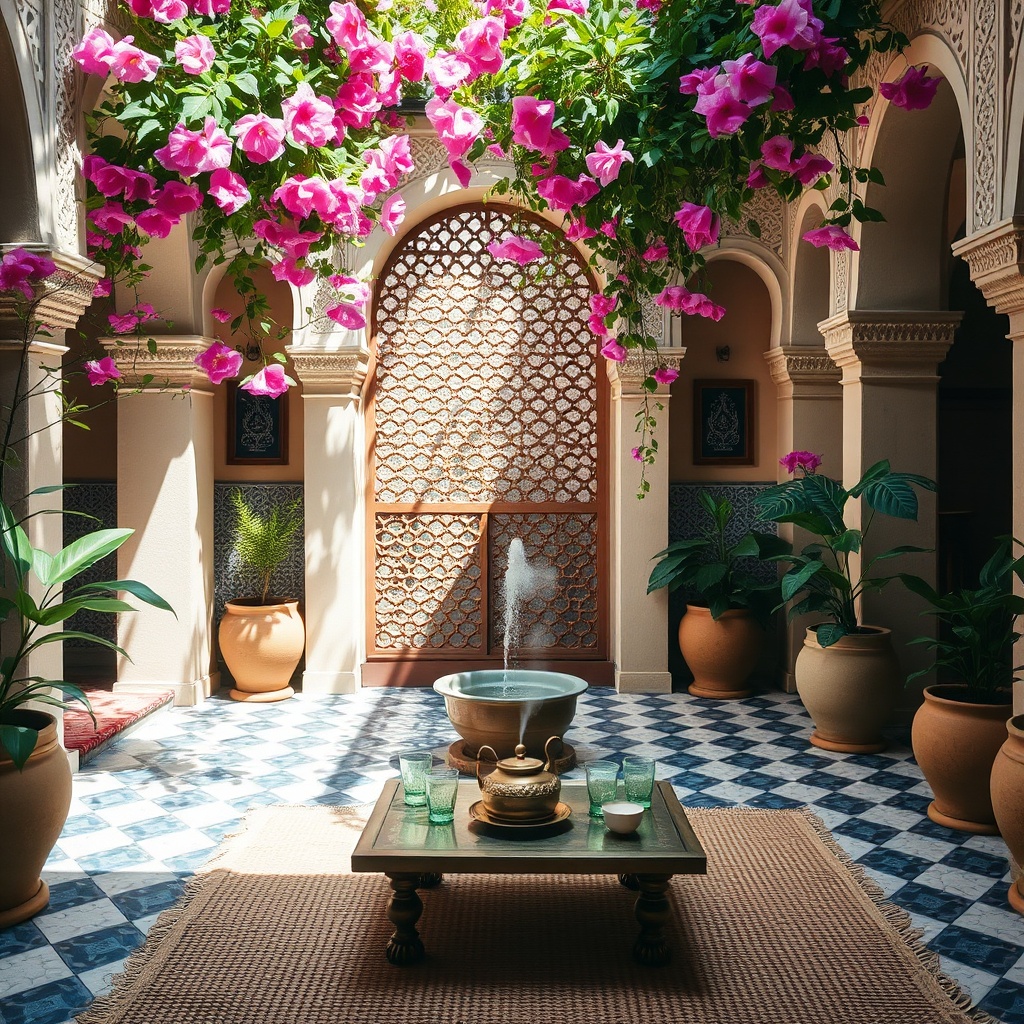
A cozy riad interior that highlights the comfortable weather and relaxed vibe during the recommended travel months.
The 3 Factors That Determine Your Ideal Dates
- Temperature tolerance — If you can’t handle heat above 30°C, avoid June through August entirely
- Budget flexibility — Hotel rates in April and October run 20–40% lower than peak summer and festival weeks
- Cultural priorities — If you want to attend the Sacred Music Festival, book June despite the heat; if you prefer quiet medinas, choose October
Spring in Fez: The Golden Window (March–May)
Spring is Fez at its most photogenic — the surrounding hills turn green, jacaranda trees bloom in the Ville Nouvelle, and the medina’s rooftop terraces become pleasant at midday. This is the single most recommended season by travel operators, with March serving as a transitional month and April–May delivering peak conditions.
Quick Answer: Spring in Fez runs March through May, with April and May delivering the year’s best sightseeing conditions. Daytime highs range from 19°C in March to 26°C in May, rainfall drops from 45mm to 25mm, and the hills around the city bloom green. Rooftop lunches and day trips to Volubilis become genuinely enjoyable.
Weather and What It Means for Sightseeing
- March: highs of 19°C, 45mm rainfall, 9 rainy days — bring a light rain jacket for the tanneries and souks
- April: highs of 22°C, 40mm rainfall, 8 rainy days — perfect for the 12th-century Bou Inania Madrasa and Al-Attarine Madrasa, both partially open-air
- May: highs of 26°C, 25mm rainfall, 5 rainy days — ideal for day trips to Volubilis (30km away) and the Middle Atlas cedar forests
- Fez receives an average of 450mm of annual rainfall, with 55% falling between November and February — spring’s precipitation is a fraction of winter’s
What to Prioritize in Spring
- Visit the Chouara Tannery in the morning (before 10am) when temperatures are still cool and workers are active
- Book a rooftop lunch at Café Clock or Riad Fes Mayfez — spring’s mild evenings allow for al fresco dining until 9pm
- Take the 45-minute drive to the Ifrane cedar forest, where spring wildflowers and Barbary macaques are at their most visible
Autumn in Fez: The Second Sweet Spot (September–November)
Autumn mirrors spring’s conditions but with a crucial advantage: the medina’s stone walls retain summer heat, making September evenings feel warmer than April’s. October is statistically the driest month of the year in Fez, with just 20mm of rainfall across 4 rainy days.
Quick Answer: Autumn in Fez runs September through November, with October standing out as the driest month of the entire year at just 20mm of rain. Daytime highs cool from 29°C in September to 18°C by November. The Fez Festival of Sufi Culture in October adds a cultural layer spring simply cannot match.
Weather and Crowd Dynamics
- September: highs of 29°C cooling to 25°C by month’s end, 15mm rainfall — summer crowds linger through the first two weeks, then thin dramatically
- October: highs of 23°C, 20mm rainfall, 4 rainy days — the sweet spot for crowd-free exploration; medina foot traffic drops by roughly 40% compared to August
- November: highs of 18°C, 40mm rainfall, 8 rainy days — the last viable window before winter; the Sufi Culture Festival typically runs in late October or early November
- October hotel occupancy averages 62% versus 88% in August — meaning better room rates and less queueing at the Dar Batha Museum and Nejjarine Museum of Wooden Arts
Why Autumn Beats Spring for Some Travelers
- The Fez Festival of Sufi Culture (October) draws international scholars and musicians — a cultural experience spring cannot match
- Harvest season brings fresh dates, figs, and pomegranates to the medina’s produce markets at their cheapest prices
- Daylight hours are still long (11+ hours) for extended sightseeing, unlike winter’s 9.5-hour days
Summer vs. Winter: Surviving the Extremes
If your travel dates are fixed to June–August or December–February, you can still enjoy Fez — but you must adapt your itinerary. Summer in Fez is a test of heat endurance; winter is a test of packing strategy.
Quick Answer: Summer in Fez means 34–38°C highs and medina alleys that trap heat past 40°C; sightsee only from 7am–11am and after 5pm. Winter brings 14–16°C highs and 3–5°C nights, with December the wettest month at 70mm. Both seasons have advantages: summer offers the Sacred Music Festival, winter offers rock-bottom hotel rates.
Summer in Fez (June–August)
- Average highs: 34°C (June), 38°C (July), 37°C (August); occasional sirocco days push past 42°C
- Humidity stays under 30%, so shade provides genuine relief — but the medina’s narrow alleys block airflow, creating heat pockets
- Strategy: sightsee from 7am–11am, rest during peak heat (12pm–4pm), resume at 5pm; book riads with plunge pools or air conditioning — roughly 60% of mid-range riads have AC, but confirm before booking
- The Fez Festival of World Sacred Music (usually the second week of June) draws 100,000+ attendees, driving hotel prices up 50–70%
Definition: Sirocco — a hot, dry wind originating from the Sahara Desert that can push Fez’s summer temperatures past 42°C. Sirocco days feel like standing in front of a hairdryer; plan indoor activities when the forecast warns of one.
Winter in Fez (December–February)
- Average highs: 15°C (December), 14°C (January), 16°C (February); nighttime lows drop to 3–5°C
- Rainfall peaks: December averages 70mm across 10 rainy days — the wettest month of the year
- Strategy: pack thermal base layers, a fleece, and a waterproof shell; most riads lack central heating, relying on portable heaters and fireplaces — request a room with a fireplace or space heater
- Winter advantages: near-zero tourist crowds (occupancy drops below 40%), lowest hotel rates of the year, and clear sunny days between rain fronts that make the tanneries and medina walls glow
Comparison Table: Summer vs. Winter in Fez
| Factor | Summer (Jun–Aug) | Winter (Dec–Feb) |
|---|---|---|
| Avg. daytime high | 34–38°C | 14–16°C |
| Avg. nighttime low | 18–22°C | 3–5°C |
| Monthly rainfall | 5–10mm | 50–70mm |
| Rainy days per month | 1–2 | 8–10 |
| Hotel occupancy | 85–90% | 35–40% |
| Avg. mid-range room rate | $90–$120/night | $50–$70/night |
| Crowd level | Very high (June festival peak) | Very low |
| Best activity | Rooftop dinners at 9pm | Hammam sessions, mint tea in sunlit courtyards |
Festival Calendar and Cultural Events: Timing Your Visit Around Fez’s Highlights
Fez’s calendar is punctuated by internationally renowned festivals that can transform — or disrupt — your trip. Understanding these events helps you either plan around them or deliberately attend them.
Quick Answer: Fez hosts three major annual festivals: the Fez Festival of World Sacred Music (June, 9 days), the Fez Festival of Sufi Culture (October, 7 days), and the Fez International Festival of Andalusian Music (September, 5 days). Festival weeks drive hotel prices up 50–70%, so book 4–6 months ahead if you plan to attend.
The Three Major Annual Events
- Fez Festival of World Sacred Music (June, 9 days): Held in venues like the Bab Makina and Batha Museum gardens; tickets range from $20–$80 per concert; book accommodations 3–4 months in advance
- Fez Festival of Sufi Culture (October, 7 days): Smaller and more intimate, focused on Sufi poetry, music, and philosophy; tickets from $15–$50
- Fez International Festival of the Andalusian Music (September, 5 days): Celebrates Hispano-Moorish musical heritage in the Dar Batha and medina palaces
Ramadan: A Different Kind of Experience
- Ramadan dates shift annually (in 2026, it falls approximately from February 17 to March 18)
- During Ramadan: daytime restaurants and cafes close, the tanneries operate on reduced hours, and alcohol service stops in most venues
- The trade-off: nightly iftar feasts in riads, lantern-lit medina evenings, and a deeply spiritual atmosphere
- If you travel during Ramadan, plan for a 7pm dinner rhythm and carry snacks for daytime hours
5 Steps to Choose Your Ideal Travel Dates
- Define your non-negotiables — list the festivals, activities, or weather conditions you refuse to miss
- Check the festival calendar — note if Ramadan, Sacred Music, or Sufi Culture dates overlap your planned window
- Check hotel availability and rates — use booking platforms to compare prices across your candidate windows; festival weeks can cost 50–70% more
- Review historical weather data — verify average highs, rainfall, and daylight hours for your chosen months using climate databases like Climate-Data.org
- Book 8–12 weeks in advance for shoulder-season travel (April–May, September–October) and 4–6 months in advance for festival weeks
Month-by-Month Quick Reference: Fez at a Glance
A rapid-fire reference for travelers who want the bottom line on each month without reading the full breakdown.
Quick Answer: Fez’s climate swings from 3°C winter nights to 38°C summer highs. The sweet spots are April (22°C highs, 40mm rain), May (26°C, 25mm), and October (23°C, 20mm — the driest month). July is the hottest at 38°C; December is the wettest at 70mm. Plan around these extremes and you’ll nail your trip.
The Monthly Breakdown
- January: Coldest month; highs of 14°C, lows of 3°C; 65mm rain; lowest hotel rates of the year
- February: Still cold; highs of 15°C; 55mm rain; Ramadan may fall here in 2026
- March: Transitional; highs of 19°C; 45mm rain; early spring flowers begin
- April: First golden window; highs of 22°C; 40mm rain; ideal for medina walking tours
- May: Peak spring; highs of 26°C; 25mm rain; perfect for day trips to Volubilis and Ifrane
- June: Heat arrives; highs of 34°C; Sacred Music Festival; book early
- July: Hottest month; highs of 38°C; minimal rain; sirocco wind risk
- August: Still extreme; highs of 37°C; European summer crowds peak
- September: Cooling begins; highs of 29°C dropping to 25°C; Andalusian Music Festival
- October: Second golden window; highs of 23°C; driest month (20mm); Sufi Culture Festival
- November: Late autumn; highs of 18°C; 40mm rain; last comfortable window before winter
- December: Winter returns; highs of 15°C; 70mm rain; festive medina lights
A Note on Daylight Hours
- Summer solstice (June): 14.5 hours of daylight — maximum sightseeing time
- Winter solstice (December): 9.7 hours of daylight — plan indoor activities for after 5pm
- Fez sits at 34.03°N latitude, giving it a daylight variation of nearly 5 hours across the year — the single most underestimated factor in trip planning
Conclusion
The decision framework is simple: April–May and September–October are the unequivocal best time to visit Fez, with October edging out April for the driest conditions. Summer suits festival-goers who can tolerate heat; winter suits budget travelers who pack smartly. Whatever you choose, Fez’s 1,200-year-old medina rewards patience and preparation. Book your dates around the weather first, the festivals second, and your budget third. Start by checking the 2026 festival calendar and locking in your shoulder-season flights — the tanneries, madrasas, and rooftop terraces are waiting.
FAQ### What is the absolute best month to visit Fez?
October is statistically the best single month: it combines the second-warmest shoulder-season temperatures (23°C highs), the lowest rainfall of any month (20mm), and post-summer crowd thinning. Late April is a close second, offering spring greenery and slightly cooler days.
Is Fez too hot in summer?
For most travelers, yes. July averages 38°C highs, and the medina’s narrow, stone-walled alleys trap heat, pushing perceived temperatures above 40°C. If you visit in summer, sightsee only between 7am–11am and 5pm–9pm, and book a riad with air conditioning.
Does it rain a lot in Fez in winter?
Fez receives about 55% of its annual rainfall (roughly 250mm) between November and February. December is the wettest month with 70mm across 10 rainy days. However, rain typically falls in short bursts, and sunny days between fronts are common.
Is Fez worth visiting during Ramadan?
Yes, if you understand the trade-offs. Daytime restaurants and cafes
