The best souvenirs in Fez Morocco are handcrafted leather goods, traditional ceramics, and intricate textiles that represent centuries of artisanal heritage. You should prioritize purchasing items directly from cooperative workshops in the medina to ensure authenticity and support local craftspeople. These tangible pieces of culture offer a durable connection to the city’s rich history and artistic traditions.
Introduction
Wandering through the ancient streets of the Fez medina offers an immersive journey into the heart of Moroccan craftsmanship. The sensory overload of the tanneries, the vibrant hues of dyed yarns, and the intricate calligraphy adorning storefronts make shopping here a unique cultural experience. Souvenirs from this city are not merely objects; they are the result of generational skills passed down through families since the 9th century. Finding the best souvenirs in Fez Morocco requires looking past mass-produced trinkets to identify high-quality, authentic pieces. This guide provides actionable insights on what to buy, where to find it, and how to ensure your treasures arrive home safely.
Key Takeaways
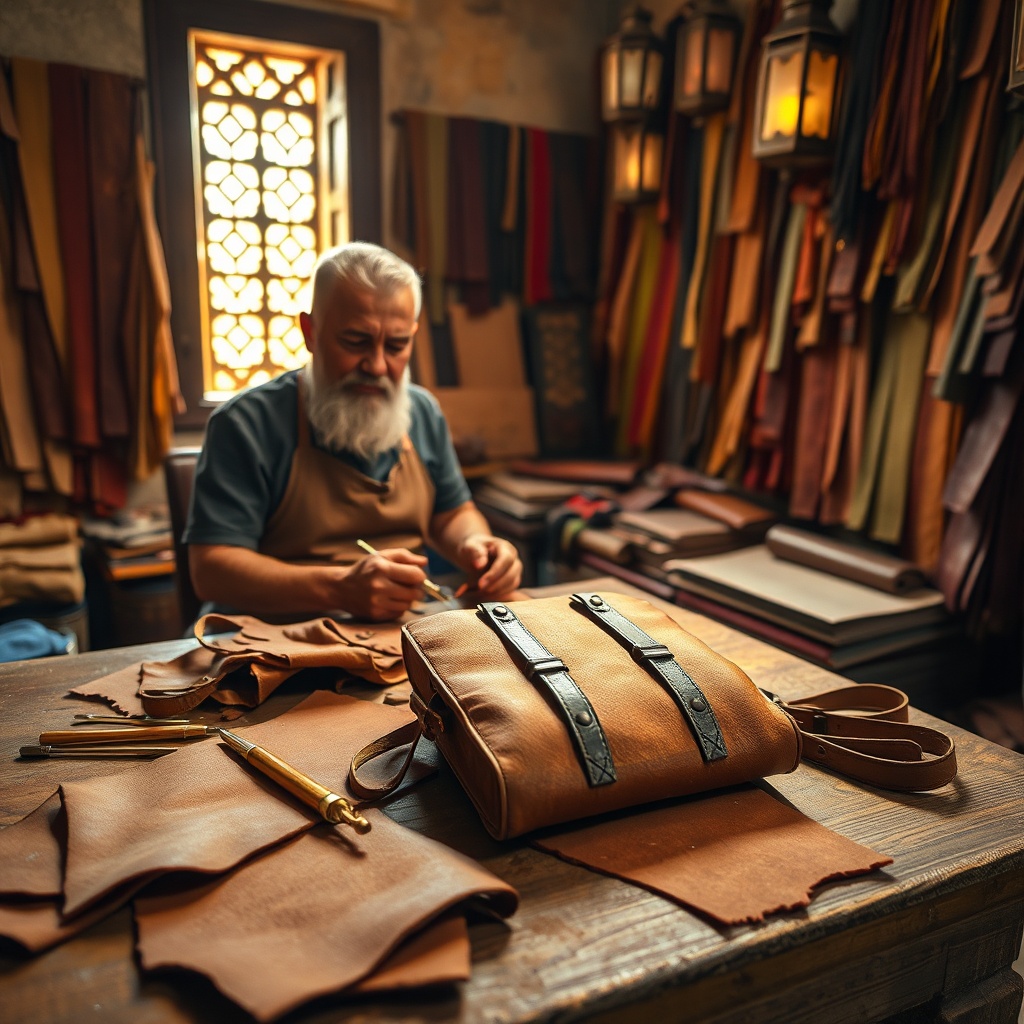
A skilled craftsman creates a traditional leather bag, highlighting the authentic leather souvenirs of Fez.
- Fez offers a distinct mix of handcrafted leather, ceramics, and textiles that reflect centuries‑old traditions.
- Buying directly from artisan workshops guarantees authenticity and supports the local economy.
- Distinguish between budget‑friendly street finds and high‑end boutique pieces to match any travel budget.
- Understanding the cultural symbolism behind each item enhances its sentimental value.
- Proper packing techniques keep delicate Moroccan souvenirs intact during the journey home.
Top 10 Must‑Buy Souvenirs in Fez – The Definitive Answer
Identifying the best souvenirs in Fez Morocco starts with recognizing items unique to this specific region, such as the famous leather from the Chouara Tannery and the distinct geometric patterns of Fassi pottery. Travelers often seek out a Fez souvenir guide to navigate the overwhelming options, focusing instead on quality and origin. Whether you are looking for handmade Fez gifts or practical keepsakes, the following list highlights the top items that offer the best value and cultural significance.
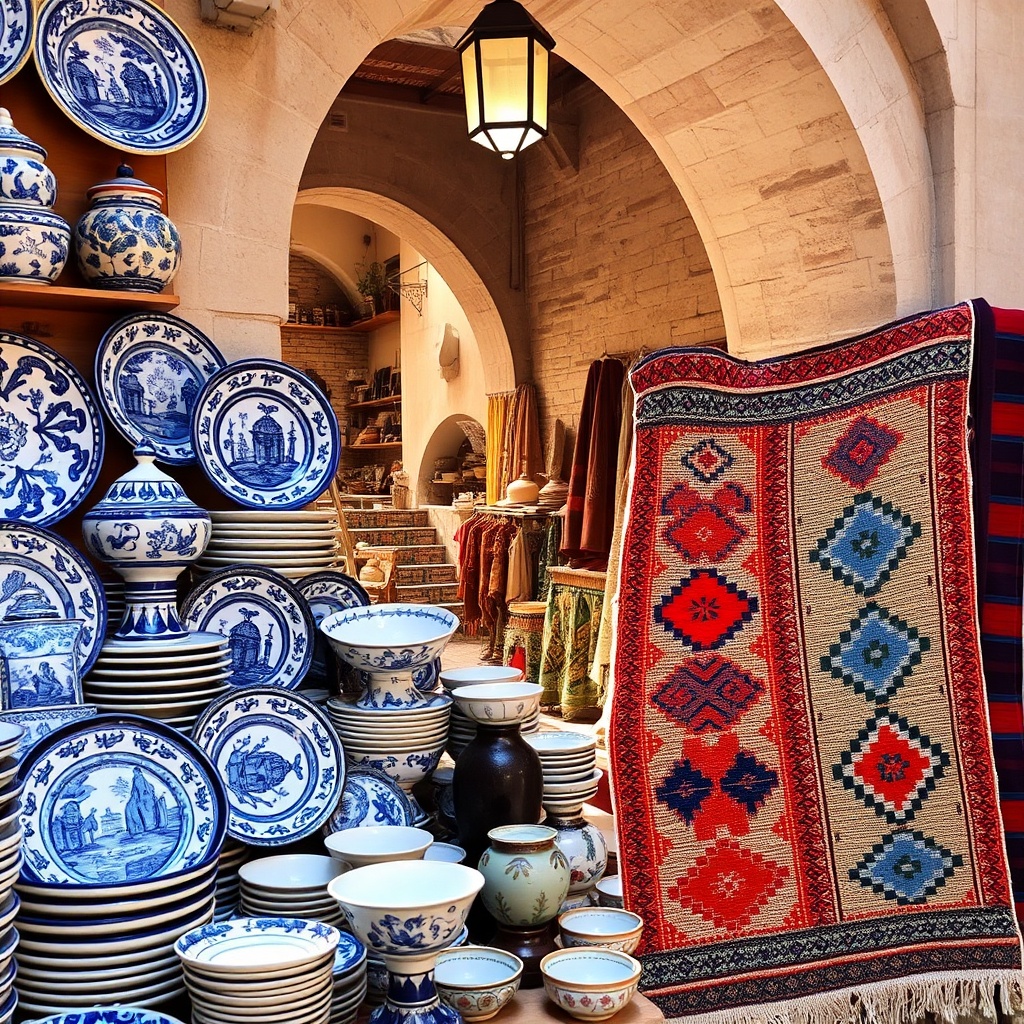
A market stall showcases traditional Fez ceramics and textiles, perfect souvenir options for travelers.
1. Hand‑stitched Fez Leather Goods
The leather industry in Fez is legendary, utilizing ancient vegetable tanning methods that produce durable, aromatic goods. Moroccan leather handbags and the iconic yellow slippers known as babouches are top choices for visitors. Look for items with tight, even stitching and a rich, earthy scent that indicates high-quality vegetable tanning rather than chemical processing.
Quick Tip: Genuine hand-tanned leather often has minor imperfections and a distinct smell of pigeon droppings and natural dyes used in the tanning pits.
2. Traditional Blue‑and‑White Ceramics
Hand-painted Fez pottery is instantly recognizable by its intricate geometric patterns and distinct cobalt blue and white color palette. These pieces are often produced in specialized districts like Ain Nokbi, where artisans shape and paint each item by hand.
3. Vibrant Zellige Tile Pieces
Fez ceramic tile designs are famous for their complexity, typically crafted into small mosaic coasters, trays, or table tops. These zellige masterpieces require immense skill, as artisans chip tiny geometric shapes from glazed terracotta tiles to create mesmerizing star patterns.
4. Hand‑woven Berber Textiles
Traditional Berber rugs Fez and textiles differ from the urban styles found elsewhere in Morocco. You will find heavy wool blankets and kilims featuring bold, abstract symbols that represent fertility, protection, and nature.
5. Aromatic Moroccan Spices in Hand‑Carved Boxes
Purchasing local spice blends Fez allows you to bring the flavors of Moroccan cuisine home. Ras el Hanout, a complex spice mix containing up to 30 spices, is best stored in beautiful hand-carved thuja wood boxes to preserve its aroma.
6. Silver‑inlaid Lanterns
Lighting plays a crucial role in Moroccan ambiance, and Brass lanterns Fez souk vendors offer stunning examples of metalwork. These lanterns feature intricate filigree patterns that cast beautiful shadows when lit, often inlaid with colored glass for a warm glow.
7. Natural Olive‑Oil Soap Bars
While Argan oil products Fez are popular, the city is also known for its olive-oil soap rich in Vitamin E. These dense, green or black blocks are excellent for the skin and often packaged with natural ingredients like lavender or eucalyptus.
8. Hand‑carved Wooden Qur’ans and Calligraphy Art
Religious art is deeply respected in Fez. You can find beautifully carved wooden boxes or panels featuring Arabic calligraphy, often containing verses from poetry or blessings, making for sophisticated and meaningful decor.
9. Fez‑Made Tea Sets
Moroccan tea culture is central to social life, and Authentic Moroccan tea sets are prized possessions. A typical set includes a large engraved teapot and small glasses, often decorated with silver or gold filigree.
10. Antique‑style Brass Tagine Lids
While functional clay tagines are common, the decorative brass versions are purely ornamental. These heavy, engraved lids serve as stunning serving platters or wall art, showcasing the metalworker’s skill.
Quick Answer
The top three souvenirs that offer the best balance of authenticity and utility are vegetable-tanned leather babouches, blue-and-white ceramic serving dishes, and small zellige mosaic tables. These items are distinct to Fez, readily packable, and serve as daily reminders of your trip.
Artisan Workshops You Can Visit to Buy Directly
Visiting Artisan workshops in Fez transforms a simple shopping trip into an educational experience. Instead of buying from middlemen in the souks, heading to the source ensures you get the best price and genuine craftsmanship. The Fez crafts workshops are often tucked away in quiet corners of the medina, where the sound of hammers and chisles guides you in.
Leather Tanning Studios in the Old Medina
The Chouara Tannery is the most famous, but smaller surrounding studios offer a more intimate view. Here, you can watch the process of scraping, dyeing, and softening hides. To buy directly, ask your guide to introduce you to the shop owners attached to the tanneries who sell the finished Moroccan leather handbags.
Ceramic Production Houses Near the Al‑Attarine Square
Near the Al-Attarine Madrasa, you will find showrooms connected to the kilns of Ain Nokbi. Artisans here are usually happy to demonstrate the painting process. Watching a painter execute a flawless geometric pattern freehand adds immense value to your purchase of Hand-painted Fez pottery.
Textile Cooperatives in the Mellah District
The Mellah, or Jewish quarter, is home to several weaving cooperatives. Here, women operate looms to create Traditional Berber rugs Fez and scarves. Visitors can sit with the weavers, learn about the meaning of specific patterns, and even commission custom sizes to ensure a perfect fit for their home.
Definition: Cooperative
A cooperative is a business organization owned and operated by a group of individuals for their mutual benefit. In Fez, artisan cooperatives allow craftspeople to pool resources, share profits, and sell directly to tourists without high-pressure sales tactics common in the main souks.
Budget‑Friendly Finds vs. Luxury Treasures
Navigating the financial aspect of shopping requires distinguishing between mass-produced items and investment pieces. Finding best souvenirs in Fez Morocco does not always mean spending a fortune; it means understanding the value of the item. The market offers a spectrum from affordable Fez souvenirs to high-end collector’s items.
Street‑Market Bargains on Souk el‑Henna
For travelers on a budget, Souk el-Henna is the place for trinkets and small gifts. You can find keychains, small ceramic bowls, and magnets for under 100 Dirhams. Negotiation is expected here. Always counter-offer at about 50% of the initial price and work your way up from there.
High‑End Boutique Selections on Rue Talaa Kebira
Rue Talaa Kebira features upscale galleries and fixed-price stores. Luxury Moroccan gifts like large silk carpets, intricate brass chandeliers, and museum-quality ceramics are found here. These pieces often come with certificates of authenticity and export permits, justifying the higher price point.
Balancing Value: When to Splurge and When to Save
Splurge on items that are difficult to find elsewhere, such as a bespoke leather bag or a large, hand-knotted rug. Save on decorative items like spices, small ceramics, and textiles that are widely produced. If you are buying directly from artisans, you are already getting a fair price, so aggressive bargaining is less appropriate than in retail souks.
Quick Answer
Expect to pay between 50-200 MAD for small ceramics and spices, 500-1500 MAD for quality leather bags or medium-sized rugs, and 5000+ MAD for large antique carpets or intricate furniture. Always check the quality of stitching and weave before paying the higher price.
Cultural Significance Behind Each Souvenir
Understanding the story behind your purchase elevates it from a mere object to a piece of living history. The best souvenirs in Fez Morocco are steeped in the symbolism of the Amazigh (Berber) and Arab cultures. Recognizing the Moroccan souvenir meaning adds a layer of depth to your collection.
Symbolism of Fez Ceramics in Moroccan Daily Life
The geometric patterns in Fez ceramic tile designs are not just decorative; they represent the infinite nature of God in Islamic art. In daily life, serving food on these platters is a sign of hospitality and generosity, central tenets of Moroccan culture.
Meaning of Traditional Textiles in Berber Heritage
Traditional Berber rugs Fez often tell a story. The colors used have specific meanings: red symbolizes strength and protection, blue represents wisdom, and yellow or orange signifies the desert and endurance. The motifs can indicate the tribe, the weaver’s marital status, or wishes for fertility.
History of Fez Leather Goods and Their Role in Trade Routes
Fez was once a pivotal stop on the trans-Saharan trade routes. Leather goods were highly valued currency and trade items. Owning a piece of Fez leather connects you to this history of commerce and craftsmanship that has sustained the city for over a thousand years.
Definition: Amazigh
The Amazigh, also known as Berbers, are the indigenous ethnic group of North Africa. Their cultural influence is profound in Fez, particularly in textile designs, jewelry motifs, and certain weaving techniques that predate the Arab conquest.
How to Pack and Preserve Your Fez Souvenirs for Travel
Getting your items home is the final challenge. Souvenir packing tips are essential because Moroccan crafts can be fragile or oddly shaped. To preserve Moroccan gifts, you must plan your luggage strategy before you start shopping.
Protecting Delicate Ceramics and Zellige Tiles
For ceramics and tiles, bubble wrap is your best friend. Wrap each item individually, paying extra attention to corners and spouts. Place them in the center of your suitcase, surrounded by soft clothing like socks or scarves. If you are buying a large Hand-painted Fez pottery platter, consider shipping it via a specialized courier in the medina rather than checking it in luggage.
Caring for Leather and Textile Items on the Road
Leather items should be stuffed with tissue paper to retain their shape. Keep them away from direct sunlight and moisture during travel. Argan oil products Fez and liquids must be sealed in plastic bags to prevent leaks. Textiles can be rolled rather than folded to save space and reduce deep creases.
Quick Answer
Always carry a roll of duct tape and a large garbage bag in your day pack. You can use these to improvised wrap fragile purchases or create a waterproof barrier for spills. For expensive rugs, many shops offer vacuum-sealing services, which reduce bulk by up to 80%.
Frequently Asked Questions (Featured Snippet Targets)
1. What are the most authentic souvenirs to bring home from Fez? The most authentic souvenirs are those crafted using traditional methods: vegetable-tanned leather from the Chouara Tannery, hand-chiseled zellige mosaics, and hand-woven Berber textiles from the Mellah district cooperatives.
2. Where can I buy handmade leather products directly from artisans in Fez? You can buy directly from artisans by visiting the leather shops surrounding the Chouara Tannery or seeking out smaller tanneries in the Sidi Ahmed Ben Ahmed district where the leather is actually processed.
3. How much should I expect to pay for a genuine Fez ceramic plate? A small, hand-painted ceramic plate typically costs between 80 and 150 MAD, while a large, high-quality serving platter with intricate geometric patterns can range from 300 to 600 MAD depending on the artist’s reputation.
4. What is the best way to ship fragile Moroccan souvenirs internationally? The best way is to use DHL or FedEx offices located within the medina, which many artisan shops have partnerships with. They professionally wrap and crate fragile items like ceramics or tagines, ensuring they are insured against breakage during transit.
Conclusion
Exploring the souks and workshops of Fez is an adventure that engages all the senses. The best souvenirs in Fez Morocco are not just commodities but are emblematic of a living history that continues to thrive in the hands of skilled artisans. By prioritizing direct purchases, understanding the cultural context of your finds, and employing smart packing strategies, you ensure that the items you bring home serve as lasting memories of your journey. Whether you choose a rugged leather bag, a delicate ceramic plate, or a vibrant rug, these treasures will infuse your home with the spirit of Morocco for years to come.
